
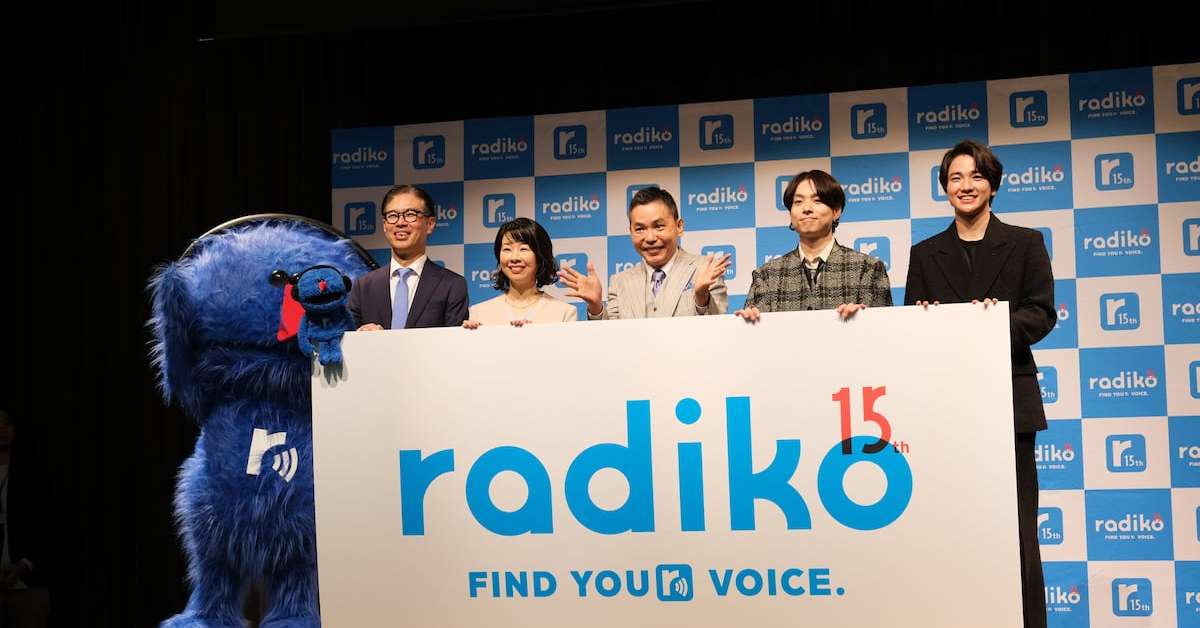
Radiko Turns 15: Dive into Japan’s Radio Revolution
If you’ve ever tuned into Japanese media or dreamed of catching the latest celebrity gossip straight from Tokyo, you’re in for a treat. Back in December 2025, a quiet giant in audio entertainment hit a major milestone: ラジコ (rajiko), Japan’s trailblazing radio streaming service, celebrated its 15th anniversary. What began as a simple way to bring traditional radio online has reshaped how millions of Japanese people—and learners like you—connect with stories, music, and culture. Let’s explore how ラジコ (rajiko) became a cultural force and why it’s a goldmine for learning authentic Japanese.
The Rise of Radiko: From Radio to Digital Powerhouse
Imagine being able to listen to your favorite radio show anytime, anywhere, without a clunky receiver. That’s the magic ラジコ (rajiko) introduced when it launched in 2010. By bringing radio to the スマートフォン (sumātofon, smartphone) and computers, it freed listeners from regional and time constraints. Struggling radio stations found a lifeline as radiko rolled out features like エリアフリー (eria furī, Area Free) in 2014, letting you hear broadcasts from any part of Japan, and タイムフリー (taimu furī, Time Free) in 2016, which lets you catch up on shows at your own pace—like a podcast before podcasts were everywhere.
Today, radiko isn’t just about live radio. Since 2024, it’s embraced ポッドキャスト (poddo kyasto, podcast) formats with recordings that don’t expire, plus original content like live streams of high school baseball under the name オーディオ高校野球 (audio kōkō yakyū, Audio High School Baseball). With 8.5 million monthly active users (and a goal of 10 million), radiko is a プラットフォーム (purattofōmu, platform) that’s not just saving radio—it’s reinventing it for a digital, global audience of リスナー (risunā, listeners).
Radio’s Intimate Charm in Japanese Culture
At its 15th-anniversary event, comedian 太田光 (Ōta Hikari) nailed why radio still matters in Japan: it’s raw and personal. Unlike polished YouTube videos, radio hosts—known as パーソナリティー (pāsonaritī, personality)—reveal their true selves through hours of unscripted talk. For you as a learner, this is pure gold. Tuning in lets you hear natural Japanese, full of slang, humor, and emotion, in a way textbooks can’t replicate. It’s like eavesdropping on a conversation at a local café.
Experts like Professor Miura Fumiō of Kansai University point out that radiko’s success, especially among younger listeners, shows radio is 復活しつつある (fukkatsu shitsutsu aru, in the process of reviving). Originally meant to stop listener decline, it’s now a gateway to new music and cultural trends, often sparking online buzz that draws even more people in via タイムフリー (taimu furī, Time Free).
Tech Meets Everyday Life
Radiko’s innovation goes beyond content. Using location data, it customizes ads based on where you are—think hearing about a festival in 六本木 (Roppongi), a hip Tokyo area, as you stroll nearby. Recent integrations with car systems like Apple CarPlay also hint at future possibilities, like ads tied to your navigation destination. This blend of tech and local flavor is so Japanese—taking global ideas and making them feel personal. For learners, it’s a reminder that language and culture are often shaped 技術によって (gijutsu ni yotte, by means of technology).
Cultural Context: Why Radio Resonates in Japan
Radio in Japan isn’t just background noise; it’s a companion. Whether it’s students cramming late at night or commuters on packed trains, radio builds a sense of connection. Unlike some Western stations that stick to music, Japanese radio thrives on talk shows with celebrities and comedians, making you feel like part of the conversation. Events like the high school baseball tournament at 甲子園 (Kōshien) are national obsessions, uniting communities with stories of grit and triumph—radiko’s live coverage lets you experience this passion firsthand. As a learner, diving into these broadcasts exposes you to regional dialects, casual banter, and cultural moments that define Japanese life.
Learn Japanese from This Article
Ready to pick up some authentic Japanese from the world of radiko? Here’s a breakdown of key vocabulary and grammar to help you sound like a native while exploring this cultural gem.
Key Vocabulary
| Japanese | Romaji | Meaning |
|---|---|---|
| ラジコ | rajiko | Radiko (radio streaming service) |
| スマートフォン | sumātofon | smartphone |
| ポッドキャスト | poddo kyasto | podcast |
| エリアフリー | eria furī | Area Free (no regional limits) |
| タイムフリー | taimu furī | Time Free (flexible listening) |
| リスナー | risunā | listener |
| プラットフォーム | purattofōmu | platform |
Grammar Spotlight
Let’s focus on two useful patterns that popped up in radiko’s story, helping you express ideas like a native speaker.
〜によって (ni yotte): By Means of, Due To
This pattern shows how something happens or is influenced by a specific factor. It’s often used in formal or explanatory contexts, like discussing technology or reasons.
- Structure: [Noun] + によって + [Result/Effect]
- Example 1: 技術によって、生活が便利になった。 (Gijutsu ni yotte, seikatsu ga benri ni natta.) - Life has become more convenient by means of technology.
- Example 2: ラジコによって、地方の放送も聞けるようになった。 (Rajiko ni yotte, chihō no hōsō mo kikeru yō ni natta.) - Thanks to Radiko, we can now listen to regional broadcasts.
- When to Use: Perfect for explaining causes or tools that enable something, like radiko’s impact on radio access.
〜つつある (tsutsu aru): Is in the Process of, Is Becoming
This expresses a gradual change or ongoing transition, often used for trends or evolving situations.
- Structure: [Verb stem] + つつある
- Example 1: ラジオは復活しつつある。 (Rajio wa fukkatsu shitsutsu aru.) - Radio is in the process of reviving.
- Example 2: 若いリスナーが増えつつある。 (Wakai risunā ga fuetsutsu aru.) - Young listeners are gradually increasing.
- When to Use: Great for describing ongoing cultural or social shifts, like radiko’s growing popularity.
Useful Expression
Here’s a phrase you’ll hear often in Japanese media discussions:
- 聞く価値がある (kiku kachi ga aru) - Worth listening to
- Example: この番組は聞く価値があるよ。 (Kono bangumi wa kiku kachi ga aru yo.) - This program is worth listening to.
Continue Learning
Want to build on what you’ve learned from radiko’s story? Check out these lessons to deepen your Japanese skills:
- Time and Dates: Tense-Free Expressions: Ready to dive deeper? Our lesson on Time and Dates: Tense-Free Expressions will help you master these concepts.
- Ni, De, and E: Mapping Directions and Locations: To understand more about に, explore our Ni, De, and E: Mapping Directions and Locations lesson.
- Katakana Essentials: Adapting Global Words to Japanese: Working on your reading skills? Our Katakana Essentials: Adapting Global Words to Japanese lesson is a great next step.
これからもよろしくお願いします。 Kore kara mo yoroshiku onegaishimasu.