
Hi-STANDARD Rocks a Japanese Bathhouse in “A Ha Ha” Music Video
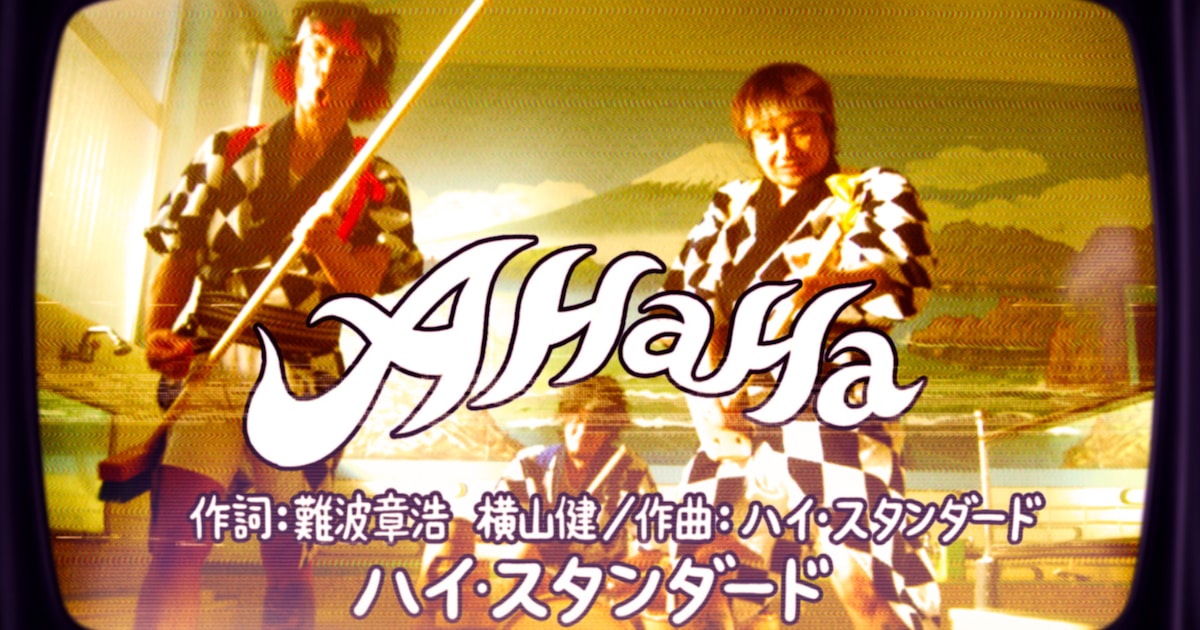
Imagine a punk rock band shredding guitars and belting out lyrics in a steamy, tiled Japanese bathhouse straight out of a bygone era. If that sounds wild, then you’re in for a treat with the latest music video from Hi-STANDARD (Hai-Sutandādo), Japan’s legendary punk rock trio. Their new track, A Ha Ha (A Ha Ha), dropped on YouTube with a video that’s equal parts nostalgic, hilarious, and uniquely Japanese. For learners like you, this isn’t just a cool music video—it’s a cultural deep dive into Japan’s playful, retro-inspired pop culture. Let’s explore the video, the band’s legacy, and how you can learn authentic Japanese from this quirky masterpiece.
Hi-STANDARD’s Punk Energy Meets Retro Bathhouse Vibes
On January 10, 2026, Hi-STANDARD released the music video for A Ha Ha, a standout track from their November 2025 mini-album Screaming Newborn Baby (Sukurīmingu Nyūbōn Beibī). What makes this video unforgettable is its setting: a traditional Japanese 銭湯 (sentō), or public bathhouse. Directed by Ryo Fujii, the video bursts with 昭和感 (Shōwa-kan), a nostalgic vibe tied to the Showa era (1926-1989), and something the band calls ドリフ感 (Dorifu-kan), a humorous style inspired by the iconic Japanese comedy troupe ザ・ドリフターズ (Za Dorifutāzu).
Lead vocalist and bassist Akihiro Namba shared that the song’s upbeat, life-affirming tone draws from the slapstick, meticulously crafted comedy of ザ・ドリフターズ, who dominated Japanese TV in the ‘70s and ‘80s. Director Fujii added that the video captures a retro ‘70s-‘80s aesthetic while highlighting the band’s enduring やんちゃ (yancha) spirit—think mischievous, rebellious energy that’s as cool now as it was decades ago. Even as they’ve aged, Fujii describes the band as the “awesome, rebellious older brothers” fans adore.
A Legacy of Punk and Resilience
If you’re new to Hi-STANDARD, know that they’re not just any band—they’re trailblazers of Japan’s punk rock scene. Formed in 1991, they skyrocketed to fame with early hits like LAST OF SUNNY DAY (1994) and major albums such as GROWING UP (1995) and ANGRY FIST (1997), even gaining traction overseas. Their self-organized festival, AIR JAM (Ea Jamu), launched in 1997, became a defining event for Japanese punk culture. Despite a hiatus in 2000, they’ve staged incredible comebacks, including AIR JAM 2011 for earthquake recovery and the 2017 album THE GIFT. After the heartbreaking loss of drummer Akira Tsuneoka in 2023, they’ve soldiered on with new drummer ZAX joining in 2025, embodying that raw 初期衝動 (shoki shōdō)—initial impulse or untamed energy—that defines their music.
Cultural Context: Bathhouses and Showa-Era Humor
To truly get this video, let’s unpack the cultural layers. First, the 銭湯 (sentō) isn’t just a random backdrop—it’s a piece of Japanese history. These public bathhouses were once vital community spaces, especially in cities where private baths were rare until the mid-20th century. Though less common now, they still carry a warm, nostalgic charm, making them the perfect stage for a video steeped in retro vibes.
Then there’s 昭和感 (Shōwa-kan), a term evoking the Showa era’s aesthetic—think analog gadgets, bustling markets, and a simpler, communal way of life. It’s a time often romanticized in Japanese media, and pairing it with ドリフ感 (Dorifu-kan)—humor inspired by the chaotic, slapstick style of ザ・ドリフターズ—creates a unique blend of old and new. For learners, this video shows how Japanese culture thrives on contrasts: punk rock in a traditional bathhouse, modern beats with vintage comedy. It’s a reminder that to understand Japan, you’ve got to embrace these delightful mash-ups.
Learn Japanese from This Article
Ready to pick up some authentic Japanese from this cultural gem? Let’s break down key vocabulary and grammar patterns inspired by Hi-STANDARD’s video and its retro charm. These are words and structures you’ll hear in everyday conversations or see in Japanese media, taught the way native speakers learn them.
Key Vocabulary
| Japanese | Romaji | Meaning |
|---|---|---|
| 銭湯 | sentō | public bathhouse |
| 昭和感 | Shōwa-kan | Showa era vibe/nostalgia (1926-1989) |
| ドリフ感 | Dorifu-kan | Drifters-like humor/style (referring to the comedy troupe ザ・ドリフターズ) |
| やんちゃ | yancha | mischievous, naughty, rebellious |
| 初期衝動 | shoki shōdō | initial impulse, raw energy |
| 肩の力 | kata no chikara | tension in shoulders (figuratively: stress or effort) |
These words capture the essence of the video’s vibe. For instance, if you want to describe someone with that rebellious punk energy, call them やんちゃ (yancha). Or if a retro aesthetic reminds you of old Japan, mention 昭和感 (Shōwa-kan).
Grammar Spotlight: 〜について and 〜たまま
Let’s look at two useful grammar patterns that can help you talk about cultural topics like this video or describe states of being, just as Japanese natives do.
〜について (ni tsuite) - About, Regarding
This pattern is used to discuss or ask about a specific topic. It’s like saying “about” or “regarding” in English, and it’s super common in conversations or writing.
- Structure: [Topic] + について + [Verb/Description]
- Example 1: 銭湯について話しましょう。 (Sentō ni tsuite hanashimashō.) - Let’s talk about public bathhouses.
- Example 2: 昭和感について知りたいです。 (Shōwa-kan ni tsuite shiritai desu.) - I want to know about Showa-era nostalgia.
- When to Use: Perfect for asking questions or diving into a subject, like discussing cultural elements in Hi-STANDARD’s video.
〜たまま (ta mama) - Remaining in a State, As Is
This pattern describes something left in a certain state after an action. It’s often used to show things unchanged or ongoing.
- Structure: [Verb in た-form] + まま + [Next Verb/Description]
- Example 1: ドアを開けたまま寝た。 (Doa o aketa mama neta.) - I slept with the door left open.
- Example 2: 肩の力を入れたまま歌った。 (Kata no chikara o ireta mama utatta.) - I sang while keeping tension in my shoulders (i.e., with effort).
- When to Use: Great for describing ongoing states, like leaving something as is or maintaining a feeling, which ties into the band’s enduring rebellious energy.
Useful Expression
Here’s a bonus phrase inspired by the band’s vibe: 肩の力を抜く (kata no chikara o nuku), which literally means “to remove tension from your shoulders” but translates to “relax” or “loosen up.” You might say, 肩の力を抜いてください。 (Kata no chikara o nuite kudasai.) - Please relax. It’s a natural way to encourage someone to let go of stress, much like the carefree humor in the video.
Continue Learning
Want to dive deeper into Japanese grammar and expressions? Check out these lessons to build on what you’ve learned here:
- Ni, De, and E: Mapping Directions and Locations: Curious about the Japanese used here? Our Ni, De, and E: Mapping Directions and Locations lesson covers this in depth.
- Time and Dates: Tense-Free Expressions: To understand more about time, explore our Time and Dates: Tense-Free Expressions lesson.
- Wa vs. Ga: Emphasizing Importance in Sentences: Want to learn more about は? Check out our lesson on Wa vs. Ga: Emphasizing Importance in Sentences.
Learning Japanese the way it’s taught in Japan means connecting language to culture, just like we’ve done with Hi-STANDARD’s video. Keep exploring, and you’ll find that every song, video, or story opens up a new piece of Japan to understand.
これからもよろしくお願いします。 Kore kara mo yoroshiku onegaishimasu.