
Winter Storms and Coming of Age: Japan’s January Challenges
If you’ve ever dreamed of experiencing Japan in winter, this weekend might paint a vivid picture—both of celebration and caution. As January 10th rolls around, Japan prepares for a long weekend leading up to 成人の日 (Seijin no Hi), or Coming of Age Day, on January 12th. But alongside the festivities, a severe weather alert is grabbing headlines with predictions of record-breaking snow and biting cold. For Japanese learners like you, this isn’t just news—it’s a window into how holidays, weather, and daily life intertwine in Japan. Let’s dive into what’s happening and pick up some authentic language along the way.
A Stormy Long Weekend Ahead
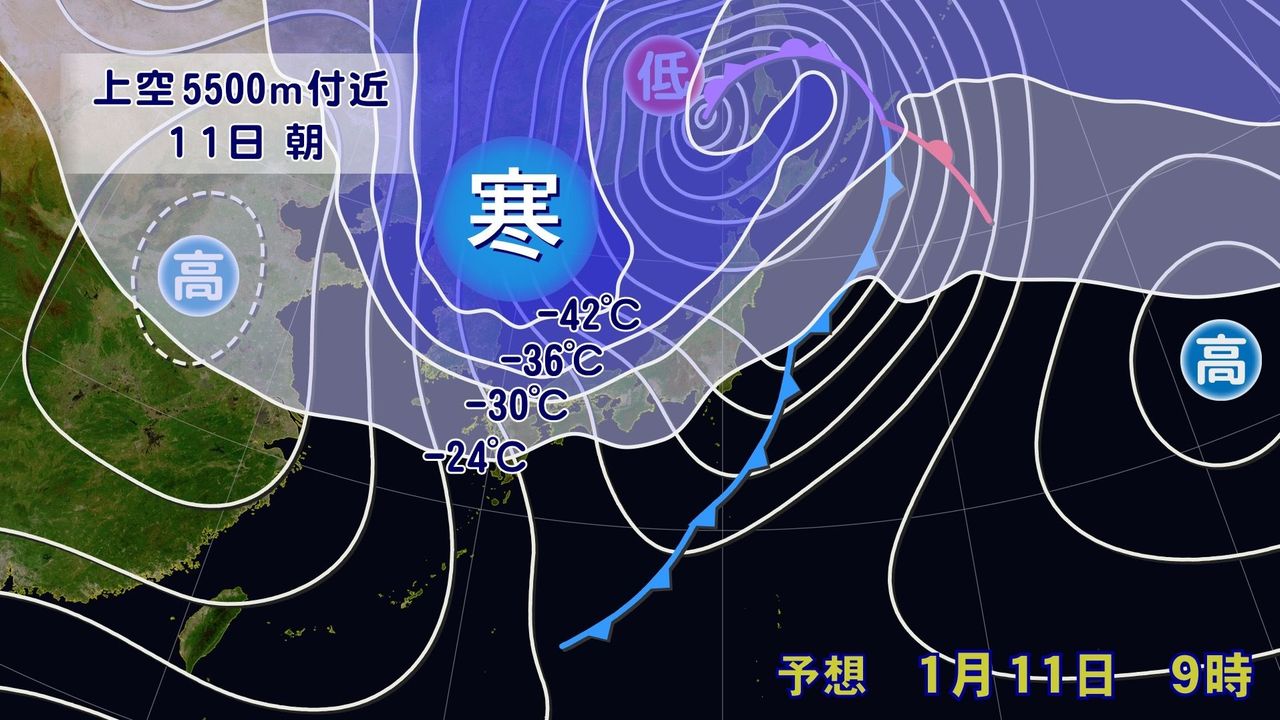
From January 10th to 12th, a powerful cold front—the strongest of the season—is expected to sweep across Japan. The worst is forecast for Sunday the 11th through Monday the 12th, especially in regions along the 日本海側 (Nihonkai-gawa), or Sea of Japan side. Weather experts are warning of 大雪 (daisetsu), meaning heavy snow, and 暴風 (bōfū), violent winds that could turn travel into a nightmare. In the Tohoku region, there’s even talk of ドカ雪 (doka-yuki), a term for sudden, overwhelming snowfall that can bury entire areas overnight. Authorities are urging everyone to stay on 警戒 (keikai), or high alert, to avoid snow-related disasters.
Beyond the snow, a wave of 寒気 (kanki), or cold air, will send temperatures plummeting. These rapid shifts mean paying close attention to 体調管理 (taichō kanri), or health management, is crucial. Whether you’re in Japan or just following along, this kind of weather news shows how quickly conditions can change, reminding us all to bundle up and stay prepared.
Cultural Context: Winter and Coming of Age in Japan
For many of us outside Japan, a three-day weekend might just mean extra Netflix time, but in Japan, this particular break is steeped in meaning thanks to 成人の日 (Seijin no Hi), Coming of Age Day. Celebrated on the second Monday of January, it honors young adults turning 20, the legal age of adulthood. You’ll see new adults dressed in stunning 着物 (kimono) attending ceremonies, reflecting on their new responsibilities. It’s one of the first long weekends of the year, often a time for family gatherings and community connection.
Winter weather, especially phenomena like 大雪 (daisetsu) and ドカ雪 (doka-yuki), also holds a special place in Japanese culture. In snowy regions like Tohoku, heavy snow isn’t just a nuisance—it’s a way of life. Over centuries, these areas have adapted with unique architecture, like steeply pitched roofs to prevent snow buildup, and tight-knit community practices to survive harsh winters. If you’ve ever wondered why weather forecasts are such a hot topic in Japan, it’s because nature’s power is deeply woven into daily conversations and planning this time of year.
Learn Japanese from This Article
Let’s turn this news into a learning opportunity. Here, you’ll find key vocabulary, grammar patterns, and expressions pulled straight from the context of winter weather and holidays in Japan. These are words and structures you’d hear on Japanese news or in everyday conversations this season.
Key Vocabulary
| Japanese | Romaji | Meaning |
|---|---|---|
| 大雪 | daisetsu | heavy snow |
| 暴風 | bōfū | violent wind, storm |
| 寒気 | kanki | cold air, chill |
| 成人の日 | Seijin no Hi | Coming of Age Day |
| ドカ雪 | doka-yuki | sudden heavy snowfall |
| 警戒 | keikai | caution, alertness |
| 体調管理 | taichō kanri | health management |
Grammar Spotlight: 〜おそれがある and 〜方がいい
〜おそれがある (osore ga aru) - "There is a risk/fear that..." This pattern is often used in formal or news contexts to express concern or possibility of something negative happening.
- Structure: [Verb (dictionary form)] + おそれがある
- Examples:
- 大雪になるおそれがあります。 (Daisetsu ni naru osore ga arimasu.) - There is a risk of heavy snow.
- 事故が起こるおそれがあります。 (Jiko ga okoru osore ga arimasu.) - There is a risk of an accident occurring.
- When to use: Perfect for warnings or cautious predictions, like in weather reports or safety announcements.
〜方がいい (hō ga ii) - "It’s better to..." This pattern offers advice or suggests a preferable action, often in contexts like health or safety.
- Structure: [Verb (ta-form)] + 方がいい
- Examples:
- 暖かくした方がいいです。 (Atatakaku shita hō ga ii desu.) - It’s better to dress warmly.
- 早く準備した方がいいです。 (Hayaku junbi shita hō ga ii desu.) - It’s better to prepare early.
- 体調管理に気をつけた方がいいです。 (Taichō kanri ni ki o tsuketa hō ga ii desu.) - It’s better to take care of your health.
- When to use: Great for giving friendly advice, especially in situations like preparing for bad weather.
Useful Expression
- 気をつけてください。 (Ki o tsukete kudasai.) - "Please be careful." You’ll hear this everywhere during warnings or when someone is concerned for your safety. It’s a polite way to urge caution, whether it’s about snow, health, or anything else.
Continue Learning
Want to build on what you’ve learned here? Check out these lessons to deepen your understanding of Japanese language and culture:
- Wa vs. Ga: Emphasizing Importance in Sentences: Ready to dive deeper? Our lesson on Wa vs. Ga: Emphasizing Importance in Sentences will help you master these concepts.
- Ni, De, and E: Mapping Directions and Locations: Want to learn more about に? Check out our lesson on Ni, De, and E: Mapping Directions and Locations.
- The Unique Sounds of Japanese: Retraining English Ears: Curious about the Japanese used here? Our The Unique Sounds of Japanese: Retraining English Ears lesson covers this in depth.
これからもよろしくお願いします。 Kore kara mo yoroshiku onegaishimasu.