
Unwrap Relaxation: Amazon Japan’s Bath Salt Lucky Bag Tradition
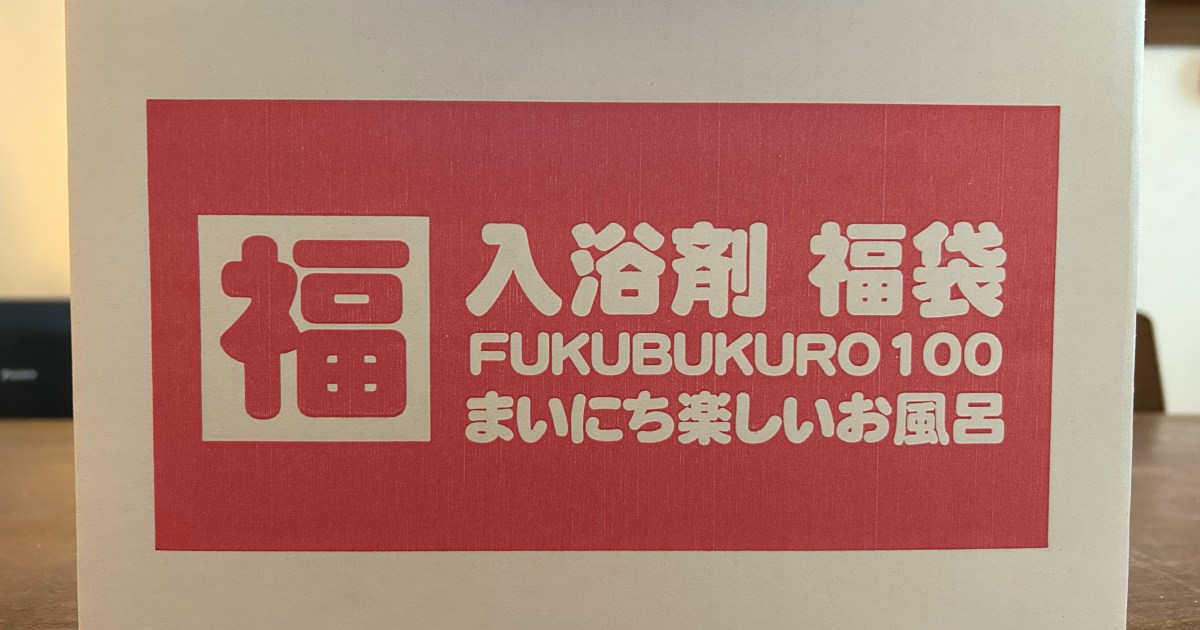
Imagine unboxing a small package from Amazon, only to discover it packed with 100 individual packets of bath salts, each one promising a moment of pure relaxation. If you’ve ever been curious about Japanese shopping traditions or the country’s deep love for a good soak, the annual 入浴剤 福袋 (nyuuyokuzai fukubukuro), or "bath salt lucky bag," is your perfect introduction. Priced at just 3,780 yen (about $25 USD as of late 2025), this quirky bundle isn’t just a deal—it’s a window into Japan’s unique blend of practicality and seasonal excitement. Let’s dive into what makes this product a beloved ritual for bath enthusiasts across Japan, and how you can learn authentic Japanese while exploring it.
What’s in the Amazon Bath Salt Fukubukuro?
Every year, Amazon Japan offers the 入浴剤 福袋 100個安心の日本製 (nyuuyokuzai fukubukuro hyaku-ko anshin no nihonsei), which translates to "Bath Salt Lucky Bag: 100 Pieces, Safe Made-in-Japan." True to its name, this bundle delivers 100 single-use packets of bath salts—enough for a different relaxing soak every few days throughout the year. While the price has seen a slight 変動 (hendou, fluctuation), rising from 3,658 yen in early 2025 to 3,780 yen by December 29, it remains a steal for anyone who identifies as an お風呂好き (ofuro suki, someone who loves baths). The box design stays consistent, and though the exact scents or types of salts might vary, the sheer volume ensures you’re set for months.
Unlike many seasonal 福袋 (fukubukuro, lucky bags) that pop up around New Year’s with mystery contents, this bath salt bundle is available year-round on Amazon Japan. Still, many fans—like the writer from Rocket News who buys it annually—make it a personal end-of-year tradition. They even admit to wondering if they’ll use all 100 packets before the next purchase, yet somehow, they always do. It’s a practical yet thrilling entry point if you’re curious about the 福袋 concept but hesitant to gamble on unknown items.
Cultural Context: Bathing and Lucky Bags in Japan
In Japan, bathing isn’t just about hygiene—it’s a cherished ritual of relaxation, deeply rooted in the culture of 温泉 (onsen, hot springs). Adding 入浴剤 (nyuuyokuzai, bath salts) to a home bath recreates that therapeutic experience, with carefully crafted scents and minerals to ease both body and mind. This explains why a box of 100 bath salts doesn’t seem excessive to many Japanese people; it’s a year’s worth of small, affordable indulgences. Knowing this, you can feel a sense of 安心 (anshin, peace of mind) when purchasing a product labeled 日本製 (nihonsei, made in Japan), as it guarantees quality and safety.
Then there’s the 福袋 tradition, a New Year’s phenomenon where stores offer "lucky bags" stuffed with undisclosed items at discounted prices. It’s a bit of a gamble—sometimes you hit the jackpot, other times you end up with odds and ends—but the mystery is part of the fun. While classic 福袋 often feature fashion or tech, practical bundles like this bath salt set show how the concept has evolved to include everyday items. It reflects Japan’s knack for merging tradition with modern convenience, and even touches on mindful 消費 (shouhi, consumption). For language learners, exploring products like these offers a glimpse into how cultural values shape Japanese consumerism, especially during festive seasons.
Learn Japanese from This Article
Ready to soak up some authentic Japanese while learning about this unique tradition? Here, we’ve pulled key vocabulary and grammar points straight from the context of the bath salt 福袋. These are words and structures you’ll encounter in real Japanese conversations and media, taught the way native speakers learn them.
Key Vocabulary
| Japanese | Romaji | Meaning |
|---|---|---|
| 入浴剤 | nyuuyokuzai | bath salts, bath additive |
| 福袋 | fukubukuro | lucky bag, mystery bag |
| 安心 | anshin | peace of mind, relief |
| 日本製 | nihonsei | made in Japan |
| 消費 | shouhi | consumption, use |
| 変動 | hendou | fluctuation, change |
| お風呂好き | ofuro suki | someone who loves baths |
Grammar Spotlight: 〜ている (Ongoing Action or State)
One common structure you’ll hear in Japanese is 〜ている (~te iru), used to describe ongoing actions or states. It’s similar to the English present continuous (“is doing”) but can also indicate a continuing state resulting from an action.
- Structure: Verb (て-form) + いる
Examples:
- 私は入浴剤を使っています。(Watashi wa nyuuyokuzai o tsukatte imasu.) - I am using bath salts.
- 彼はお風呂好きで、毎日入っています。(Kare wa ofuro suki de, mainichi haitte imasu.) - He loves baths and takes one every day.
- 価格が変動しています。(Kakaku ga hendou shite imasu.) - The price is fluctuating.
When to Use: Use 〜ている when describing something happening right now or a habitual action that’s ongoing. It’s a natural way to talk about routines like bathing or trends like price changes.
Grammar Spotlight: 〜けれども (Contrast or “However”)
Another useful expression is 〜けれども (~keredomo), which means “however” or “but” and is used to introduce a contrast. It’s a bit more formal than plain けど (kedo) and often appears in written or polite speech.
- Structure: Sentence/Clause + けれども + Contrasting Sentence
Examples:
- 福袋は安いですけれども、中身が分からないです。(Fukubukuro wa yasui desu keredomo, nakami ga wakaranai desu.) - Lucky bags are cheap, but you don’t know what’s inside.
- 入浴剤はたくさん買いましたけれども、全部使うか心配です。(Nyuuyokuzai wa takusan kaimashita keredomo, zenbu tsukau ka shinpai desu.) - I bought a lot of bath salts, but I’m worried if I’ll use them all.
When to Use: Use 〜けれども to connect two ideas that contrast, like expressing excitement for a deal but uncertainty about its value. It’s a great way to sound nuanced and natural in Japanese.
Continue Learning
Want to build on what you’ve learned here? Check out these lessons from "Japanese from Japan" to deepen your understanding of key grammar points:
- Masu Form: Mastering Polite Everyday Speech: Want to understand the verb forms used here? Check out Masu Form: Mastering Polite Everyday Speech.
- Wa vs. Ga: Emphasizing Importance in Sentences: To understand more about は, explore our Wa vs. Ga: Emphasizing Importance in Sentences lesson.
- Ni, De, and E: Mapping Directions and Locations: Ready to dive deeper? Our lesson on Ni, De, and E: Mapping Directions and Locations will help you master these concepts.
These resources will help you speak and understand Japanese the way it’s taught in Japan, grounding your learning in real-world contexts.
これからもよろしくお願いします。 Kore kara mo yoroshiku onegaishimasu.