
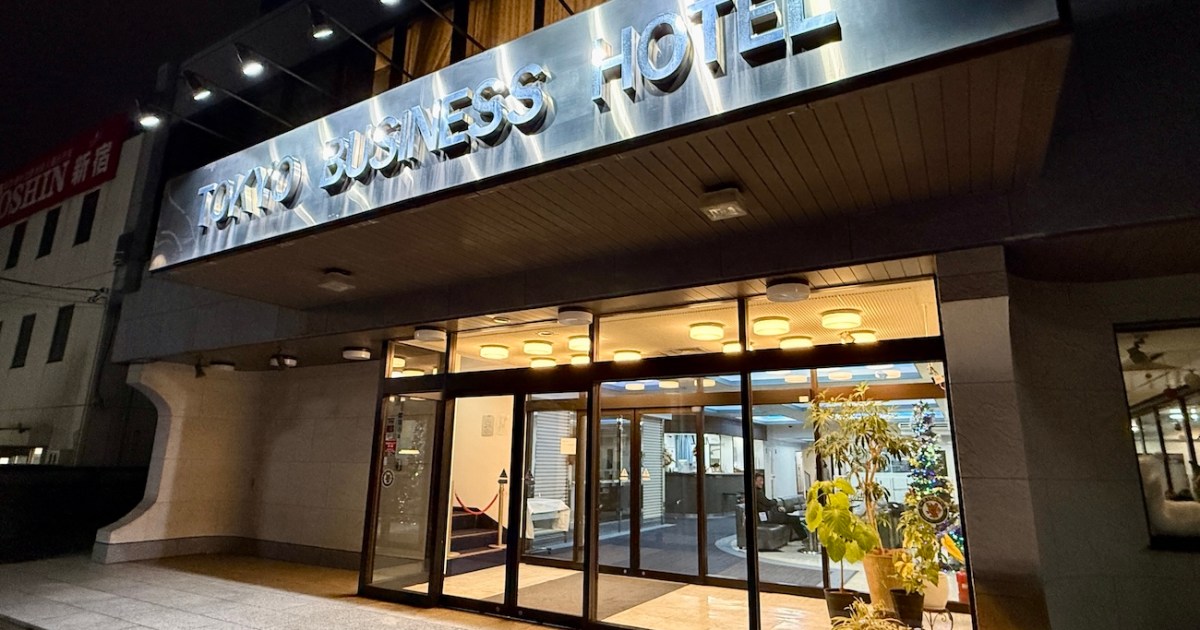
Discover Tokyo Business Hotel: A Budget Gem in Shinjuku with Authentic Japanese Charm
Imagine escaping the electric buzz of Shinjuku, Tokyo’s heartbeat, and finding a cozy, affordable haven that offers a genuine slice of Japanese hospitality for just 7,770 yen a night. If you’ve ever dreamed of experiencing Japan like a local, this hidden gem—東京ビジネスホテル (Tōkyō Bijinesu Hoteru)—is your ticket. Featured in a recent Rocket News article, this business hotel isn’t just a travel tip; it’s a window into the everyday, practical side of Japan that most tourists miss. Let’s dive into what makes this spot so special and how it can help you learn authentic Japanese along the way.
A Quiet Retreat in the Heart of Shinjuku
Nestled just a 7-minute walk from Shinjuku-Sanchome Station and about 15 minutes on foot from the main Shinjuku Station, Tokyo Business Hotel offers a surprising escape from the city’s 喧騒 (kensou, noise and bustle). With over 2,000 reviews on Rakuten Travel and a strong 4.14 rating (as of December 25, 2025), it’s clear this place punches above its weight. For a modest 宿泊費 (shukuhakuhi, accommodation fee) of 7,770 yen per night, you’re not just getting a bed—you’re getting value, or as the Japanese say, great コスパ (kosupa, cost-performance).
The single rooms are simple, with shared toilet and sink facilities and no TV, but they’re clean and functional. A wide desk, free Wi-Fi, and power outlets make it ideal for students or budget travelers. One quirky detail? The retro floor-standing air conditioner shows some 年季が入る (nenki ga hairu, signs of age or wear), but it’s so powerful that even the lowest setting might surprise you!
Soak in Japanese Bathing Culture
The real star of this hotel is its underground 大浴場 (daiburo, large public bath). It’s not just a place to wash up—it’s a cultural experience. With a classic Mount Fuji mural on the wall, reminiscent of traditional 銭湯 (sentō, public bathhouses), and hot water that’s just a tad on the scalding side, it’s perfect for melting away the day’s fatigue. Whether you’re a student unwinding after classes or a traveler exploring Tokyo, soaking here feels like a small luxury. It’s amazing, isn’t it? A budget hotel with such an authentic touch—大浴場とは (daiburo towa, a public bath, huh?)—it’s not something you’d expect at this price!
A Breakfast Worth Waking Up For
Another pleasant surprise awaits in the morning with the hotel’s 朝食バイキング (choushoku baikingu, breakfast buffet), served from 7:00 to 9:15 AM in a spacious second-floor restaurant. At this price, you might expect a bare-bones meal, but Tokyo Business Hotel delivers with rice, miso soup, grilled fish, eggs, tofu, pickles, bread, and yogurt. It’s not just variety; the food is tasty and hearty. And here’s a bonus: even if you oversleep (寝坊しても (nebō shite mo, even if you oversleep)), your breakfast ticket is valid for a month. That kind of flexibility is rare and shows the thoughtful hospitality baked into the experience.
Cultural Context: The Heart of Japanese Hospitality
For many Japanese, staying at a business hotel like this is second nature, especially for work trips or quick city stays. Unlike Western hotels that might focus on luxury or unique design, Japanese business hotels prioritize functionality, cleanliness, and value—mirroring cultural values like efficiency and おもてなし (omotenashi, heartfelt hospitality). The 大浴場 (daiburo) ties into Japan’s deep bathing tradition, where communal baths are about relaxation and connection, not just hygiene. Even the simple breakfast spread reflects the Japanese focus on balanced, everyday meals with staples like rice and miso soup. For learners like you, this no-frills yet comforting stay shows how Japan blends practicality with small, meaningful touches of tradition.
Learn Japanese from This Article
Let’s turn this travel insight into a learning opportunity. Here are some key words and grammar points pulled straight from the experience at Tokyo Business Hotel. These are terms and structures you’ll encounter in real Japanese settings, just as native speakers use them.
Essential Vocabulary
| Japanese | Romaji | Meaning |
|---|---|---|
| 大浴場 | daiburo | large public bath |
| 朝食バイキング | choushoku baikingu | breakfast buffet |
| コスパ | kosupa | cost-performance (value for money) |
| 年季が入る | nenki ga hairu | to show signs of age or wear |
| 宿泊費 | shukuhakuhi | accommodation fee |
| 喧騒 | kensou | noise, bustle |
Grammar Spotlight
Let’s focus on two useful grammar patterns that popped up while exploring this hotel experience. These will help you express surprise or conditions in a natural, Japanese way.
〜とは (towa) - Expressing Surprise or Emphasis
This structure is used to highlight something unexpected or to emphasize a point, often with a sense of “Wow, really?” or “Can you believe it?”
- Structure: Noun + とは
- Examples:
- 大浴場とは、こんな安いホテルにあるなんて驚きだ。 (Daiburo towa, konna yasui hoteru ni aru nante odoroki da.) A public bath, huh? It’s surprising to find one in such a cheap hotel.
- 朝食バイキングとは、こんなに種類が多いなんてすごい! (Choushoku baikingu towa, konna ni shurui ga ōi nante sugoi!) A breakfast buffet, huh? It’s amazing there are so many options!
- When to Use: Use this when you want to express amazement or draw attention to something unexpected, often in casual conversation.
〜ても (te mo) - Even If, Even Though
This pattern conveys a condition or situation that doesn’t change the outcome, similar to “even if” or “even though” in English.
- Structure: Verb (te-form) + も
- Examples:
- 寝坊しても、朝食チケットは1ヶ月有効だ。 (Nebō shite mo, choushoku chiketto wa ikkagetsu yūkō da.) Even if you oversleep, the breakfast ticket is valid for a month.
- 疲れていても、大浴場に入ればリラックスできる。 (Tsukarete ite mo, daiburo ni haireba rirakkusu dekiru.) Even if you’re tired, you can relax by soaking in the public bath.
- When to Use: Use this to talk about hypothetical or real situations where the condition doesn’t affect the result. It’s great for showing flexibility or resilience in daily scenarios.
Continue Learning
Want to dive deeper into Japanese as it’s truly spoken in Japan? Check out these lessons to build on what you’ve learned today:
- Basic Vocabulary Building: Embracing Words Without Latin Ties: Want to learn more about food? Check out our lesson on Basic Vocabulary Building: Embracing Words Without Latin Ties.
- Wa vs. Ga: Emphasizing Importance in Sentences: To understand more about は, explore our Wa vs. Ga: Emphasizing Importance in Sentences lesson.
- Nai Form: Negating Without Auxiliary Words: Want to understand the verb forms used here? Check out Nai Form: Negating Without Auxiliary Words.
As you keep exploring Japan through language and culture, remember that every experience—like a stay at a budget hotel—can teach you something new. Keep soaking in the words and traditions, just like you would in a 大浴場 (daiburo). これからもよろしくお願いします。 Kore kara mo yoroshiku onegaishimasu.