
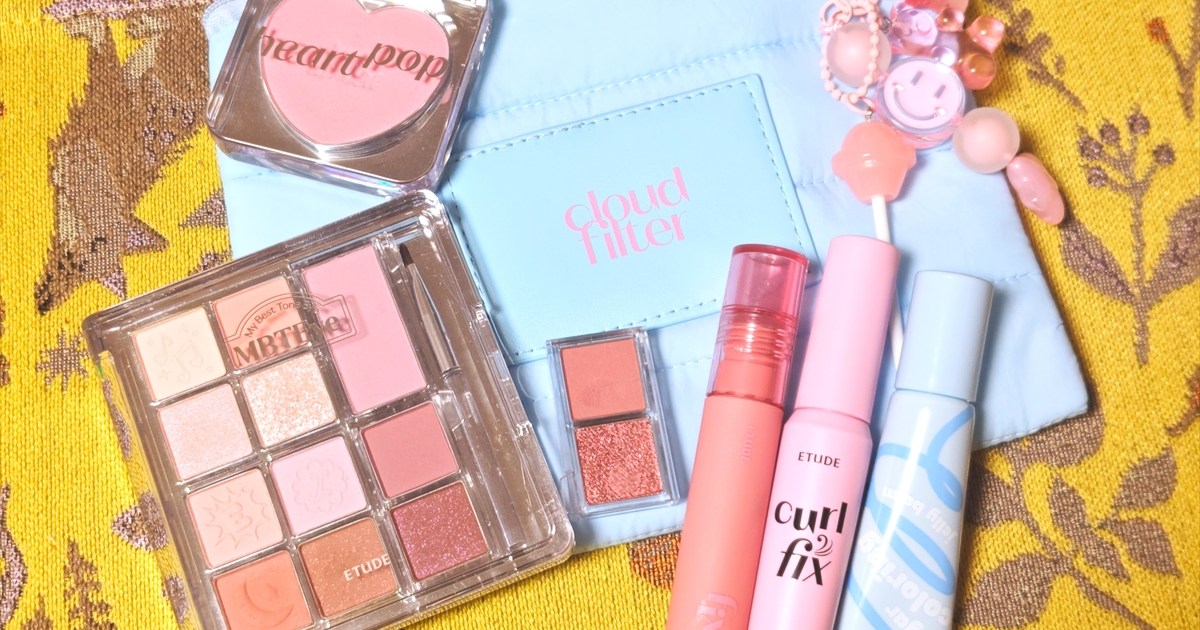
Unboxing Japan’s Lucky Bag Craze: Etude’s Divine Cosmetics Deal
Imagine unboxing a mystery bag packed with vibrant beauty products, each item a steal, bursting with quality and charm. If you’ve ever dreamed of scoring an incredible deal while diving into Japanese shopping traditions, you’re in for a treat. A recent article from Rocket News has beauty enthusiasts buzzing about the 福袋 (fukubukuro), or "lucky bag," from the Korean cosmetics brand エチュード (Echyūdo), known as Etude in English. This isn’t just any deal—it’s been dubbed a 神袋 (kamibukuro), a "divine bag," for its jaw-dropping value. Let’s unpack this cultural gem and learn some authentic Japanese along the way, just as it’s taught in Japan.
The Hype Behind Etude’s Lucky Bag
The writer of the Rocket News piece is a longtime fan of エチュード (Echyūdo) and can’t stop raving about the brand’s high-quality, user-friendly products. What makes this 福袋 (fukubukuro) truly special is how お得 (otoku)—what a bargain!—it is. With discounts often over 40%, and some items slashed by up to 44%, you’re getting a near-complete makeup set of stunning pink-toned コスメ (kosume), or cosmetics, plus adorable bonus items as a surprise. The 満足度 (manzokudo), or level of satisfaction, is off the charts. Having bought this lucky bag three times, the writer confidently declares there’s no duds here—every product is 優秀 (yuushuu), meaning excellent or outstanding. It’s no wonder they’ve nicknamed it a 神袋 (kamibukuro) for its divine value!
You’ll notice the writer’s excitement in how they describe their habit of buying these bags repeatedly. In Japanese, this ongoing action is often expressed with a grammar form we’ll dive into later, showing a habit that’s still happening.
A Cultural Tradition: The Magic of Fukubukuro
If you’re new to Japanese shopping culture, 福袋 (fukubukuro) are a huge deal, especially around the New Year. These "lucky bags" are sold by countless stores and brands, offering a mystery assortment of products at a steep 割引 (waribiki), or discount. The contents are usually a secret until you open them, adding a thrilling element of surprise and gamble. Historically, merchants used 福袋 to clear out old inventory while giving customers a fun, value-packed experience. Today, it’s a full-blown cultural phenomenon in Japan, with eager shoppers lining up as early as January 1st to snag bags from popular brands.
The playful term 神袋 (kamibukuro), coined by the writer, showcases the Japanese knack for wordplay and exaggeration to express something extraordinary. On top of that, Etude’s lucky bag reflects the massive popularity of K-beauty in Japan. Affordable yet trendy Korean cosmetics have won over a huge fanbase, blending cross-cultural appeal with Japanese traditions. It’s a perfect example of how global influences weave into local customs.
Learn Japanese from This Article
Let’s turn this exciting story into a learning opportunity. Here, you’ll find key vocabulary, grammar points, and useful expressions straight from the context of the article. This is how Japanese is taught in Japan—rooted in real-life usage and cultural nuance.
Essential Vocabulary
| Japanese | Romaji | Meaning |
|---|---|---|
| 福袋 | fukubukuro | lucky bag (discounted items sold around New Year) |
| お得 | otoku | good deal, bargain, economical |
| コスメ | kosume | cosmetics (shortened form of 'cosmetics') |
| 割引 | waribiki | discount |
| 満足度 | manzokudo | level of satisfaction |
| 優秀 | yuushuu | excellent, outstanding |
| 神袋 | kamibukuro | divine bag (creative term) |
These words aren’t just useful for shopping—they pop up in everyday conversations about value, quality, and satisfaction. Try using お得 (otoku) next time you score a great deal!
Grammar Spotlight: 〜ている (Ongoing Action or Habit)
One grammar point that fits perfectly with this article is 〜ている, used to describe ongoing actions, states, or habitual behaviors. You’ll hear this all the time in Japan, whether someone’s talking about what they’re doing right now or a repeated action.
- Structure: Verb (stem form) + ている
- Usage: Indicates something happening now, a continuing state, or a habit.
Examples:
- 私は福袋を買っている。(Watashi wa fukubukuro o katteiru.) - I am buying a lucky bag (right now or as a habit).
- 彼女はエチュードのコスメを使っている。(Kanojo wa Echyūdo no kosume o tsukatteiru.) - She uses Etude cosmetics (habitually).
- 毎年、この店で福袋を買っている。(Maitoshi, kono mise de fukubukuro o katteiru.) - Every year, I buy a lucky bag at this store.
This form is super versatile. In the context of the article, the writer’s habit of buying Etude’s lucky bag multiple times could be expressed with 〜ている to show it’s an ongoing practice.
Grammar Spotlight: 〜上に (On Top Of, In Addition To)
Another useful structure is 〜上に (ue ni), which means "on top of" or "in addition to." It’s often used to layer reasons or benefits, much like how the lucky bag offers extra perks.
- Structure: Verb (dictionary form) / Noun + 上に
- Usage: Adds an extra layer of reasoning or benefit to a statement.
Examples:
- この福袋は安い上に、可愛いアイテムが入っている。(Kono fukubukuro wa yasui ue ni, kawaii aitemu ga haitteiru.) - On top of being cheap, this lucky bag contains cute items.
- 品質がいい上に、割引もすごい。(Hinshitsu ga ii ue ni, waribiki mo sugoi.) - In addition to the good quality, the discount is amazing.
You’ll find 〜上に handy when describing multiple benefits, like stacking up reasons why a product or deal is so great.
Useful Expression
Here’s a phrase you’ll hear often when talking about deals in Japan:
- お得だね! (Otoku da ne!) - What a great deal! Use this when you’re impressed by a bargain, just like the writer was with the Etude 福袋 (fukubukuro).
Continue Learning
Want to dive deeper into Japanese grammar and vocabulary? Check out these lessons to build on what you’ve learned today:
- Wa vs. Ga: Emphasizing Importance in Sentences: To understand more about は, explore our Wa vs. Ga: Emphasizing Importance in Sentences lesson.
- Ni, De, and E: Mapping Directions and Locations: Want to learn more about に? Check out our lesson on Ni, De, and E: Mapping Directions and Locations.
- Vocabulary Through Kanji Compounds: Lego-Like Word Building: Working on your reading skills? Our Vocabulary Through Kanji Compounds: Lego-Like Word Building lesson is a great next step.
Learning Japanese the way it’s taught in Japan means connecting language to culture, and there’s no better way to do that than exploring real-world stories like this one. Keep practicing, and you’ll be chatting about お得 (otoku) deals in no time!
これからもよろしくお願いします。 Kore kara mo yoroshiku onegaishimasu.