
Savor Japan: Oysters for 110 Yen at Kaki no Okite!
Imagine stepping into a lively izakaya in the heart of Tokyo, the aroma of grilled seafood teasing your senses, only to discover raw oysters—a winter luxury in Japan—for just 110 yen each, any day of the year. Sounds like a dream, doesn’t it? That’s the reality at かきのおきて (Kaki no Okite), a game-changing oyster-focused Japanese pub chain that’s redefining affordable dining. If you’ve ever wanted to experience authentic Japanese flavors without the hefty price tag, this is your ticket. Let’s dive into this solo dining adventure and uncover not just a meal, but a slice of everyday Japan.
The Oyster Revolution at Kaki no Okite
At かきのおきて (Kaki no Okite), which translates to "The Oyster Code," the mission is simple yet bold: make 牡蠣 (kaki, oysters) accessible to everyone. Since opening their first branch in Tokyo’s Kanda district in March 2024, they’ve expanded to spots like Sangenjaya, Suidobashi, and Yotsuya by 2025. Their unbeatable price of 110 yen (about $0.75 USD) per raw oyster—and 163 yen for grilled—has locals and visitors alike flocking to their doors. Sourced mainly from the Sanriku region, known for its pristine seafood, these oysters are fresh, creamy, and free of any fishy aftertaste.
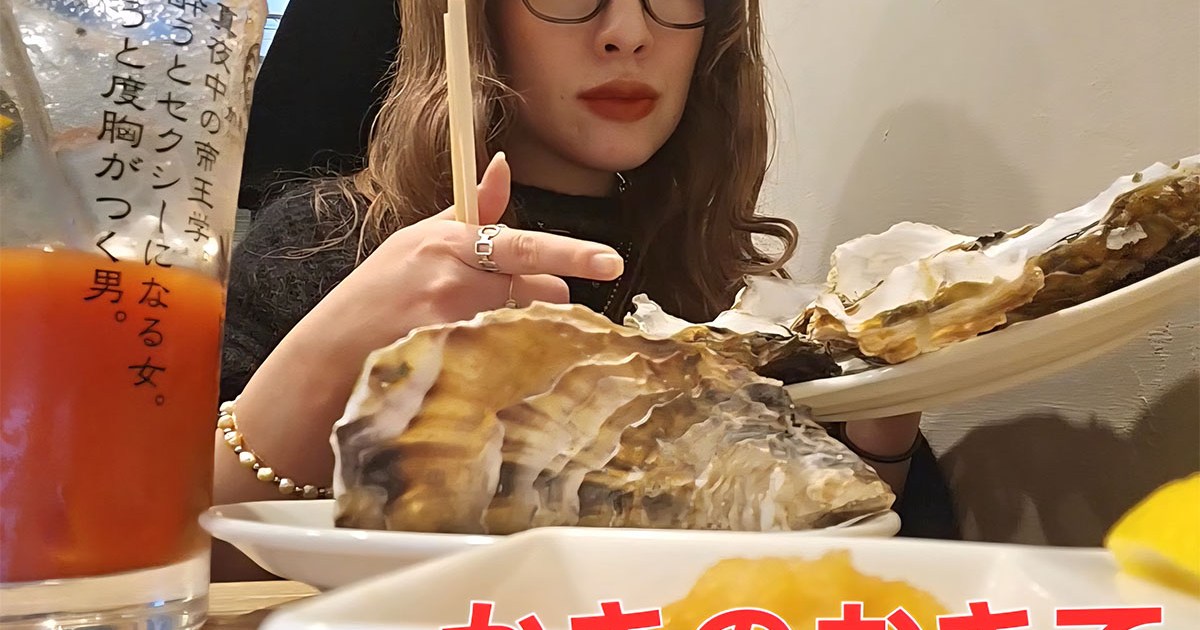
A solo female diner’s experience at the Sangenjaya branch paints a vivid picture of the vibe. With counter seating perfect for lone patrons, the casual atmosphere of this 居酒屋 (izakaya, Japanese pub) welcomes everyone. The meal began with a unique drink, the 牡蠣専用トマトハイ (kaki senyō tomato hai), a tomato highball designed for oysters, complete with a salty rim and black pepper kick, priced at 658 yen. The menu dazzled with variety—beyond 生 (nama, raw) and grilled oysters, there were snacks like edamame, seasonal dishes, and even sushi. Pairing the oysters with 薬味 (yakumi, condiments) like lemon and grated ponzu elevated every bite. The total bill for multiple oysters, drinks, and a comforting bowl of 生海苔の出汁茶漬け (nama nori no dashi chazuke, seaweed dashi rice soup)? Just 4,350 yen. Talk about コスパ (kosupa, cost-performance)!
A Solo Dining Adventure
What makes this story even more relatable is the concept of 女ひとり飲み (onna hitori nomi, solo female drinking). In Japan, solo dining at an izakaya is increasingly common, even for women, as social norms shift. Our diner admitted to usually hesitating over ordering oysters due to their typical cost of 500-600 yen each elsewhere. But at かきのおきて, that barrier vanishes. There’s a sense of 贅沢 (zeitaku, luxury) in ordering extra oysters or trying new drinks like sake and wine without guilt. This reflects a broader trend in Japan—spaces where individuals can unwind solo after work or on a whim, no group needed.
Cultural Context: Oysters and Izakaya Life
For many English speakers, slurping down raw oysters at a pub might seem adventurous, but in Japan, 牡蠣 (kaki, oysters) are nicknamed 海のミルク (umi no miruku, "milk of the sea") and celebrated as a winter delicacy. Regions like Sanriku, a coastal area with a storied history of aquaculture (especially after rebuilding post-2011 tsunami), supply much of Japan’s seafood. Then there’s izakaya culture—these casual spots are the heartbeat of Japanese social life, offering small plates to share (or savor alone) with drinks. You’ll often encounter お通し (otōshi, a small appetizer) automatically served when you sit down, like the beef sushi at かきのおきて. It’s a small charge on your bill, but it’s a traditional way to welcome guests.
The rise of ひとり飲み (hitori nomi, solo drinking) also mirrors modern Japanese lifestyles. While group dining is still popular, solo outings are normalized, with places like this designing counter seating for lone diners. This isn’t just about cheap eats—it’s a peek into how Japanese balance tradition (seasonal foods like oysters) with contemporary habits (solo unwinding), giving you a taste of real Japan beyond tourist traps.
Learn Japanese from This Article
Ready to pick up some authentic Japanese from this dining adventure? Let’s break down key vocabulary, grammar, and expressions you can use to navigate similar experiences in Japan.
Key Vocabulary
| Japanese | Romaji | Meaning |
|---|---|---|
| 牡蠣 | kaki | oyster |
| 居酒屋 | izakaya | Japanese pub or bar |
| 生 | nama | raw, fresh |
| コスパ | kosupa | cost-performance (value for money) |
| お通し | otōshi | small appetizer (often served automatically at izakaya) |
| 薬味 | yakumi | condiments, seasonings |
| 贅沢 | zeitaku | luxury, extravagance |
Grammar Spotlight: 〜たら and 〜とはいえ
Let’s look at two useful patterns that pop up in everyday Japanese, perfect for discussing experiences like dining out.
〜たら (if/when - conditional expressing a sequence of events) This form is used to describe a sequence where one action happens after another, often with a sense of "if" or "when." Attach it to the past tense stem of a verb.
- 行ったら、牡蠣を食べたいです。 (Ittara, kaki o tabetai desu.) - If/When I go, I want to eat oysters.
- お店に入ったら、お通しが出ました。 (Omise ni haittara, otōshi ga demashita.) - When I entered the shop, a small appetizer was served.
- 東京に行ったら、かきのおきてに行きます。 (Tōkyō ni ittara, Kaki no Okite ni ikimasu.) - If/When I go to Tokyo, I’ll go to Kaki no Okite. Use this to plan or reflect on what happens next in a situation—super handy for travel or dining plans!
〜とはいえ (however, having said that) This phrase adds a counterpoint to something you’ve just mentioned, like acknowledging an exception or limitation. It’s often used in formal or reflective speech.
- 牡蠣は安いとはいえ、飲み物は少し高いです。 (Kaki wa yasui to wa ie, nomimono wa sukoshi takai desu.) - Oysters are cheap, however, the drinks are a bit expensive.
- ひとり飲みは楽しいとはいえ、時々寂しいです。 (Hitori nomi wa tanoshii to wa ie, tokidoki sabishii desu.) - Solo drinking is fun, having said that, it’s sometimes lonely. This is great for balancing opinions or observations, like when chatting about a mixed experience at a restaurant.
Useful Expression
Here’s a phrase you’ll hear (or can use) when stepping into an izakaya or shop:
- いらっしゃいませ! (Irasshaimase!) - Welcome! It’s a standard greeting from staff to customers, signaling hospitality. You don’t need to reply, but a small nod or smile shows appreciation.
Continue Learning
Want to expand your Japanese skills for more real-life scenarios like this? Check out these lessons:
- Ni, De, and E: Mapping Directions and Locations: Ready to dive deeper? Our lesson on Ni, De, and E: Mapping Directions and Locations will help you master these concepts.
- Basic Vocabulary Building: Embracing Words Without Latin Ties: Want to learn more about food? Check out our lesson on Basic Vocabulary Building: Embracing Words Without Latin Ties.
- Wa vs. Ga: Emphasizing Importance in Sentences: To understand more about は, explore our Wa vs. Ga: Emphasizing Importance in Sentences lesson.
Let’s keep this journey going together. これからもよろしくお願いします。 Kore kara mo yoroshiku onegaishimasu.