
New Anime "Hikuidori Ushu Borokitegumi" Drops in 2026 with Star-Studded Cast
Imagine yourself in 2026, flipping through a Japanese entertainment magazine, when a bold headline grabs your attention: a new anime with a powerhouse cast and a theme song by a beloved actor. This isn’t just another show—it’s a window into authentic Japanese language and culture. On January 8, 2026, exciting news broke about the upcoming TV anime 火喰鳥 羽州ぼろ鳶組 (Hikuidori Ushu Borokitegumi), a historical drama set in the fiery turmoil of Edo-period Japan. For learners like you, this is more than entertainment; it’s a chance to dive into the storytelling, history, and expressions that shape how Japanese is spoken and understood today.
A Glimpse into "Hikuidori Ushu Borokitegumi"
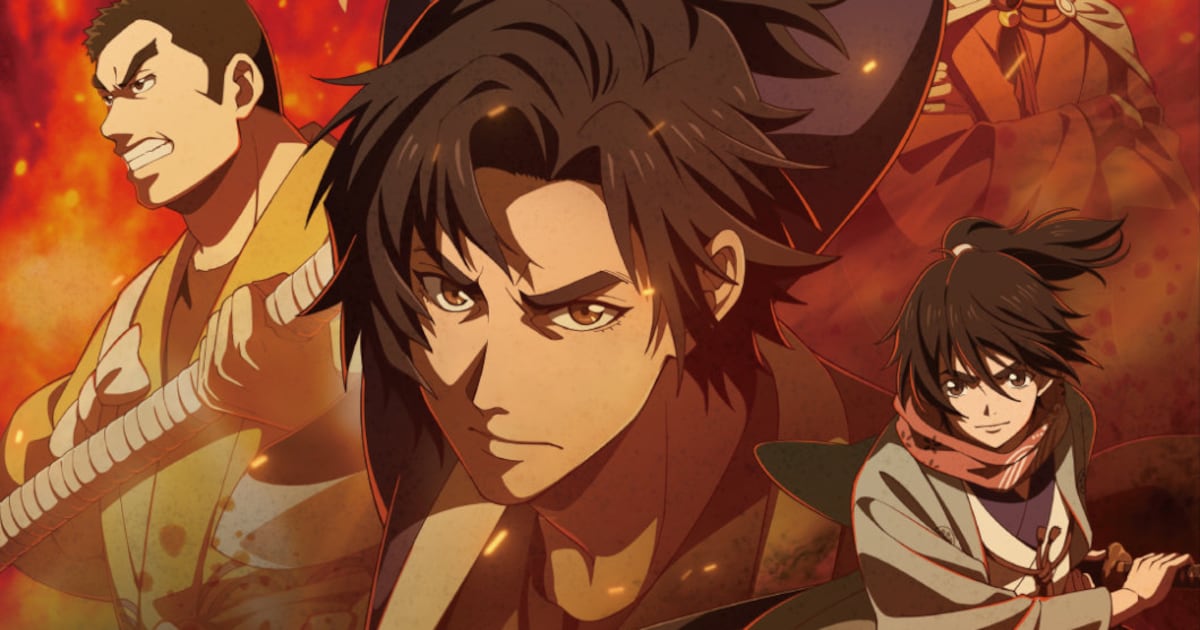
Set in Edo (modern-day Tokyo), 火喰鳥 羽州ぼろ鳶組 (Hikuidori Ushu Borokitegumi) is based on a novel by Naoki Prize-winning author Shogo Imamura. The story follows Matsunaga Gengo, a fire-fighting samurai nicknamed the "fire-eating bird," as he rebuilds his disbanded team and tackles mysterious arson cases amidst devastating 火事 (kaji, fires). Voiced by Yuichiro Umehara, Gengo is joined by a stellar cast including Subaru Kimura and Nobunaga Shimazaki. The anime premieres on January 11, 2026, across 28 CBC and TBS-affiliated stations in Japan.
What’s creating even more buzz is the ending theme, 陽炎 (Kagerou, heat haze), performed by the popular actor Yo Oizumi. This marks Oizumi’s first-ever アニメタイアップ (anime taiappu, anime tie-up), a significant milestone. Composed by the legendary Koji Tamaki, with lyrics co-written by Oizumi himself, the song captures the anime’s themes of loss and resilience. Oizumi shared that 陽炎 (Kagerou) reflects a deep 喪失感 (soushitsukan, sense of loss) but also the strength to push forward 必死 (hisshi, with all one’s might). For learners, this 物語 (monogatari, story) offers a rich blend of emotion and language to explore.
Cultural Context: Fires and Heroes of Edo Japan
To truly appreciate this anime, let’s step back into the Edo period (1603–1868), a time when wooden cities like Edo were constantly at risk of 火事 (kaji, fire). Firefighters, known as 火消し (hikeshi), were hailed as heroes, often risking everything to protect their communities. The title 火喰鳥 (Hikuidori, fire-eating bird) symbolizes a mythical figure who conquers flames, mirroring the protagonist’s unyielding spirit. This reverence for 火消し (hikeshi) is deeply embedded in the anime, giving you a peek into Japanese values of bravery and sacrifice.
Yo Oizumi’s involvement adds a modern twist. A household name in Japan, Oizumi is celebrated for heartfelt roles that resonate with audiences. His song 陽炎 (Kagerou, heat haze) ties directly to the imagery of fire and illusion, blending Edo-period themes with contemporary emotion. For learners, this intersection of past and present in Japanese storytelling shows how language and culture are inseparable—something you won’t find in a typical textbook.
Learn Japanese from This Article
If you’ve ever wondered how to learn Japanese the way it’s taught in Japan, news like this is your perfect starting point. The themes and language around 火喰鳥 羽州ぼろ鳶組 (Hikuidori Ushu Borokitegumi) are packed with authentic expressions and cultural depth. Let’s break down some key vocabulary and grammar to help you connect with this story on a deeper level.
Key Vocabulary
| Japanese | Romaji | Meaning |
|---|---|---|
| 火事 | kaji | fire (as in a disaster) |
| 火消し | hikeshi | firefighter (Edo-period term) |
| 陽炎 | kagerou | heat haze, mirage |
| 喪失感 | soushitsukan | sense of loss |
| アニメタイアップ | anime taiappu | anime tie-up (collaboration) |
| 必死 | hisshi | desperate, with all one’s might |
| 物語 | monogatari | story, tale |
These words aren’t just random terms—they’re tied to the anime’s themes and historical context. For instance, saying someone fought 必死 (hisshi) paints a vivid picture of their determination, much like Gengo’s struggle in the anime.
Grammar Spotlight: 〜させていただく (Humble Expression)
One structure you’ll hear in interviews or formal contexts, like Oizumi discussing his work, is 〜させていただく (~sasetadaiku), a humble way to express doing something with gratitude or permission. It’s a polite form often used to show respect.
- Structure: Verb (stem form) + させていただく
- Example 1: 歌を歌わせていただきます。 (Uta o utawasete itadakimasu.) - I humbly sing this song. (e.g., Oizumi expressing gratitude for the opportunity)
- Example 2: 参加させていただきました。 (Sanka sasetadaikimashita.) - I was honored to participate.
- When to Use: Use this in formal situations to show humility, especially when thanking someone for an opportunity or permission. It’s a key part of Japanese politeness culture.
Grammar Spotlight: 〜ながら (While Doing Something)
Another useful pattern is 〜ながら (~nagara), which means "while" or "simultaneously." It’s perfect for describing actions happening at the same time, like listening to anime songs while studying.
- Structure: Verb (stem form) + ながら
- Example 1: アニメを見ながら日本語を勉強します。 (Anime o minagara nihongo o benkyou shimasu.) - I study Japanese while watching anime.
- Example 2: 音楽を聴きながら歩きます。 (Ongaku o kikinagara arukimasu.) - I walk while listening to music.
- When to Use: Use this to connect two actions happening at the same time. It’s casual and common in everyday speech, making it a great way to sound natural.
Continue Learning
Ready to build on what you’ve learned from this anime news? Check out these lessons to deepen your understanding of Japanese language and culture:
- Katakana Essentials: Adapting Global Words to Japanese: Working on your reading skills? Our Katakana Essentials lesson is a great next step.
- Greetings and Self-Introductions: Authentic Entry Phrases: To understand more about culture, explore our Greetings and Self-Introductions lesson.
- Wa vs. Ga: Emphasizing Importance in Sentences: Curious about the Japanese used here? Our Wa vs. Ga lesson covers this in depth.
As you dive into shows like 火喰鳥 羽州ぼろ鳶組 (Hikuidori Ushu Borokitegumi), remember that every word, every song, and every story is a step closer to understanding Japan the way natives do. Keep exploring, keep listening, and you’ll find the language coming alive in ways you never expected.
これからもよろしくお願いします。 Kore kara mo yoroshiku onegaishimasu.