
Unboxing a Japanese Fukubukuro: Mystery Caps and a Mona Lisa Surprise!
Imagine scrolling through an online marketplace, hunting for a unique addition to your wardrobe, when you stumble upon a deal that seems almost too good to be true: a mystery bag of NEW ERA caps for just 9,800 yen. That’s exactly what happened to a writer from Rocket News, who took a chance on a 福袋 (fukubukuro - lucky bag) from the shopping site BUYMA (Baima). What arrived in that plain brown paper bag wasn’t just a bargain—it was a wild mix of stylish finds and one head-scratching surprise that might just make you want to try a 福袋 yourself. Let’s dive into this unboxing adventure and uncover some authentic Japanese language and culture along the way!
The Mystery of BUYMA and Fukubukuro
If you’ve never heard of BUYMA (Baima), think of it as a global marketplace with a personal twist. Unlike typical e-commerce giants, this platform connects you with individual バイヤー (baiyaa - buyers or personal shoppers) who source unique fashion items from around the world, often at prices lower than official imports. It’s a bit like a mix of Amazon and Rakuten, but with the occasional gamble of dealing with individual sellers. While BUYMA is legit and works to protect users by suspending shady accounts, the experience can vary—sometimes you’ll get an お買い得 (okaidoku - good deal), and other times you might worry about 偽物 (nisemono - fakes or counterfeits). Checking 口コミ (kuchikomi - word of mouth or reviews) becomes crucial before hitting “buy.”
What caught the writer’s attention was a 福袋 (fukubukuro - lucky bag), a Japanese tradition where you purchase a discounted bag of mystery items, often around New Year’s. This particular bag promised at least one キャップ (kyappu - cap) from NEW ERA, a popular American headwear brand, for 9,800 yen (about $65 USD), though fees bumped it to 10,632 yen. With the seller’s near-perfect 4.9 rating, the writer decided to take the plunge. A week later, a nondescript brown bag arrived, and the unboxing began.
Unpacking the Lucky Bag: Hits and a Wild Miss
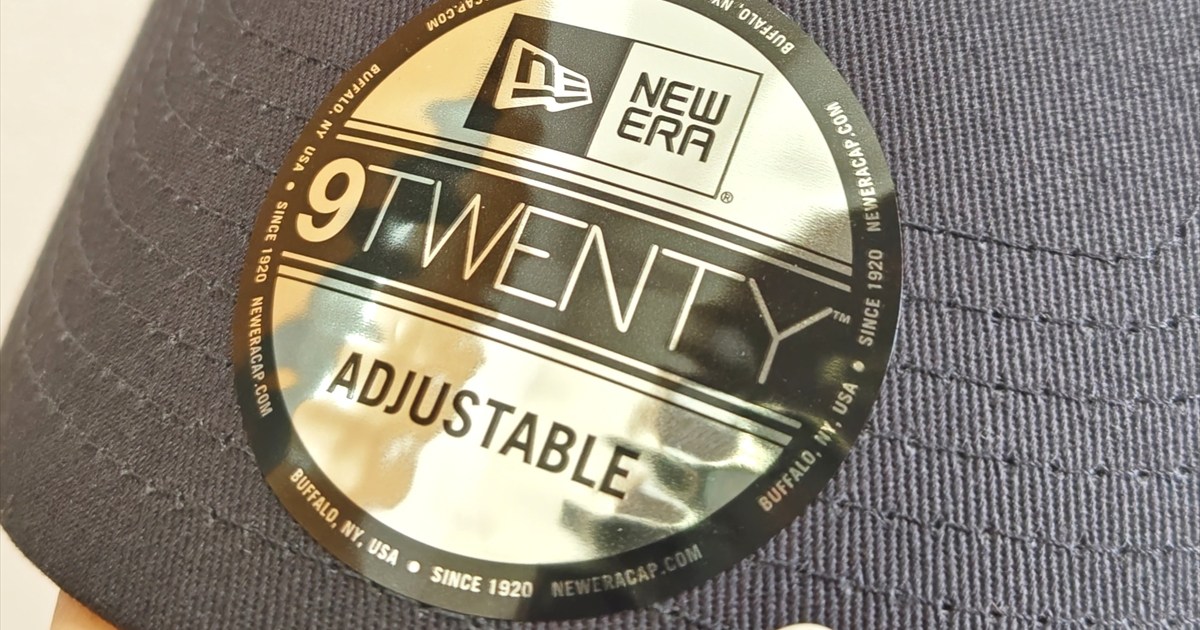
Inside the 福袋 were three caps, each with its own vibe. The first was a navy NEW ERA cap from the ‘9TWENTY’ line, featuring an embroidered logo. A quick search revealed this wasn’t even sold in Japan, with 並行輸入品 (heikou yunyuu hin - parallel imports or gray market products) going for 8,000 to 18,500 yen elsewhere. Just this one item covered the cost of the bag—a huge win! Its street-style design was a relief, as the writer had been 心配している (shinpai shiteiru - worrying) about getting something too sporty or unwearable.
The second cap was a plain black one, minimalist for a brand known for bold designs. While it wasn’t flashy, its simplicity made it practical, with similar items selling for about 3,000 yen on Amazon. The writer noted it’d be perfect for long outdoor shoots, wearing it 撮影しながら (satsuei shinagara - while filming).
Then came the third cap, and this is where things got weird. It featured a chaotic all-over print in murky blue with face-like patterns. On closer inspection, it was none other than the モナ・リザ (Mona Riza - Mona Lisa) staring back! Yes, a Mona Lisa-themed cap! Research confirmed it wasn’t a fake but a limited-edition item sold at the Louvre Museum in France, with resale prices between 5,000 and 12,000 yen. While the writer couldn’t imagine styling it, they wondered if the right outfit could turn this oddity into a statement piece. Talk about an unexpected find!
Cultural Context: The Fukubukuro Phenomenon
If buying a mystery bag sounds like a gamble, you’re not wrong—but in Japan, 福袋 (fukubukuro - lucky bags) are a cherished tradition, especially around New Year’s. Retailers from department stores to fashion brands offer these discounted bags, often packed with items worth far more than the price tag. The catch? You don’t know what’s inside until you open it. This element of surprise taps into a cultural love for anticipation and small risks, similar to gacha games or lottery tickets. For many Japanese, 福袋 are a fun way to kick off the year with a sense of possibility. As this story shows, you might end up with something as bizarre as a Mona Lisa cap, but that’s part of the thrill! Even online platforms like BUYMA have jumped on the trend, offering curated 福袋 from luxury brands to everyday items like these caps.
Learn Japanese from This Article
Let’s turn this quirky unboxing into a mini Japanese lesson, the way you’d learn it in Japan—straight from real-life context. Here are some key words and grammar points to help you navigate shopping and surprises like a native speaker.
Key Vocabulary
| Japanese | Romaji | Meaning |
|---|---|---|
| 福袋 | fukubukuro | lucky bag, mystery bag |
| キャップ | kyappu | cap (hat) |
| バイヤー | baiyaa | buyer (personal shopper) |
| 偽物 | nisemono | fake, counterfeit |
| 口コミ | kuchikomi | word of mouth, reviews |
| 並行輸入品 | heikou yunyuu hin | parallel import, gray market product |
| お買い得 | okaidoku | good deal, bargain |
Grammar Spotlight: 〜ている (Ongoing Action or State)
The 〜ている form is used to describe an ongoing action or a current state resulting from a past action. It’s like the English “-ing” or “have been” in some contexts. You’ll hear this all the time in Japanese conversations, especially when describing what someone is doing or feeling right now.
- Structure: Verb (stem form) + ている
Examples:
- 私は福袋のことを考えている。(Watashi wa fukubukuro no koto o kangaeteiru.
- I’m thinking about lucky bags.)
- 彼は帽子をかぶっている。(Kare wa boushi o kabutteiru.
- He is wearing a hat.)
- ずっと心配している。(Zutto shinpai shiteiru.
- I’ve been worrying for a while.)
- 私は福袋のことを考えている。(Watashi wa fukubukuro no koto o kangaeteiru.
When to Use: Use 〜ている to talk about something happening now or a state that continues (like wearing something or feeling a certain way). It’s super common when describing real-time actions or emotions, like the writer worrying about the contents of the bag.
Grammar Spotlight: 〜ながら (While Doing Something)
The 〜ながら form lets you express doing two actions at the same time, similar to “while” in English. It’s a handy way to sound more natural when describing multitasking or simultaneous activities.
- Structure: Verb (stem form) + ながら
Examples:
- スマホを見ながら買い物をした。(Sumaho o minagara kaimono o shita.
- I shopped while looking at my phone.)
- 撮影をしながら帽子をかぶる。(Satsuei o shinagara boushi o kaburu.
- I wear a hat while filming.)
- 話を聞きながら考えた。(Hanashi o kikinagara kangaeta.
- I thought while listening to the conversation.)
- スマホを見ながら買い物をした。(Sumaho o minagara kaimono o shita.
When to Use: Use 〜ながら to connect two actions happening at the same time. Note that the subject of both actions must be the same (you can’t say someone else is doing the second action). It’s perfect for casual storytelling, like describing how you browse BUYMA while sipping coffee.
Continue Learning
Ready to dive deeper into Japanese grammar and expressions? Check out these lessons to build on what you’ve learned today:
- Ni, De, and E: Mapping Directions and Locations: Want to learn more about に? Check out our lesson on Ni, De, and E: Mapping Directions and Locations.
- Wa vs. Ga: Emphasizing Importance in Sentences: To understand more about は, explore our Wa vs. Ga: Emphasizing Importance in Sentences lesson.
- Time and Dates: Tense-Free Expressions: Ready to dive deeper? Our lesson on Time and Dates: Tense-Free Expressions will help you master these concepts.
Whether you’re unboxing a 福袋 or just navigating daily life, learning Japanese the way it’s taught in Japan opens up a world of surprises and connections. Keep practicing, and who knows—maybe you’ll find your own Mona Lisa moment! これからもよろしくお願いします。 Kore kara mo yoroshiku onegaishimasu.