
Budget Tokyo Hotel with Free Drinks: A New Year’s Missed Opportunity
Imagine yourself wandering the bustling streets of Tokyo on New Year’s Day, arms full of 福袋 (fukubukuro - lucky grab bags), only to realize you’ve missed out on an incredible deal waiting for you at your hotel. If you’ve ever dreamed of snagging a budget-friendly stay in Japan’s capital during the chaotic holiday season, this story from a Rocket News reporter might just inspire your next trip—while also teaching you a valuable lesson about timing. Let’s dive into this bittersweet tale of a cheap business hotel stay, a free all-you-can-drink offer, and a cultural crash course in Japanese New Year traditions, all while picking up some authentic Japanese along the way.
A Steal of a Stay in Tokyo
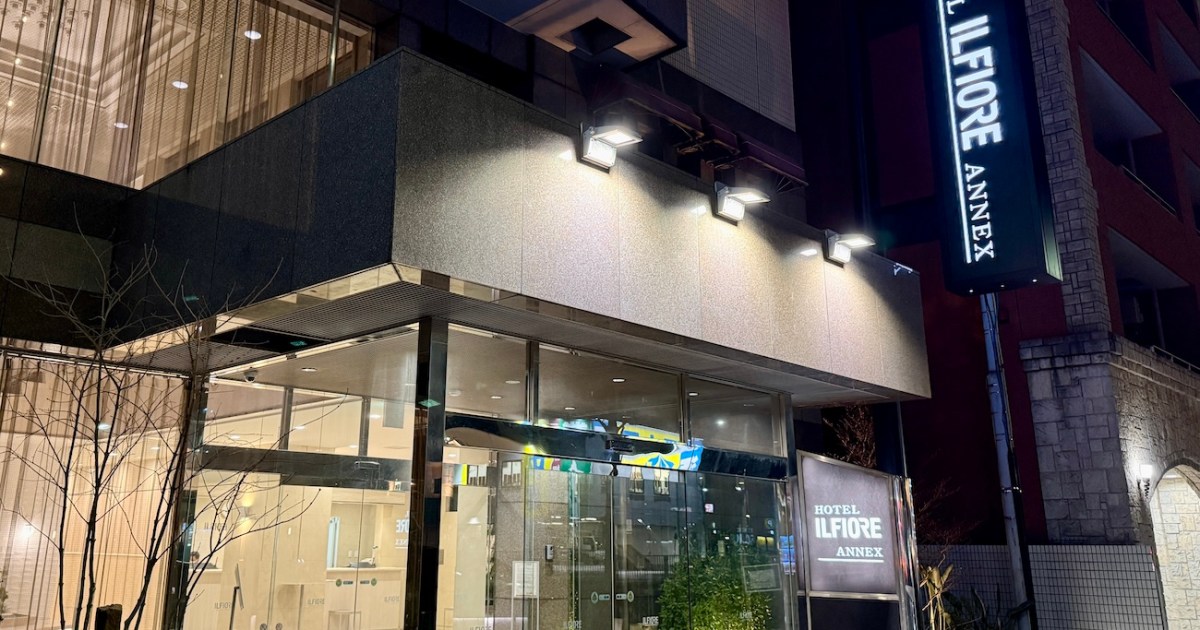
During the peak New Year season, when hotel prices in Tokyo often soar into the stratosphere, a reporter lucked out with a room at ホテル イルフィオーレ葛西 ANNEX (Hoteru Irufiore Kasai Annex), a no-frills business hotel just a 2-minute walk from Kasai Station on the Tokyo Metro Tozai Line. Normally priced at 7,000 yen per night, a special coupon on 楽天トラベル (Rakuten Toraberu - Rakuten Travel) dropped the cost to an jaw-dropping 6,650 yen. For a proper ビジネスホテル (bijinesu hoteru - business hotel) in the capital during the 繁忙期 (hanbouki - peak season), this is practically unheard of—especially since it’s not a capsule hotel or shared facility.
But the real cherry on top? A free 1-hour 飲み放題 (nomihoudai - all-you-can-drink) offer, including everything from soft drinks to draft beer, sake, and even 焼酎 (shouchuu - Japanese distilled liquor) made from barley or sweet potato. With such a perk tied to the hotel’s prime 立地 (ricchi - location), just 20 minutes from central business hubs like Otemachi and near bus stops for Disney Resort and airports, this deal was a traveler’s dream. The catch? Last orders for drinks were at 9 PM, a detail that would soon haunt our reporter.
A Heartbreaking Missed Chance
Here’s where the story takes a tragic turn. After a long day of work on January 1st, the reporter arrived near the hotel around 8:30 PM. Thinking they had time before チェックイン (chekkuin - check-in), they decided to grab dinner first. Big mistake. Most nearby restaurants—ramen shops, sushi spots, and even family diners like Jonathan and Gusto—were closed early for New Year’s Day. After wandering around Kasai Station, they finally queued for 40 minutes at a yakiniku restaurant, 安楽亭 (Anrakutei), to enjoy a special holiday menu. By the time they checked in, it was past 10 PM—well after the drinks cutoff. They had 逃してしまった (nogashite shimatta - ended up missing) the all-you-can-drink offer entirely. A tough lesson: if a deal like 飲み放題 (nomihoudai) is your goal, early check-in is a must.
Simple Comforts at a Bargain Price
Despite the disappointment, the stay at Il Fiore Kasai Annex wasn’t a total loss. The room was minimalist—think clean, functional, and perfect for anyone who just needs a place to shower and sleep. No fancy decor, but at this price during the busy New Year period, it’s hard to complain. The next morning, while breakfast wasn’t included, the hotel offered a cafe counter drink bar where the reporter savored a hot coffee. Reviews on Rakuten Travel praise the hotel for its accessibility and free drink perks, making it a great choice for budget-conscious travelers seeking a convenient base in Tokyo.
Cultural Context: New Year’s in Japan
New Year’s Day, known as 元日 (Ganjitsu), isn’t just another holiday in Japan—it’s the biggest of the year. Families gather, people visit shrines for blessings, and stores roll out 福袋 (fukubukuro - lucky bags), mystery bundles of discounted goods to start the year with a bang. It’s also common for many businesses, including restaurants, to close early or for several days so employees can celebrate with loved ones. That’s why our reporter struggled to find an open eatery near Kasai Station—a classic pitfall for travelers unfamiliar with Japan’s holiday rhythm.
Then there’s the concept of a ビジネスホテル (bijinesu hoteru - business hotel), or ビジホ (bijiho) for short. These are a staple of Japanese travel culture: affordable, practical accommodations often near train stations, designed for short stays by workers or tourists. The all-you-can-drink offer, though rare for this category, reflects Japan’s knack for hospitality and social drinking culture, even in budget settings. Understanding these cultural nuances can make or break your travel experience in Japan.
Learn Japanese from This Article
Let’s turn this story into a mini-lesson, the way Japanese is taught in Japan—focusing on real-world usage and context over textbook drills. Here are some key words and grammar points to help you navigate travel and holiday scenarios like a local.
Essential Vocabulary
| Japanese | Romaji | Meaning |
|---|---|---|
| 福袋 | fukubukuro | lucky bag, mystery bag sold during New Year |
| ビジネスホテル | bijinesu hoteru | business hotel |
| 飲み放題 | nomihoudai | all-you-can-drink |
| チェックイン | chekkuin | check-in (at a hotel) |
| 焼酎 | shouchuu | Japanese distilled liquor |
| 立地 | ricchi | location, site (of a building/business) |
| 繁忙期 | hanbouki | peak season, busy period |
Grammar Spotlight: 〜てしまう (Regrettable Action)
The pattern 〜てしまう (~te shimau) is used to express doing something unintentionally or regrettably, often with a sense of completion or finality. It’s perfect for situations like missing out on something, as in our reporter’s story.
- Structure: Verb (て-form) + しまう
- Examples:
- 飲み放題を逃してしまった。 (Nomihoudai o nogashite shimatta.) - I ended up missing the all-you-can-drink offer.
- 電車に乗り遅れてしまった。 (Densha ni noriookurete shimatta.) - I ended up missing the train.
- 忘れてしまった。 (Wasurete shimatta.) - I ended up forgetting (it).
Use this when you’ve done something you wish you hadn’t, or when something unfortunate happened beyond your control. It adds an emotional layer to your statement, showing regret or disappointment.
Grammar Spotlight: 〜なら (If, In the Case of)
The pattern 〜なら (~nara) is used to express “if” or “in the case of,” often suggesting a condition or hypothetical situation. It’s less formal than other “if” structures and fits conversational contexts well.
- Structure: Noun/Verb (plain form) + なら
- Examples:
- 飲み放題が欲しいなら、早くチェックインしてください。 (Nomihoudai ga hoshii nara, hayaku chekkuin shite kudasai.) - If you want the all-you-can-drink offer, please check in early.
- 東京に行くなら、ビジホが便利だ。 (Toukyou ni iku nara, bijiho ga benri da.) - If you’re going to Tokyo, business hotels are convenient.
- 安いホテルを探しているなら、楽天トラベルをチェック! (Yasui hoteru o sagashite iru nara, Rakuten Toraberu o chekku!) - If you’re looking for a cheap hotel, check Rakuten Travel!
This pattern is great for giving advice or stating conditions based on a specific situation, like planning a trip or making choices.
Continue Learning
Want to dive deeper into Japanese to prepare for your own Tokyo adventure? Check out these lessons from “Japanese from Japan” to build your skills:
- To understand more about に, explore our Ni, De, and E: Mapping Directions and Locations lesson.
- Want to learn more about restaurant-related vocab? Check out our lesson on Basic Vocabulary Building: Embracing Words Without Latin Ties.
- To understand more about time, explore our Time and Dates: Tense-Free Expressions lesson.
これからもよろしくお願いします。 Kore kara mo yoroshiku onegaishimasu.