
Unpack the 2026 Vi de France Fukubukuro: A Lucky Bag of Deals and Japanese Culture
Imagine stepping into a warm, inviting Japanese bakery, the scent of fresh bread filling the air, as you grab a special New Year’s surprise that’s both a bargain and a delight. That’s the magic waiting for you at ヴィ・ド・フランス (Vi do Furansu), a beloved bakery chain with over 200 locations across Japan. They’ve just launched their 2026 福袋 (fukubukuro)—a traditional “lucky bag” stuffed with goodies at a discounted price. In this article, we’ll dive into the contents of their most affordable 2,200-yen bag, reveal why it’s such an incredible deal, and show you how everyday experiences like this open a window into Japanese culture and language. Let’s unpack this treasure together!
What’s Inside the 2026 Vi de France Fukubukuro?
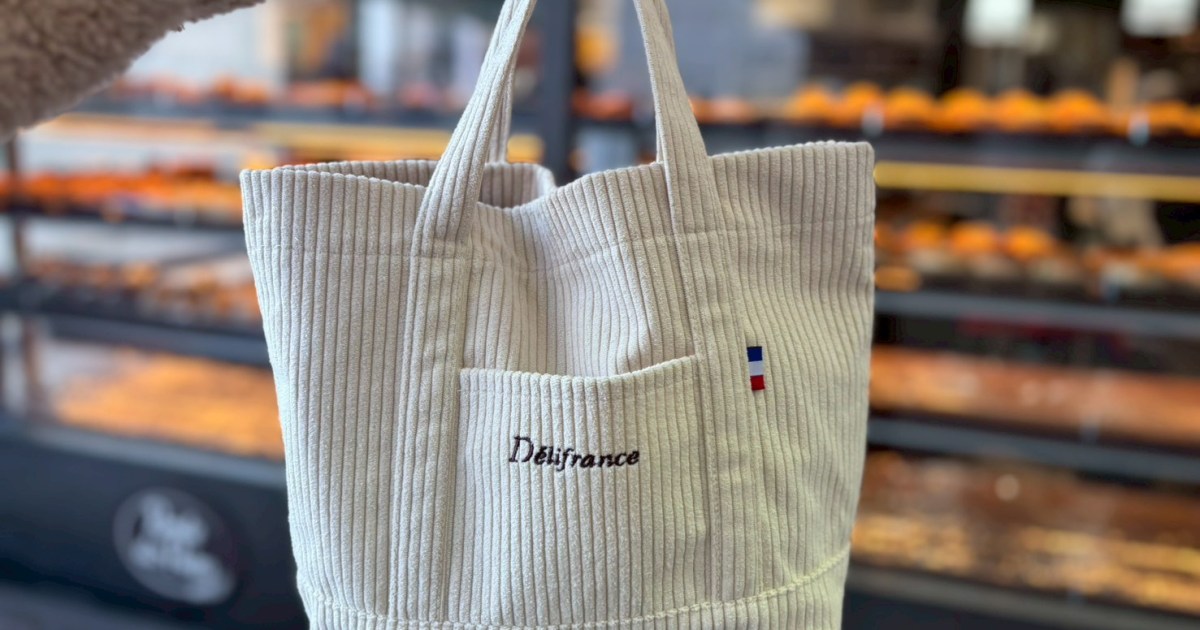
For just 2,200 yen (about $15 USD), the 福袋 (fukubukuro) from ヴィ・ド・フランス offers amazing value—estimated at around 1,200 yen more than what you pay. Available in three price tiers (2,200 yen, 3,300 yen, and 5,500 yen), I focused on the cheapest option for this review, and it exceeded expectations. You can even make a 予約 (yoyaku, reservation) online, choosing your pickup store and date for a hassle-free experience. Unlike some lucky bags that come in throwaway packaging, this one arrives in a reusable tote bag, setting a delightful tone right from the start.
This year’s theme is “Make Breakfast More Fun! Morning Goods,” and the contents match perfectly. Here’s what you’ll find inside:
- An original butter knife (though not everyone might need it)
- Half a loaf of sandwich bread (3 slices)
- A Danish sausage roll
- A パン・オ・レザン (pan o rezan, raisin pastry)
- A salted butter French roll
- An original tote bag (in beige or blue-gray)
- 1,000 yen worth of クーポン券 (kuuponken, coupons) valid until February 28, 2026
The tote bag and coupons are the real stars. The beige corduroy tote (W350×H250×D135) is ideal for a quick trip to the local パン屋 (panya, bakery), with cute bread-and-cat prints and both inner and outer pockets for 実用性 (jitsuyousei, practicality). The coupons, though not combinable with other offers, are a fantastic bonus—use them wisely, and you could grab pastries for next to nothing. Honestly, opening this bag gave me a huge 満足感 (manzokukan, sense of satisfaction)!
Why This Fukubukuro Stands Out
Beyond the goodies, the attention to detail in this 福袋 (fukubukuro) is what truly impresses. The tote bag’s thoughtful design—from the charming prints to the functional pockets—feels like something you’d buy separately. Add to that a “New Year’s Luck Test” survey included in the bag, asking for feedback on preferences (like more bread vs. more goods), and you can see that ヴィ・ド・フランス genuinely cares about improving future offerings. This mix of value, usability, and customer engagement makes their lucky bag a must-buy. In fact, after experiencing this, you might もっと高い福袋を買いたいと思う (motto takai fukubukuro o kaitai to omou, think you want to buy a pricier lucky bag) next year!
Cultural Context: The Magic of Fukubukuro in Japan
If you’re new to Japanese traditions, let me introduce you to the wonder of 福袋 (fukubukuro, lucky bags). These mystery bags, sold around early January (often starting on New Year’s Day), are a cherished New Year’s custom where stores offer discounted bundles filled with surprise items. From clothing to food, you never quite know what you’ll get until you open it. The idea is rooted in starting the year with good fortune—buying a 福袋 is like inviting luck into your life. Seeing a chain like ヴィ・ド・フランス join this tradition shows how even everyday businesses embrace seasonal customs, blending practicality with festivity. Understanding this practice doesn’t just make events like this more meaningful; it connects you to the heartbeat of Japanese life, where small moments of joy and anticipation are part of the daily rhythm.
Learn Japanese from This Article
Let’s turn this delightful bakery experience into a learning opportunity! Below, you’ll find key vocabulary, grammar patterns, and useful expressions inspired by the 福袋 (fukubukuro) tradition. These are taught the way Japanese children learn—through context and real-life usage—so you can build authentic language skills.
Essential Vocabulary
| Japanese | Romaji | Meaning |
|---|---|---|
| 福袋 | fukubukuro | lucky bag (a discounted bag with surprise contents, often for New Year) |
| パン屋 | panya | bakery, bread shop |
| クーポン券 | kuuponken | coupon ticket/voucher |
| 予約 | yoyaku | reservation, booking |
| 満足感 | manzokukan | sense of satisfaction |
| 実用性 | jitsuyousei | practicality, usefulness |
Grammar Spotlight
Let’s explore two useful grammar patterns that popped up naturally while talking about this 福袋 (fukubukuro). These will help you express your thoughts and plans in a way that feels native.
〜たいと思う (~tai to omou): To think one wants to do something
- Structure: Verb (stem form) + たい + と思う
- Usage: This pattern expresses a personal desire or intention, often about something you’re considering. It’s softer than just saying 〜たい (want to) because it shows you’re thinking about it.
- Examples:
- 来年も福袋を買いたいと思う。 (Rainen mo fukubukuro o kaitai to omou.) - I think I want to buy a lucky bag next year too.
- ヴィ・ド・フランスのパンをもっと食べたいと思う。 (Vi do Furansu no pan o motto tabetai to omou.) - I think I want to eat more Vi de France bread.
- 日本で本物の福袋を体験したいと思う。 (Nihon de honmono no fukubukuro o taiken shitai to omou.) - I think I want to experience a real lucky bag in Japan.
〜ていく (~te iku): To go on doing something, to continue an action
- Structure: Verb (て-form) + いく
- Usage: This pattern indicates a continuing action or a progression over time, often with a sense of moving forward. It’s great for talking about ongoing habits or future plans.
- Examples:
- 毎年福袋を買っていくつもりです。 (Maitoshi fukubukuro o katte iku tsumori desu.) - I plan to keep buying lucky bags every year.
- 日本語を勉強していくと、上手になります。 (Nihongo o benkyou shite iku to, jouzu ni narimasu.) - If you keep studying Japanese, you’ll get better.
- パン屋に行っていくのが楽しみです。 (Panya ni itte iku no ga tanoshimi desu.) - I look forward to keep going to bakeries.
Useful Expression
When you’re making a 予約 (yoyaku, reservation) or planning to pick up your own 福袋 (fukubukuro), you might hear or say: 予約をお願いします。 (Yoyaku o onegaishimasu.) - I’d like to make a reservation, please. This polite phrase is a staple for booking anything in Japan, from bakery pickups to restaurant seats.
Continue Learning
Want to dive deeper into Japanese grammar and expressions that’ll help you navigate everyday situations like shopping for a 福袋 (fukubukuro)? Check out these lessons:
- Ni, De, and E: Mapping Directions and Locations: Want to learn more about に? Check out our lesson on Ni, De, and E: Mapping Directions and Locations.
- Wa vs. Ga: Emphasizing Importance in Sentences: Want to learn more about は? Check out our lesson on Wa vs. Ga: Emphasizing Importance in Sentences.
- Time and Dates: Tense-Free Expressions: Want to learn more about date? Check out our lesson on Time and Dates: Tense-Free Expressions.
Whether you’re dreaming of visiting a Japanese パン屋 (panya) or just curious about cultural traditions, keep exploring with us. これからもよろしくお願いします。 Kore kara mo yoroshiku onegaishimasu.