
Winter Warning: Heavy Snow and Blizzards Hit Japan
If you’ve ever dreamed of experiencing Japan’s snowy landscapes or if you’re following the daily pulse of life in Japan, this week’s weather forecast is a stark reminder of nature’s raw power. Winter is tightening its grip, and a serious warning has emerged: heavy snow and fierce blizzards are on the horizon for parts of Japan, especially along the Japan Sea coast. Let’s dive into the details of this urgent weather alert, explore the cultural weight of winter in Japan, and pick up some authentic Japanese language along the way—straight from how it’s used in real-life contexts.
Weather Alert: Snow and Blizzards Ahead
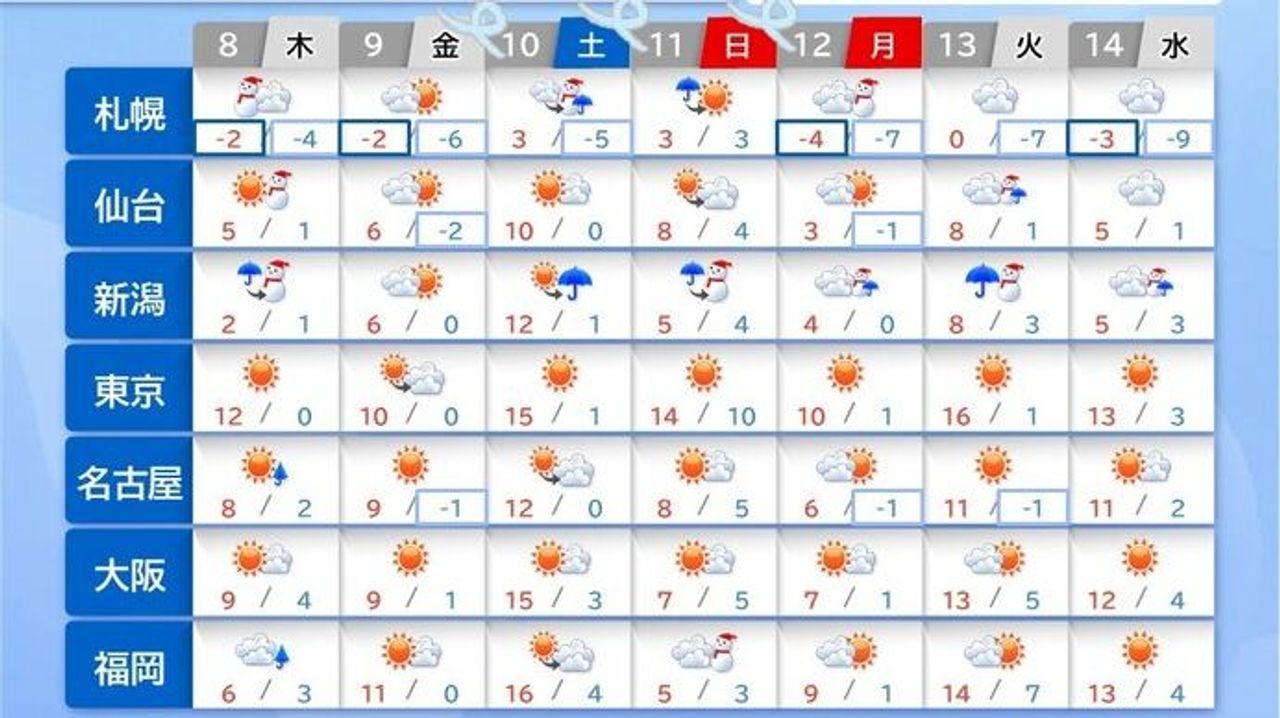
The forecast is urgent and clear. Tomorrow, January 8th (Thursday), areas along the 日本海側 (Nihonkai-gawa), or the Japan Sea side of the country, could face a rapid increase in 積雪 (sekisetsu), which means snow accumulation. This isn’t just a light dusting; the snow could pile up in mere hours, disrupting daily routines. But the real challenge looms over the three-day holiday weekend starting January 10th (Saturday). An intense wave of 寒気 (kanki), a cold air mass, described as the strongest of the season, is expected to sweep in. This brings the risk of 大雪 (taiyuki), heavy snowfall, and 猛吹雪 (mōfubuki), fierce blizzards that could slash visibility to near zero. Authorities are calling for 警戒 (keikai), or caution, as transportation and holiday plans may face major disruptions.
Cultural Context: Winter’s Weight in Japan
Winter in Japan isn’t just about pretty snowflakes or cozy evenings—it’s a serious force, especially in regions known as 雪国 (yukiguni), or “snow country,” along the Japan Sea coast. These areas experience some of the heaviest snowfall in the world due to a unique clash of moist air from the Sea of Japan and frigid Siberian winds. This shapes life in profound ways, from homes built to withstand snow loads to community efforts in clearing paths. The timing of this forecast also overlaps with a significant cultural moment: the three-day weekend often includes 成人の日 (Seijin no Hi), Coming of Age Day, celebrated on the second Monday of January. For young adults marking this milestone with ceremonies or families planning travel, the looming snowstorm could cast a shadow over celebrations. It’s a vivid example of how nature and culture are deeply intertwined in Japan.
Learn Japanese from This Article
Winter weather reports like this one are packed with practical Japanese vocabulary and grammar that you’ll hear on the news or in daily conversations. Let’s break down some key terms and structures to help you speak and understand Japanese the way it’s taught in Japan—authentically and naturally.
Key Vocabulary
| Japanese | Romaji | Meaning |
|---|---|---|
| 日本海側 | Nihonkai-gawa | Japan Sea side (of Japan) |
| 積雪 | sekisetsu | snow accumulation |
| 大雪 | taiyuki | heavy snowfall |
| 猛吹雪 | mōfubuki | fierce blizzard |
| 寒気 | kanki | cold air mass |
| 警戒 | keikai | caution, alertness |
| 雪国 | yukiguni | snow country |
These words aren’t just for weather reports—they reflect how Japanese people describe their environment and challenges. For instance, 雪国 (yukiguni) carries a cultural nuance, often evoking a sense of resilience and beauty in literature and art.
Grammar Spotlight: Polite Speculation with 〜でしょう
One structure you’ll hear often in forecasts or polite conversations is 〜でしょう (deshō), which expresses probability or likelihood. It’s a polite way to speculate about something, like the weather.
- Structure: Verb (plain form) + でしょう or Noun/Na-adjective + でしょう or I-adjective + でしょう
- Examples:
- 明日は雪が降るでしょう。(Ashita wa yuki ga furu deshō.) - It will probably snow tomorrow.
- この週末は寒いでしょう。(Kono shūmatsu wa samui deshō.) - This weekend will likely be cold.
- 大雪になるでしょう。(Taiyuki ni naru deshō.) - It will probably become heavy snowfall.
This form is polite yet not overly formal, making it perfect for everyday situations. You’ll hear it on TV or when someone is making an educated guess.
Grammar Spotlight: Expressing Risk with 〜恐れがある
Another useful pattern in warnings or news is 〜恐れがある (osore ga aru), which means “there is a fear/risk of ~.” It’s often used to highlight potential dangers or concerns.
- Structure: Verb (dictionary form) + 恐れがある or Noun + の恐れがある
- Examples:
- 大雪になる恐れがあります。(Taiyuki ni naru osore ga arimasu.) - There is a risk of heavy snowfall.
- 交通が乱れる恐れがあります。(Kōtsū ga midareru osore ga arimasu.) - There is a risk of transportation disruptions.
- 猛吹雪の恐れがあります。(Mōfubuki no osore ga arimasu.) - There is a risk of fierce blizzards.
This pattern is formal and often appears in official statements or news. It’s a great way to sound precise and concerned when discussing potential issues.
Continue Learning
Ready to build on what you’ve learned here? Check out these lessons to deepen your understanding of Japanese as it’s used in real contexts:
- Time and Dates: Tense-Free Expressions: Ready to dive deeper? Our lesson on Time and Dates: Tense-Free Expressions will help you master these concepts.
- Ni, De, and E: Mapping Directions and Locations: Curious about the Japanese used here? Our Ni, De, and E: Mapping Directions and Locations lesson covers this in depth.
- Wa vs. Ga: Emphasizing Importance in Sentences: Curious about the Japanese used here? Our Wa vs. Ga: Emphasizing Importance in Sentences lesson covers this in depth.
Learning Japanese isn’t just about words—it’s about connecting with the culture and rhythms of life in Japan. Keep exploring with us, and you’ll be amazed at how much you can understand and express.
これからもよろしくお願いします。 Kore kara mo yoroshiku onegaishimasu.