
Hamaoka Nuclear Plant Review Halted: A Safety Wake-Up Call
If you’ve ever wondered how Japan balances cutting-edge technology with an unyielding commitment to safety, this story will pull you right into the heart of that tension. On January 7, 2001, the Nuclear Regulation Authority made a bold move to suspend the safety review for restarting the Hamaoka Nuclear Power Plant in Shizuoka Prefecture. Operated by Chubu Electric Power Company, this plant has become a lightning rod for concerns over seismic risks and trust in safety data. Let’s dive into this unfolding news and explore not just the “what,” but the “why” behind Japan’s strict nuclear oversight—while picking up some authentic Japanese along the way.
Safety Review Suspended: What Happened?
The Nuclear Regulation Authority (Genshiryoku Kisei Iinkai) dropped a bombshell by halting the 審査 (shinsa - examination or review) process necessary for the 再稼働 (saikadou - restart) of the Hamaoka Nuclear Power Plant. The issue? Suspicions that Chubu Electric may have underestimated the 基準地震動 (kijun jishindou - standard earthquake motion), a critical measure of the maximum earthquake intensity used to ensure safety. Located in Shizuoka Prefecture near active fault lines, Hamaoka is already a high-risk site, making accurate data non-negotiable.
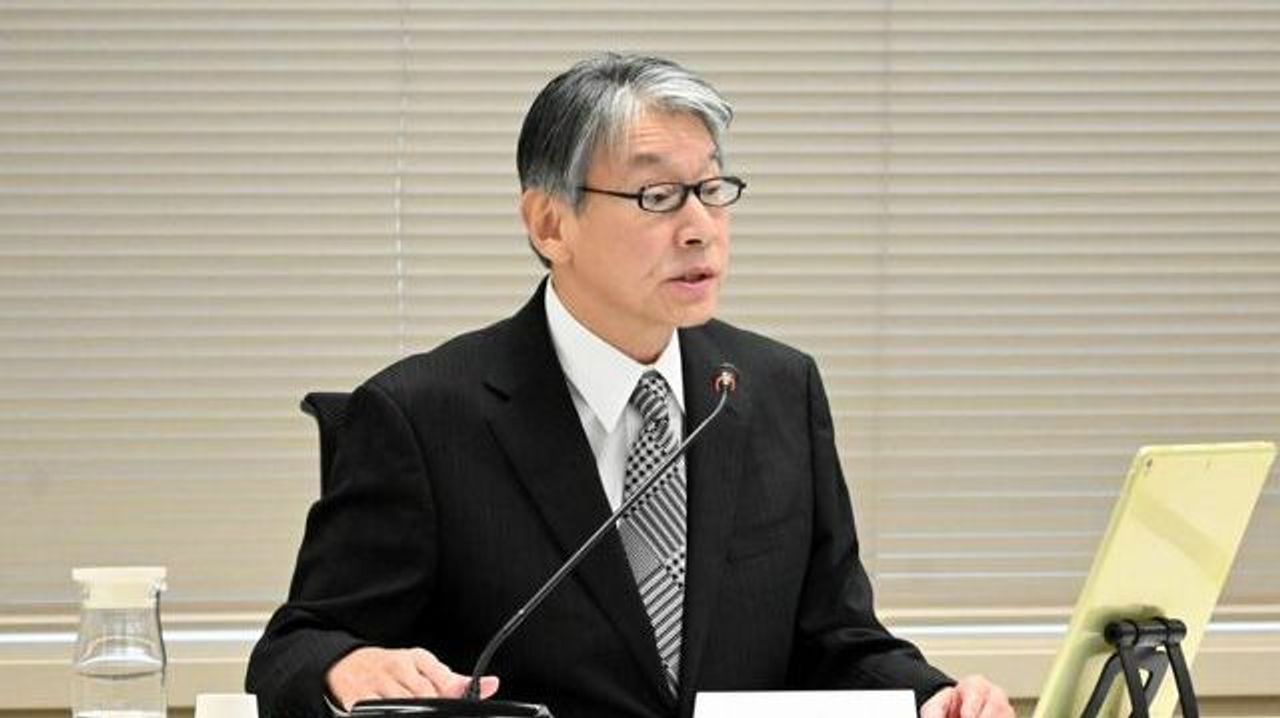
Chairman Shinsuke Yamanaka called the situation 深刻 (shinkoku - serious, grave), accusing the company of 捏造 (netsuzou - falsification or fabrication) of safety data. He didn’t wait for Chubu Electric’s internal findings, instead pushing for independent action. This 停止 (teishi - suspension or halt) means the 見通し (mitooshi - outlook or prospect) for restarting the plant is bleak, with delays stretching far into the future. For learners like you, this isn’t just news—it’s a window into how Japan prioritizes safety over convenience.
Cultural Context: Why Nuclear Safety Hits Deep
Japan’s relationship with nuclear energy is layered with caution, shaped by history and geography. The Hamaoka plant sits near the Nankai Trough, a tectonic hotspot prone to devastating earthquakes, earning it a reputation as one of the world’s most dangerously located nuclear facilities. After the 2011 Fukushima disaster, public trust in nuclear power plummeted, and regulations tightened drastically. Today, any hint of data 捏造 (netsuzou - falsification) isn’t just a technical issue—it’s a betrayal of societal values like trust and accountability, which are cornerstones of Japanese culture.
This cultural lens explains the swift and decisive 停止 (teishi - suspension) by the authorities. In a country where natural disasters are a constant reality, safety isn’t negotiable. It’s a reminder that learning Japanese isn’t just about words—it’s about understanding the “why” behind the language, like why terms tied to safety carry such emotional and ethical weight.
Learn Japanese from This Article
Let’s turn this news into a learning opportunity. Here, you’ll find key vocabulary straight from the story, plus grammar patterns that mirror how Japanese is taught in Japan—not through Western shortcuts, but with real context. These are terms and structures you’d hear in news reports or serious discussions, giving you a taste of authentic usage.
Key Vocabulary
| Japanese | Romaji | Meaning |
|---|---|---|
| 基準地震動 | kijun jishindou | standard earthquake motion |
| 再稼働 | saikadou | restart (of operations) |
| 審査 | shinsa | examination, review |
| 捏造 | netsuzou | fabrication, falsification |
| 深刻 | shinkoku | serious, grave |
| 停止 | teishi | suspension, halt |
| 見通し | mitooshi | outlook, prospect |
Grammar Spotlight: 〜に向けた (Aimed at, Directed Toward)
This pattern, 〜に向けた (ni muketa), is often used to describe actions or efforts directed toward a goal or purpose. It’s common in formal or news contexts, like discussions of policy or planning.
- Structure: Noun + に向けた + Noun/Action
- Example 1: 安全確保に向けた対策を強化した。(Anzen kakuho ni muketa taisaku o kyouka shita.
- Strengthened measures aimed at ensuring safety.)
- Example 2: 再稼働に向けた審査が停止された。(Saikadou ni muketa shinsa ga teishi sareta.
- The review aimed at restarting was suspended.)
- When to Use: Use this to express purpose or direction, especially in formal writing or speech about initiatives or efforts.
Grammar Spotlight: 〜する方針を決めた (Decided on a Policy to ~)
The structure 〜する方針を決めた (suru houshin o kimeta) is a formal way to express a decision or policy direction, often used in news about organizations or authorities.
- Structure: Verb (dictionary form) + する方針を決めた
- Example 1: 独立した調査をする方針を決めた。(Dokuritsu shita chousa o suru houshin o kimeta.
- Decided on a policy to conduct an independent investigation.)
- Example 2: 審査を停止する方針を決めた。(Shinsa o teishi suru houshin o kimeta.
- Decided on a policy to suspend the review.)
- When to Use: Perfect for reporting decisions or plans in a formal tone, often in business or governmental contexts.
Continue Learning
Ready to build on what you’ve learned here? Check out these lessons to deepen your understanding of Japanese grammar and vocabulary:
- Wa vs. Ga: Emphasizing Importance in Sentences: Curious about the Japanese used here? Our Wa vs. Ga: Emphasizing Importance in Sentences lesson covers this in depth.
- Ni, De, and E: Mapping Directions and Locations: To understand more about に, explore our Ni, De, and E: Mapping Directions and Locations lesson.
- Vocabulary Through Kanji Compounds: Lego-Like Word Building: Working on your reading skills? Our Vocabulary Through Kanji Compounds: Lego-Like Word Building lesson is a great next step.
Learning Japanese the way it’s taught in Japan means connecting language to real-world contexts like this. Keep exploring, and you’ll see how every news story becomes a chance to grow.
これからもよろしくお願いします。 Kore kara mo yoroshiku onegaishimasu.