
Earthquake in Shimane: A Reminder of Japan's Seismic Reality
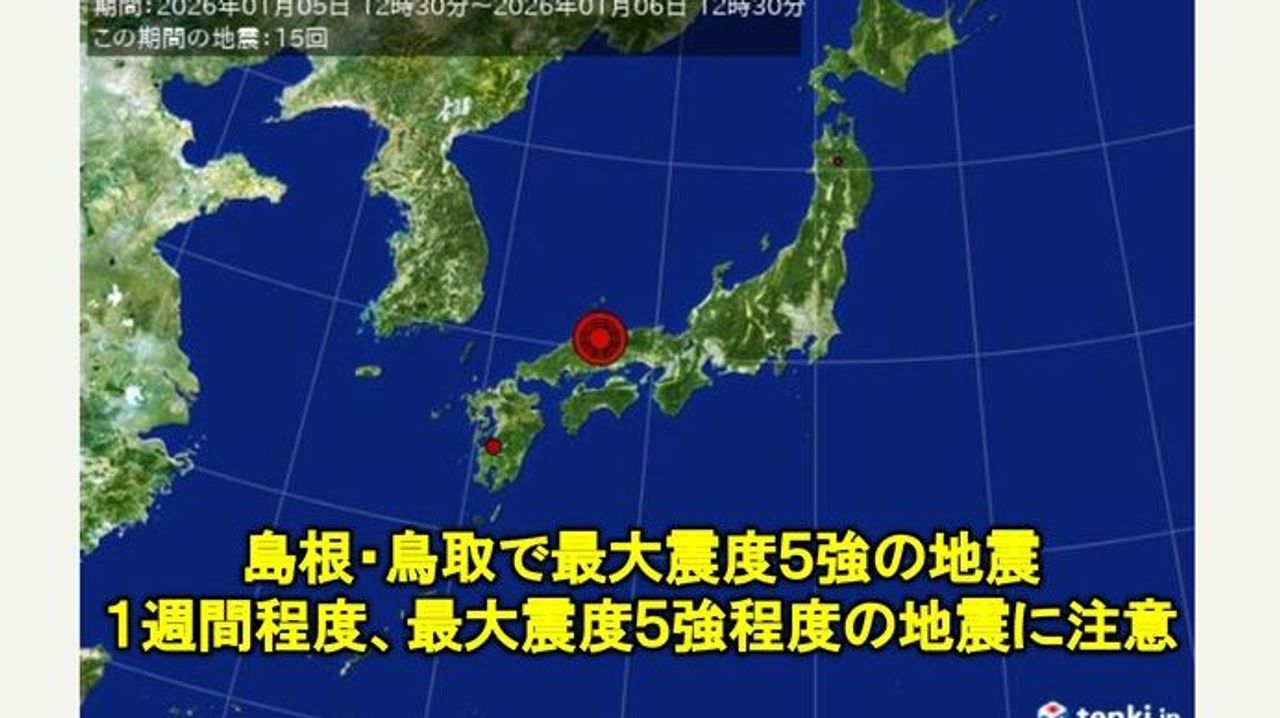
Have you ever wondered how Japanese people live with the constant possibility of earthquakes? On January 6, 2001, at 10:18 AM, a powerful 地震 (jishin, earthquake) struck eastern 島根県 (Shimane-ken, Shimane Prefecture), registering a maximum intensity of 震度5強 (shindo go-kyou, seismic intensity 5-strong). This event wasn’t just a jolt in the ground—it’s a window into Japan’s unique relationship with natural disasters and a chance for you to learn authentic Japanese as it’s used in real-life situations like these. Let’s dive into the details of this quake and uncover some language lessons along the way.
The Shimane Earthquake: What Happened?
In the quiet rural region of eastern 島根県 (Shimane-ken), a significant 地震 (jishin) shook the ground with an intensity of 震度5強 (shindo go-kyou). This level on Japan’s seismic scale is strong enough to cause damage—think furniture toppling or walls cracking. The 震源 (shingen, epicenter) was located in the region, and the 気象庁 (Kishouchou, Japan Meteorological Agency) quickly issued warnings about potential aftershocks. They noted a 可能性 (kanousei, possibility) of further 揺れ (yure, shaking) within a week, urging residents to exercise 注意 (chuui, caution). Historical data from the area even suggests that stronger quakes could follow, making preparedness a top priority.
Cultural Context: Living with Earthquakes in Japan
If you’ve ever followed Japanese news or dramas, you’ve likely heard the term 震度 (shindo, seismic intensity) thrown around during disaster reports. Unlike the Richter scale, which measures an earthquake’s raw energy, Japan’s 震度 scale focuses on how much shaking is felt in specific areas, ranging from 0 (barely noticeable) to 7 (devastating). This reflects Japan’s practical, people-centered approach to disasters, honed over centuries of living on the Pacific Ring of Fire. For Japanese people, earthquakes aren’t just news—they’re part of life. From childhood, they participate in drills, keep emergency kits ready, and stay alert to warnings from the 気象庁 (Kishouchou).
Understanding terms like 震度5強 (shindo go-kyou) isn’t just about vocabulary; it connects you to the lived reality of Japanese society. When the 気象庁 issues a warning, it’s broadcast everywhere—TV, radio, even mobile alerts—using precise, formal language to ensure everyone understands the urgency. For learners like you, tuning into these announcements is a fantastic way to hear authentic Japanese in action.
Learn Japanese from This Article
Let’s turn this real-world event into a learning opportunity. Below, you’ll find key vocabulary, grammar patterns, and expressions pulled straight from the context of earthquakes and disaster reporting. These are words and structures you’d encounter in Japanese news or conversations during such events.
Key Vocabulary
| Japanese | Romaji | Meaning |
|---|---|---|
| 地震 | jishin | earthquake |
| 震度 | shindo | seismic intensity |
| 気象庁 | Kishouchou | Japan Meteorological Agency |
| 注意 | chuui | caution, attention |
| 揺れ | yure | shaking, tremor |
| 震源 | shingen | epicenter |
| 可能性 | kanousei | possibility, potential |
Grammar Spotlight
Here are two useful grammar patterns that often appear in news reports or warnings about natural disasters. Mastering these will help you understand formal announcements and express nuanced ideas.
1. 〜とともに (~to tomo ni): Together with, Along with
This structure is used to describe two things happening simultaneously or in connection with each other. It’s often seen in formal or written Japanese, like news reports.
- Structure: Noun/Verb (dictionary form) + とともに
Examples:
- 地震とともに、津波の警報が出た。 (Jishin to tomo ni, tsunami no keihou ga deta.) - Along with the earthquake, a tsunami warning was issued.
- 注意とともに、避難の準備をした。 (Chuui to tomo ni, hinan no junbi o shita.) - Together with caution, we prepared for evacuation.
When to Use: Use this to connect related events or actions, especially in formal contexts like disaster updates.
2. 〜可能性もある (~kanousei mo aru): There is also a possibility that...
This pattern expresses a potential outcome, often used in warnings or predictions to indicate uncertainty but concern.
- Structure: Verb (dictionary form)/Noun + 可能性もある
Examples:
- 強い揺れが続く可能性もある。 (Tsuyoi yure ga tsuzuku kanousei mo aru.) - There is also a possibility that strong shaking will continue.
- 津波が来る可能性もあるので、注意してください。 (Tsunami ga kuru kanousei mo aru node, chuui shite kudasai.) - There is also a possibility that a tsunami could come, so please be cautious.
When to Use: Perfect for expressing potential risks or outcomes, especially in serious situations like disaster warnings.
Useful Expression
One phrase you’ll hear often in disaster contexts is 注意してください (chuui shite kudasai), meaning "please be cautious" or "please pay attention." It’s a polite yet urgent way to warn someone, often used by authorities or in public announcements.
Continue Learning
Ready to build on what you’ve learned here? Check out these lessons to deepen your understanding of Japanese grammar and expressions:
- Time and Dates: Tense-Free Expressions: Ready to dive deeper? Our lesson on Time and Dates: Tense-Free Expressions will help you master these concepts.
- Ni, De, and E: Mapping Directions and Locations: Ready to dive deeper? Our lesson on Ni, De, and E: Mapping Directions and Locations will help you master these concepts.
Learning Japanese isn’t just about words and grammar—it’s about connecting with the culture and real-life experiences of Japanese people. Keep exploring with us, and you’ll discover how rewarding this journey can be.
これからもよろしくお願いします。 Kore kara mo yoroshiku onegaishimasu.