
Hamaoka Nuclear Plant Scandal: Learn Japanese from Real News
If you've ever wondered how real-world events in Japan can deepen your understanding of the language, today’s story is a perfect example. On January 5, 2001, a troubling revelation came to light about the Hamaoka Nuclear Power Plant in Shizuoka Prefecture. Chubu Electric Power Company admitted to potential misconduct in safety assessments, raising questions about trust and safety in Japan's nuclear industry. Beyond the headlines, this story offers a unique chance to learn authentic Japanese—the way it’s used in news and daily life. Let’s dive into the details, uncover cultural insights, and pick up some key vocabulary and grammar along the way.
The Hamaoka Nuclear Power Plant Controversy
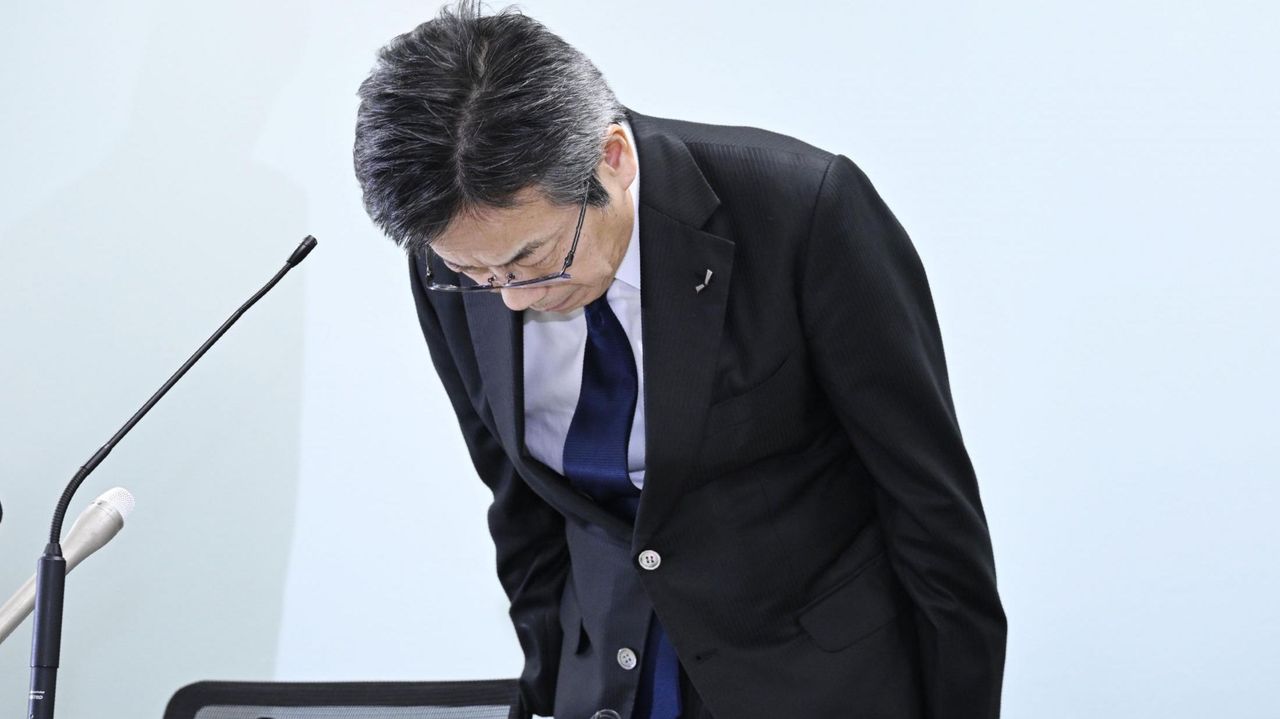
Chubu Electric Power Company recently disclosed "inappropriate actions" during the safety review process for restarting the No. 3 and No. 4 reactors at the Hamaoka Nuclear Power Plant. The issue revolves around the possibility that the company underestimated the 基準地震動 (kijun jishindou), or standard seismic motion, which serves as a critical benchmark for 耐震設計 (taishin sekkei)—earthquake-resistant design. This isn’t just a technical glitch; it suggests a potential breach of trust in an industry where safety is paramount.
The 原子力規制委員会 (Genshiryoku Kisei Iinkai), or Nuclear Regulation Authority (NRA), has taken this seriously, labeling the incident as potential "misconduct" or 不適切 (futekisetsu) behavior. As a result, the review process for the reactors was suspended after December 22, 2025, with further discussions planned for January 7. This delay in 再稼働 (saikadou), or restart of the reactors, could impact energy supply in the region while reigniting public concerns about the safety of 原発 (genpatsu)—nuclear power plants—in a country prone to earthquakes.
Cultural Context: Nuclear Safety and Trust in Japan
In Japan, nuclear energy is a deeply sensitive topic, especially after the 2011 Fukushima Daiichi disaster. The Hamaoka plant, located in an area at high risk for major earthquakes, has long been a focal point of public anxiety. The concept of 耐震設計 (taishin sekkei), or earthquake-resistant design, isn’t just a technical term—it’s a reflection of Japan’s national priority to protect its people from natural disasters. When trust in such safety measures is shaken, as with this 不適切事案 (futekisetsu jian)—an inappropriate incident—it sparks intense debate about whether nuclear power can ever be truly safe here.
Moreover, the role of 規制 (kisei), or regulation, and 審査 (shinsa), or examination, by bodies like the NRA shows Japan’s post-Fukushima commitment to stricter oversight. For language learners, this isn’t just a news story—it’s a window into how Japanese society balances technological progress with the constant threat of nature, and how terms like these carry heavy cultural weight.
Learn Japanese from This Article
Let’s turn this real-world news into a learning opportunity. Below, you’ll find key vocabulary, grammar patterns, and expressions pulled directly from the context of this story. These are words and structures you’ll encounter in Japanese media and conversations about serious topics like safety and regulation.
Key Vocabulary
| Japanese | Romaji | Meaning |
|---|---|---|
| 原発 | genpatsu | nuclear power plant |
| 再稼働 | saikadou | restart (of operations, esp. reactors) |
| 耐震設計 | taishin sekkei | earthquake-resistant design |
| 基準地震動 | kijun jishindou | standard seismic motion (benchmark) |
| 不適切 | futekisetsu | inappropriate, improper |
| 規制 | kisei | regulation, control |
| 審査 | shinsa | examination, review |
Grammar Spotlight: 〜とみられる and 〜疑いがある
To discuss news stories like this, Japanese often uses expressions that convey speculation or suspicion. Let’s look at two key patterns:
〜とみられる (to mirareru) - "is considered to be" or "is seen as" This pattern is used to report something as an observation or widely held view, often in formal or news contexts.
- Structure: [Verb/Adjective stem] + とみられる
- Examples:
- この問題は不適切とみられる。 (Kono mondai wa futekisetsu to mirareru.) - This issue is considered inappropriate.
- 再稼働が遅れるとみられる。 (Saikadou ga okureru to mirareru.) - The restart is seen as likely to be delayed.
- Usage: Use this when reporting opinions or assessments without stating them as absolute fact.
〜疑いがある (utagai ga aru) - "there is a suspicion/doubt that" This phrase indicates uncertainty or suspicion about a situation, often used in investigations or controversies.
- Structure: [Verb plain form] + 疑いがある
- Examples:
- 基準地震動を低く見積もった疑いがある。 (Kijun jishindou o hikuku mitsumotta utagai ga aru.) - There is a suspicion that the standard seismic motion was underestimated.
- 不適切な行為をした疑いがある。 (Futekisetsu na koui o shita utagai ga aru.) - There is a suspicion that inappropriate actions were taken.
- Usage: Perfect for discussing allegations or ongoing investigations, as seen in this news story.
Useful Expression
A phrase you’ll hear in formal apologies or discussions of misconduct in Japan is 不適切な行為 (futekisetsu na koui), meaning "inappropriate behavior." It’s a polite yet serious way to address wrongdoing, reflecting Japan’s cultural emphasis on accountability.
Continue Learning
Want to dive deeper into the grammar and particles used in this article? Check out these lessons for more insights:
- Wa vs. Ga: Emphasizing Importance in Sentences: Curious about the Japanese used here? Our Wa vs. Ga: Emphasizing Importance in Sentences lesson covers this in depth.
- Ni, De, and E: Mapping Directions and Locations: To understand more about に, explore our Ni, De, and E: Mapping Directions and Locations lesson.
- O and Wo: Marking Objects Without Prepositions: To understand more about を, explore our O and Wo: Marking Objects Without Prepositions lesson.
Closing Thoughts
Learning Japanese through real news like the Hamaoka Nuclear Power Plant story isn’t just about memorizing words—it’s about understanding the cultural and emotional weight behind them. From 原発 (genpatsu) to 不適切 (futekisetsu), you’ve seen how language reflects Japan’s priorities and challenges. Keep practicing with authentic content like this, and you’ll soon find yourself thinking and speaking like a native.
これからもよろしくお願いします。 Kore kara mo yoroshiku onegaishimasu.