
Unboxing a 580-Yen Japanese Lucky Bag: A Winter Surprise!
Have you ever stumbled upon a deal so cheap that you just couldn’t resist? Imagine browsing an online store and finding a winter accessory mystery set for just 580 yen—about $4 USD! That’s exactly what caught the eye of a writer from Rocket News, and today, we’re diving into their experience with a 福袋 (fukubukuro), or “lucky bag,” to uncover not just the surprises inside but also the cultural charm behind this Japanese shopping tradition. Along the way, you’ll pick up authentic Japanese vocabulary and grammar straight from everyday life in Japan.
A Bargain Too Good to Pass Up
Let’s set the scene: a 福袋 (fukubukuro) titled the “Versatile Stylish Warm Accessory 3-Piece Set” pops up on 楽天 (Rakuten), Japan’s go-to e-commerce platform. Priced at an unbelievably お手頃 (otegoro)—meaning affordable—580 yen with free shipping, this lucky bag promised three items: a snood or muffler, a scarf or stole, and a corsage. After a disappointing purchase in the past, the writer made sure to check the contents before clicking “buy.” Even if the corsage seemed like an odd fit for a set meant for 防寒 (boukan)—protection against the cold—the price was too tempting to ignore.
According to the product page, this set once topped the daily lucky bag rankings on 楽天 (Rakuten), with the items supposedly worth between 1,640 and 3,260 yen if sold separately. While the writer wasn’t entirely convinced about that value, the thrill of not knowing the exact designs added to the excitement. It’s this element of chance that makes 福袋 (fukubukuro) so popular in Japan. With a mix of hope and curiosity, they waited to see what would arrive.
What’s Inside the 580-Yen Lucky Bag?
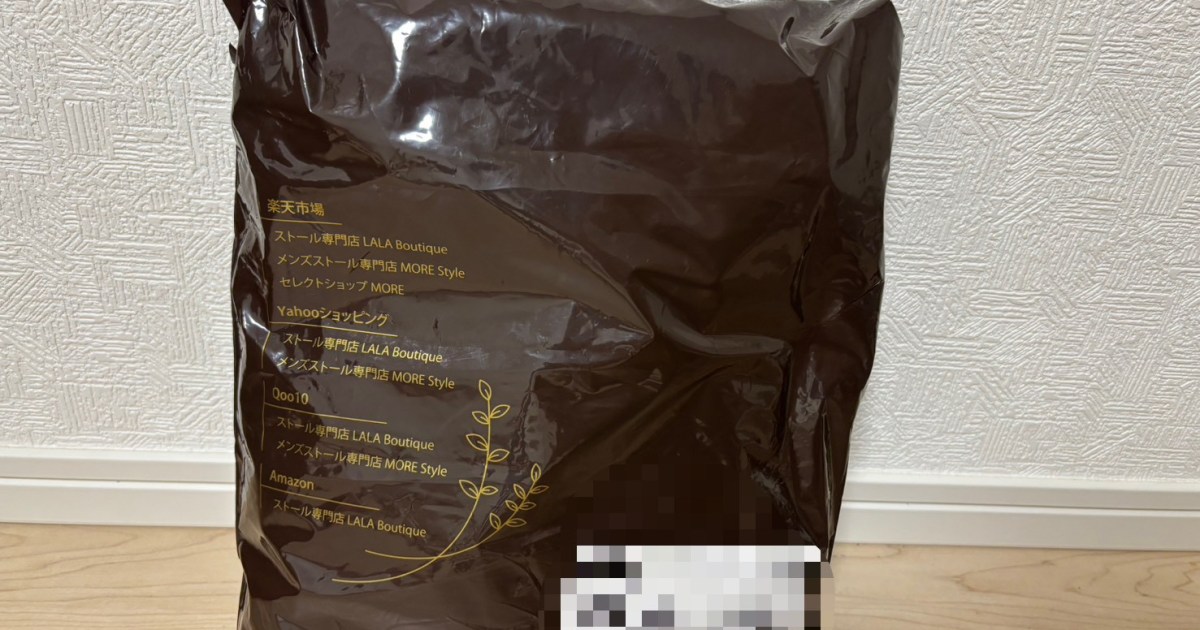
When the package finally showed up, there was no fancy wrapping—just a plain brown plastic bag. But the contents? Let’s unbox the 小物 (komono)—small accessories—inside. First, a brown and beige checkered スヌード (sunūdo), a circular scarf, stood out with its soft, fluffy texture. Labeled as “mocha camel,” it had a slight imported-goods smell, but after airing it out, it became a cozy, easy-to-wear piece for winter. The writer felt this item alone justified the 580-yen price tag.
Next was a salmon-pink ストール (sutōru), a long scarf or stole. It was lightweight and thin, more suited for early spring than harsh winter days. While the color was hard to match with outfits, the writer got creative, turning it into a keyboard cover for their daughter, a fan of the idol group Snow Man. Finally, the コサージュ (kosāju), a gray flower-motif corsage made of yarn, felt out of place in a “warm” set. Still, with pins to attach to clothes or bags, it was a cute bonus.
While this 福袋 (fukubukuro) didn’t have the jaw-dropping impact of pricier lucky bags, the value for money made it a satisfying buy. If you’re looking for affordable winter gear or just the fun of a gamble, deals like this are hard to beat!
Cultural Context: The Magic of Fukubukuro
If you’re new to Japanese culture, the idea of a 福袋 (fukubukuro) might seem a bit strange. These “lucky bags” are a beloved New Year’s tradition in Japan, often sold around January 1st as stores clear out inventory with heavily discounted mystery bundles. The concept traces back to the Edo period (1603–1868), when merchants packaged unsold goods into bargain bags. Today, 福袋 (fukubukuro) come in all forms—from budget sets like this 580-yen one to luxury bags costing thousands of yen, stuffed with anything from gadgets to designer fashion.
The charm lies in the gamble: you might hit the jackpot or end up with items you don’t need. It’s a ritual tied to the Japanese New Year, symbolizing renewal and a fresh start with a sprinkle of luck. Thanks to platforms like 楽天 (Rakuten), these deals aren’t just limited to January anymore, reflecting Japan’s knack for blending tradition with modern online shopping. For language learners, stories like this reveal how Japanese people mix practicality with playful anticipation in everyday life.
Learn Japanese from This Article
Ready to pick up some authentic Japanese from this unboxing adventure? Let’s break down key vocabulary, grammar, and expressions you can use to talk about shopping, winter gear, or even your own 福袋 (fukubukuro) experience.
Key Vocabulary
| Japanese | Romaji | Meaning |
|---|---|---|
| 福袋 | fukubukuro | lucky bag, mystery bag |
| 防寒 | boukan | protection against cold, cold-weather gear |
| 小物 | komono | small items, accessories |
| お手頃 | otegoro | reasonable, affordable |
| スヌード | sunūdo | snood (a type of circular scarf) |
| ストール | sutōru | stole (a long scarf) |
| コサージュ | kosāju | corsage (decorative flower accessory) |
These words are straight from everyday Japanese life. For instance, next time you’re shopping online, look for something お手頃 (otegoro) to describe a good deal!
Grammar Spotlight: 〜てみる and 〜かどうか
Let’s focus on two useful grammar patterns that popped up in the context of this story.
1. 〜てみる: Try Doing Something
This structure is used when you want to “try” doing something to see how it goes. Attach 〜て (te) form of a verb + みる (miru).
- Pattern: Verb (て-form) + みる
- Examples:
- この福袋を買ってみる。 (Kono fukubukuro o katte miru.) - I’ll try buying this lucky bag.
- スヌードを着けてみる。 (Sunūdo o tsukete miru.) - I’ll try wearing the snood.
- 楽天で買い物してみる。 (Rakuten de kaimono shite miru.) - I’ll try shopping on Rakuten.
Use this when experimenting or testing something out, just like the writer did with their purchase.
2. 〜かどうか: Whether or Not
This structure expresses uncertainty about something, often used when wondering or checking a fact. Attach かどうか (ka dou ka) after a verb or adjective in plain form.
- Pattern: Verb/Adjective (plain form) + かどうか
- Examples:
- この福袋がお得かどうかわからない。 (Kono fukubukuro ga otoku ka dou ka wakaranai.) - I don’t know whether this lucky bag is a good deal or not.
- ストールが合うかどうか確認する。 (Sutōru ga au ka dou ka kakunin suru.) - I’ll check whether the stole matches or not.
- 暖かいかどうか試してみる。 (Atatakai ka dou ka tameshite miru.) - I’ll try it to see whether it’s warm or not.
This is perfect for expressing doubt or curiosity, much like the writer wondering about the value of their 福袋 (fukubukuro).
Useful Expression
Here’s a bonus phrase you’ll hear often when shopping or discussing deals in Japan:
- お得かどうか (otoku ka dou ka) - Whether it’s a good deal or not You can use this to ask friends or family about a purchase, just like pondering if a 580-yen set is worth it!
Continue Learning
Want to dive deeper into Japanese grammar and usage? Here are some lessons from “Japanese from Japan” to help you build on what you’ve learned today:
- Wa vs. Ga: Emphasizing Importance in Sentences: Ready to dive deeper? Our lesson on Wa vs. Ga: Emphasizing Importance in Sentences will help you master these concepts.
- Nai Form: Negating Without Auxiliary Words: Want to understand the verb forms used here? Check out Nai Form: Negating Without Auxiliary Words.
- Ni, De, and E: Mapping Directions and Locations: To understand more about に, explore our Ni, De, and E: Mapping Directions and Locations lesson.
Closing
Thanks for joining us on this unboxing journey of a 580-yen 福袋 (fukubukuro)! Whether you’re inspired to hunt for your own lucky bag or just want to chat about affordable 小物 (komono), we hope this glimpse into Japanese shopping culture has sparked your curiosity. Keep practicing, and remember, learning Japanese is all about embracing the surprises along the way.
これからもよろしくお願いします。 Kore kara mo yoroshiku onegaishimasu.