
Unpacking the 2026 Domu Domu Burger Fukubukuro: A Japanese New Year Tradition
Have you ever wondered how a simple burger chain purchase could become a cherished New Year ritual in Japan? As the calendar flipped to January 1, 2026, one dedicated fan, Kohei, embarked on his fifth annual pilgrimage to snag a 福袋 (fukubukuro), or "lucky bag," from ドムドムバーガー (Domu Domu Bāgā), a beloved Japanese fast-food chain. Through his no-nonsense review, shared via Rocket News, you’ll not only get a peek into this quirky tradition but also learn authentic Japanese language and culture the way it’s lived in Japan. Let’s dive into the 2026 福袋 experience and see what makes it worth the hype!
Kohei’s 2026 Fukubukuro Adventure
For Kohei, the New Year isn’t complete without a trip to the Domu Domu Burger at Chiba’s Aeon Kaihin Makuhari mall. In past years, he braced for long 行列 (gyōretsu, queues) snaking through the food court, sometimes waiting up to an hour even 30 minutes after opening. But in 2026, something unexpected happened—he arrived just 10 minutes after opening and found no line at all! Was it pure luck, or does store location matter more than timing in this 争奪戦 (sōdatsusen, battle for) these coveted bags? Either way, Kohei walked away with his prize effortlessly, a rare win in this competitive tradition.
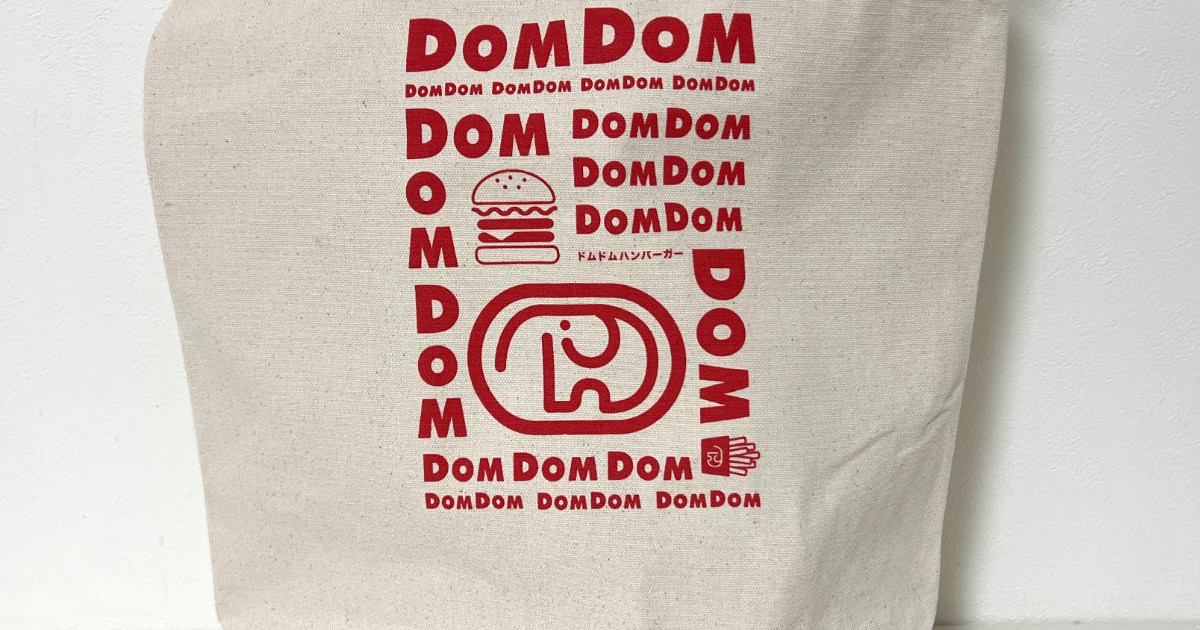
So, what’s inside the 2026 ドムドム新春福袋 (Domu Domu Shinshun Fukubukuro, Domu Domu New Year Lucky Bag) priced at ¥3,300 (tax included)? First, the bag itself is a reusable “original tote,” mimicking Domu Domu’s takeaway design and spacious enough for A4 papers. Then there’s a new addition: a 350ml stainless steel tumbler featuring the 2026 zodiac animal (the horse) and their mascot どむぞうくん (Domuzō-kun), combining cute aesthetics with 実用的 (jitsuyōteki, practical) insulation. A large A2-sized calendar for 2026 also made the cut, packed with lucky days and menu art, plus a bonus logo poster. Finally, the core value: ¥3,000 in 割引券 (waribikiken, discount coupons)—six ¥500 tickets valid until April 30, 2026, though limited to specific stores and not usable for merchandise.
Price Trends and Kohei’s Verdict
Kohei doesn’t just unbox—he crunches the numbers. Over the past four years, the 福袋 price has seen ups and downs due to 値上げ (neage, price increases) and adjustments: ¥3,500 from 2022 to 2024 with mugs and totes, a pricier ¥3,800 summer bag in 2024 with beach sandals, and a bargain ¥3,000 in 2025 with fewer goodies. At ¥3,300, the 2026 bag sits in the middle. With ¥3,000 in coupons, Kohei figures the tumbler, tote, and calendar cost just ¥300 combined—a steal! After five years of this 恒例 (kōrei, customary) purchase, his verdict is clear: “buy.” For him, it’s not just about value; it’s a personal ritual to kick off the year, and he’s already eyeing 2027.
Cultural Context: The Magic of Fukubukuro
If you’re new to Japanese traditions, let’s unpack the cultural weight behind 福袋 (fukubukuro, lucky bag). Dating back to the Edo period, these mystery bags were originally a way for merchants to clear unsold inventory. Today, they’ve 化していた (ka shiteita, had become) a curated New Year event, sold by everyone from high-end department stores to fast-food chains like Domu Domu Burger. Released around January 1st, they often contain items and vouchers worth more than the price, turning shopping into a thrilling gamble. Beyond the deals, 福袋 symbolize renewal and optimism for the year ahead, which is why people brave the winter chill for them. Kohei’s annual quest also embodies 恒例行事 (kōrei gyōji), or cherished yearly rituals, showing how even a fast-food purchase can carry deep personal and cultural meaning in Japan.
Learn Japanese from This Article
Ready to pick up some authentic Japanese from Kohei’s story? Here, we’ve compiled key vocabulary and grammar points straight from the context of 福袋 culture. These are words and patterns you’ll hear in everyday Japan, not just in textbooks.
Key Vocabulary
| Japanese | Romaji | Meaning |
|---|---|---|
| 福袋 | fukubukuro | lucky bag, mystery bag sold at New Year |
| 恒例 | kōrei | customary, annual tradition |
| 値上げ | neage | price increase |
| 行列 | gyōretsu | line, queue |
| 争奪戦 | sōdatsusen | battle for, scramble |
| 実用的 | jitsuyōteki | practical, useful |
| 割引券 | waribikiken | discount coupon, voucher |
Grammar Spotlight: 〜化していた and 〜てしまう
Let’s break down two grammar patterns that capture the nuances of Kohei’s experience and Japanese storytelling.
1. 〜化していた (ka shiteita): Had become, had turned into
- Structure: Verb stem + 化する (to transform into) + ていた (past progressive)
- Usage: Describes something that had changed into a certain state or condition by a specific point in the past.
- Examples:
- 福袋は現代では特別なイベント化していた。 (Fukubukuro wa gendai dewa tokubetsu na ibento ka shiteita.) - Fukubukuro had become a special event in modern times.
- その店は観光地化していた。 (Sono mise wa kankōchi ka shiteita.) - That shop had turned into a tourist spot.
- Why it matters: This pattern helps you talk about cultural or social shifts over time, a common theme when discussing traditions like 福袋.
2. 〜てしまう (te shimau): To end up doing, to finish completely (often with regret or unexpectedly)
- Structure: Verb te-form + しまう
- Usage: Adds a sense of completion or unintended consequence to an action, often with a tinge of regret or surprise.
- Examples:
- 行列に並ばなくて福袋を買ってしまった。 (Gyōretsu ni narabanakute fukubukuro o katte shimatta.) - I ended up buying the lucky bag without lining up.
- 割引券を使うのを忘れてしまった。 (Waribikiken o tsukau no o wasurete shimatta.) - I ended up forgetting to use the discount coupon.
- 全部食べてしまった。 (Zenbu tabete shimatta.) - I ended up eating everything.
- Why it matters: This pattern is super common in casual speech, letting you express surprise or unintended outcomes—like Kohei’s shock at finding no line!
Useful Expression
Here’s a phrase you’ll hear around New Year’s shopping:
- お買い得だね! (Okaidoku da ne!) - What a good deal! Use this when you spot a bargain, whether it’s a 福袋 or something else. It’s a natural way to comment on value in Japanese.
Continue Learning
Want to build on what you’ve learned here? Check out these lessons to deepen your understanding of Japanese as it’s used in real-life contexts:
- Time and Dates: Tense-Free Expressions: Curious about the Japanese used here? Our Time and Dates: Tense-Free Expressions lesson covers this in depth.
- Ni, De, and E: Mapping Directions and Locations: Ready to dive deeper? Our lesson on Ni, De, and E: Mapping Directions and Locations will help you master these concepts.
- Wa vs. Ga: Emphasizing Importance in Sentences: Ready to dive deeper? Our lesson on Wa vs. Ga: Emphasizing Importance in Sentences will help you master these concepts.
これからもよろしくお願いします。 Kore kara mo yoroshiku onegaishimasu.