
Amazon Japan’s New Year Sale: Unbeatable Deals on Cup Noodles!
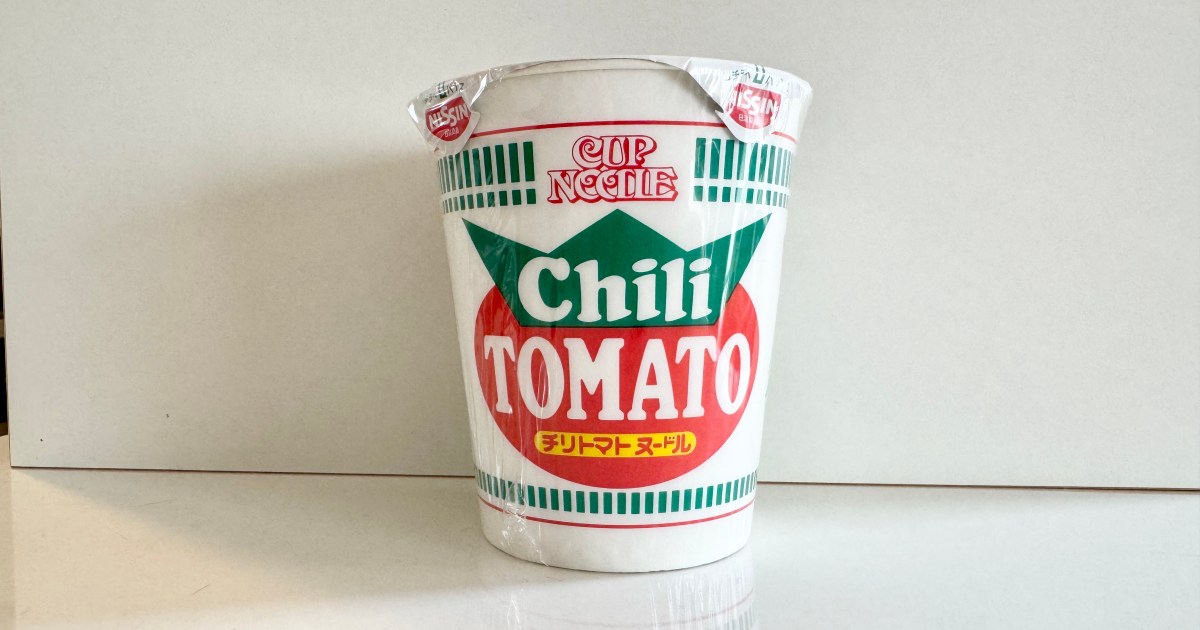
Imagine stumbling upon a deal so incredible it feels like you’ve hit the jackpot while browsing an online marketplace in Japan. On January 3, 2026, Amazon Japan launched its 初売りスマイルSALE (Hatsuri Sumairu Seeru), a massive New Year discount event that has shoppers buzzing with excitement. Among the standout bargains? A 20-pack of 日清カップヌードル チリトマト (Nisshin Kappu Nuudoru Chiri Tomato), Nisshin’s Chili Tomato Cup Noodles, priced at just 135 yen per cup—a steal at 2,709 yen for the entire set. If you’ve ever wondered how Japanese consumers hunt for value, this sale offers a perfect glimpse into modern shopping culture in Japan. Let’s dive into the details and uncover some language lessons along the way!
Amazon’s Hatsuri Smile SALE: A Bargain Bonanza
Amazon Japan’s 初売り (hatsuri), or New Year’s first sale, is all about ringing in the year with unbeatable 特別価格 (tokubetsu kakaku), meaning special prices, on popular items. Kicking off on January 3, this event features daily deals across categories like food, beverages, apparel, and more. On January 5, the spotlight was on the 日清食品 (Nisshin Shokuhin), or Nisshin Foods, Chili Tomato カップヌードル (Kappu Nuudoru) set. At 135 yen per 76g cup with a 10% 割引率 (waribikiritsu), or discount rate, this 20-pack became a 目玉商品 (medama shouhin), a featured item that shoppers couldn’t resist.
But the deals don’t stop there. Other steals included a 5-pack of 青の洞窟 (Ao no Doukutsu), or "Blue Grotto," pasta sauce, slashed by 49% to just 927 yen. With 33 厳選 (gensen), or carefully selected, items featured in the sale, from pantry staples to fashion finds, there’s a real risk of items reaching 完売 (kanbai), meaning sold out, in no time. This event captures the thrill of seasonal shopping in Japan, and it’s a fantastic opportunity to learn the language of sales and deals!
Cultural Context: Convenience and Value in Japanese Life
If you’re new to Japanese culture, you might be surprised to learn that instant noodles like カップヌードル (Kappu Nuudoru) are more than just a quick snack—they’re a way of life. Invented in 1971 by Momofuku Ando, the founder of Nisshin Foods, Cup Noodles revolutionized on-the-go eating, perfectly matching Japan’s fast-paced lifestyle and deep-rooted love for convenience. The Chili Tomato flavor, with its tangy twist, shows how brands adapt to modern tastes while staying true to their innovative roots.
Sales like Amazon’s 初売り (hatsuri) also tap into another cultural trait: the Japanese knack for finding value. Seasonal sales, especially around New Year, hold special significance as they align with the tradition of starting fresh—whether that means decluttering your space, setting new goals, or stocking up on essentials at a discount. These events also highlight how e-commerce giants like Amazon are shaping consumer habits in Japan, blending practicality with the small joys of everyday life, like savoring a warm cup of noodles on a hectic day.
Learn Japanese from This Article
Let’s turn this exciting news into a learning opportunity! Below, you’ll find key vocabulary, grammar patterns, and useful expressions inspired by the Amazon sale. These are terms and structures you’d encounter in real Japanese conversations or while shopping online in Japan.
Key Vocabulary
| Japanese | Romaji | Meaning |
|---|---|---|
| 初売り | hatsuri | New Year's first sale |
| 特別価格 | tokubetsu kakaku | special price |
| カップヌードル | kappu nuudoru | Cup Noodle |
| 割引率 | waribikiritsu | discount rate |
| 目玉商品 | medama shouhin | highlight product, featured item |
| 完売 | kanbai | sold out |
| 厳選 | gensen | careful selection |
Grammar Spotlight: 〜より (from) and 〜など (and so on, etc.)
〜より (yori): This particle is used to indicate a starting point, often for time or place. It’s perfect for talking about when events like sales begin.
- 初売りは1月3日より始まります。 (Hatsuri wa ichigatsu mikka yori hajimarimasu.) "The New Year sale starts from January 3."
- このセールは午前9時より参加できます。 (Kono seeru wa gozen kuji yori sanka dekimasu.) "You can participate in this sale from 9 a.m."
Use 〜より when you want to specify the starting point of an event or action. It’s commonly seen in formal announcements or schedules.
〜など (nado): This means "and so on" or "etc." and is used to list examples without being exhaustive. It’s a handy way to mention categories or items casually.
- セールでは食品や飲料などがあります。 (Seeru de wa shokuhin ya inryou nado ga arimasu.) "In the sale, there are items like food, beverages, and so on."
- カップヌードルやパスタソースなど、目玉商品がたくさんあります。 (Kappu Nuudoru ya pasuta soosu nado, medama shouhin ga takusan arimasu.) "There are many featured items, such as Cup Noodles, pasta sauce, and so on."
Use 〜など to sound natural when listing things in conversation, especially when you don’t need to name every single item.
Useful Expression
Here’s a phrase you’ll hear often during sales or shopping in Japan: お買い得です! (Okaidoku desu!) - "What a great deal!" This expression is perfect for expressing excitement over a bargain. You might hear store clerks or see it in ads during events like the 初売り (hatsuri).
Continue Learning
Ready to expand your Japanese skills even further? Check out these lessons to master foundational concepts and dive deeper into the language:
- Greetings and Self-Introductions: Authentic Entry Phrases: Ready to dive deeper? Our lesson on Greetings and Self-Introductions: Authentic Entry Phrases will help you master these concepts.
- Ni, De, and E: Mapping Directions and Locations: Want to learn more about に? Check out our lesson on Ni, De, and E: Mapping Directions and Locations.
- Wa vs. Ga: Emphasizing Importance in Sentences: To understand more about は, explore our Wa vs. Ga: Emphasizing Importance in Sentences lesson.
これからもよろしくお願いします。 Kore kara mo yoroshiku onegaishimasu.