
North Korea Missile Launch: A Real-World Japanese News Lesson
Have you ever flipped through Japanese news and felt overwhelmed by unfamiliar terms or formal language? If so, you're not alone. Japanese news often dives into complex topics like geopolitics, using vocabulary and structures you won't find in casual conversation. Today, we're breaking down a real headline from Japan's Ministry of Defense about North Korea's recent missile launches. Not only will you get a glimpse into a pressing regional issue, but you'll also learn authentic Japanese—the way it's used in official statements and public discourse. Let's dive in and turn this news story into a language lesson!
Breaking News: North Korea's Missile Launch
On January 4, 2001, Japan's 防衛省 (bōeishō, Ministry of Defense) made a startling announcement: North Korea had conducted at least two 弾道ミサイル (dandō misairu, ballistic missile) launches from near its western coast into the 日本海 (Nihonkai, Sea of Japan). The 発射 (hassha, launch or firing) occurred around 7:54 AM and 8:05 AM, sending waves of concern through the region. Fortunately, the missiles landed outside Japan's 排他的経済水域 (haitateki keizai suiiki, Exclusive Economic Zone or EEZ), and there was no reported 被害 (higai, damage or harm) to ships or other assets.
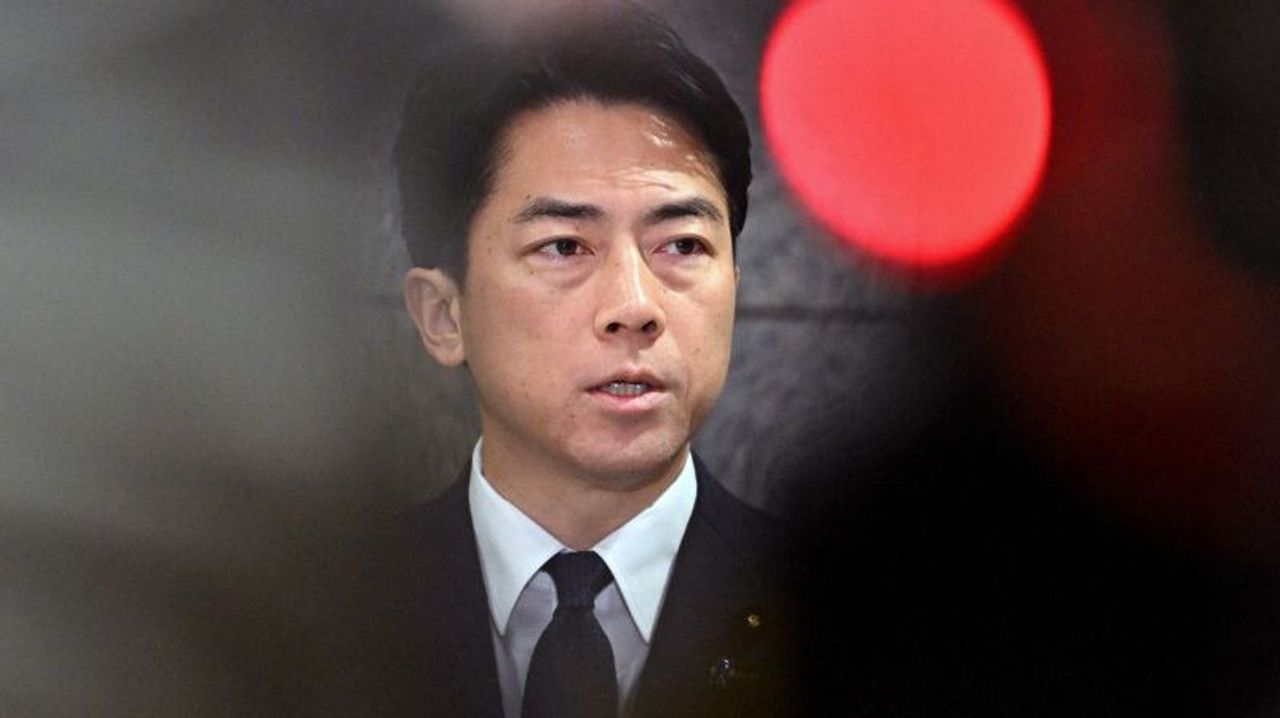
Defense Minister Shinjiro Koizumi addressed the press, noting the unusual nature of the missiles' 飛翔 (hishō, flight or flying). He stated there was a possibility of an irregular trajectory, a detail that highlights the ongoing analysis by Japanese authorities. While this event didn't pose an immediate threat, it underscores the delicate geopolitical situation in East Asia—a topic that frequently shapes Japanese news.
Cultural Context: Japan and North Korea
To fully grasp this news, it's important to understand the historical and political backdrop. Japan and North Korea have no formal diplomatic relations, and their history is marked by tension, largely due to Japan's colonial rule over the Korean Peninsula from 1910 to 1945. North Korea's missile tests are often viewed as provocative, especially since they occur near the 日本海 (Nihonkai, Sea of Japan), a critical area for Japan's maritime interests. The mention of the 排他的経済水域 (haitateki keizai suiiki, Exclusive Economic Zone) also reflects Japan's focus on protecting its maritime boundaries and resources—a concept often discussed in political and economic contexts.
For Japanese learners, recognizing these terms isn't just about vocabulary; it's about connecting to the real-world issues that matter to native speakers. News like this isn't just a headline—it's a window into the concerns, history, and values that shape Japanese society.
Learn Japanese from This Article
Let's turn this news story into a practical language lesson. Below, you'll find key vocabulary, grammar patterns, and expressions that will help you navigate similar topics in Japanese—whether you're reading the news or discussing current events.
Key Vocabulary
| Japanese | Romaji | Meaning |
|---|---|---|
| 防衛省 | bōeishō | Ministry of Defense |
| 弾道ミサイル | dandō misairu | ballistic missile |
| 発射 | hassha | launch, firing |
| 排他的経済水域 | haitateki keizai suiiki | Exclusive Economic Zone (EEZ) |
| 日本海 | Nihonkai | Sea of Japan |
| 被害 | higai | damage, harm |
| 飛翔 | hishō | flight, flying |
These words are common in news reports about security and geopolitics. Practice them by reading Japanese news articles or listening to NHK broadcasts—you'll hear them often!
Grammar Spotlight
Let's focus on two grammar patterns that appeared in this news context. These structures are essential for understanding formal announcements and discussions in Japanese.
1. 〜と発表した (to happyō shita) - "announced that..."
- Structure: [Statement/Quote] + と + 発表した
- Usage: Used in formal contexts like news reports to indicate what someone (often an authority) has announced or stated.
Examples:
- 防衛省はミサイルが発射されたと発表した。 (Bōeishō wa misairu ga hassha sareta to happyō shita.) The Ministry of Defense announced that a missile was launched.
- 被害はないと発表した。 (Higai wa nai to happyō shita.) They announced that there was no damage.
- 異常な軌道である可能性があると発表した。 (Ijō na kidō de aru kanōsei ga aru to happyō shita.) They announced that there is a possibility of an irregular trajectory.
This pattern is a staple in Japanese news. You'll see it whenever officials or organizations make public statements.
2. 〜可能性がある (kanōsei ga aru) - "there is a possibility that..."
- Structure: [Statement/Verb in dictionary form] + 可能性がある
- Usage: Used to express uncertainty or likelihood, often in analytical or speculative contexts like news or research.
Examples:
- 異常な軌道を飛んだ可能性がある。 (Ijō na kidō o tonda kanōsei ga aru.) There is a possibility that it flew on an irregular trajectory.
- 被害が出る可能性がある。 (Higai ga deru kanōsei ga aru.) There is a possibility that damage could occur.
- また発射する可能性がある。 (Mata hassha suru kanōsei ga aru.) There is a possibility that they will launch again.
This phrase is incredibly useful for discussing hypotheticals or uncertainties, which are common in news analysis.
Useful Expression
- 被害はない (higai wa nai) - "there is no damage" This is a straightforward way to report the absence of harm or impact, often used in official statements. Notice how は (wa) emphasizes the topic (damage) here. If you're curious about this nuance, check out a related lesson below!
Continue Learning
Want to deepen your understanding of the grammar and particles used in this article? Here are some lessons from "Japanese from Japan" to help you master these concepts:
- Wa vs. Ga: Emphasizing Importance in Sentences: Want to learn more about は? Check out our lesson on Wa vs. Ga: Emphasizing Importance in Sentences.
- Ni, De, and E: Mapping Directions and Locations: Ready to dive deeper? Our lesson on Ni, De, and E: Mapping Directions and Locations will help you master these concepts.
- Nai Form: Negating Without Auxiliary Words: Want to understand the verb forms used here? Check out Nai Form: Negating Without Auxiliary Words.
Closing Thoughts
By exploring real Japanese news like this missile launch story, you're not just learning words and grammar—you're stepping into the mindset of native speakers and understanding the issues that shape their world. Keep practicing with authentic materials, and you'll find yourself picking up nuances that textbooks often miss. We're here to guide you every step of the way at "Japanese from Japan." これからもよろしくお願いします。 (Kore kara mo yoroshiku onegaishimasu.)