
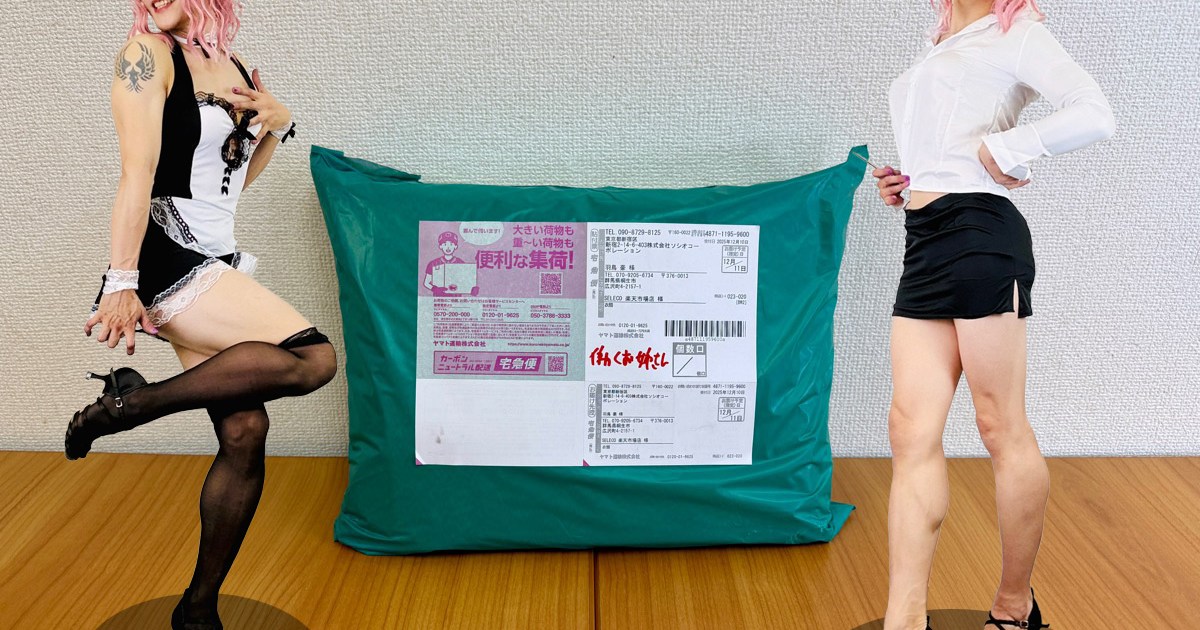
Unpacking the Quirky "Cosplay Working Ladies" Fukubukuro from Rakuten
Have you ever stumbled upon something so uniquely Japanese that it just begs for a deeper dive? If you’ve been exploring Japanese online shopping or pop culture, you might have come across a fascinating item on Rakuten Market: a 福袋 (fukubukuro), or "lucky bag," themed around "cosplay working ladies." Yes, it’s as intriguing as it sounds! This mystery bag offers a peek into a niche corner of Japanese culture, blending tradition with modern quirks. Let’s unpack this find and see what it teaches us about Japan—and the language itself.
What’s Inside the "Cosplay Working Ladies" Fukubukuro?
Priced at just 3,980 yen, this 福袋 (fukubukuro) is a steal with 10 items packed inside—five costumes and five 小物 (komono), or accessories. That’s roughly 398 yen per piece! Marketed as 働くお姉さん (hataraku oneesan), which translates to "working older sister," the theme reimagines professional women’s outfits through the playful lens of コスプレ (kosupure), or cosplay. Picture office ladies or nurses with a costume twist. What’s more, this bag has apparently clinched the top spot in Rakuten’s rankings in the past, showing its 人気 (ninki), or popularity, among shoppers. It’s a quirky gamble that has clearly won over many curious buyers.
Cultural Context: The Magic of Fukubukuro and Cosplay in Japan
If you’re new to the concept, 福袋 (fukubukuro) are a cherished New Year tradition in Japan. Stores and online platforms like Rakuten offer these "lucky bags" filled with mystery items at discounted prices. It’s a bit of a lottery—you might get amazing treasures or something completely unexpected, but that’s the thrill! This tradition taps into the Japanese love for surprise and anticipation, often tied to starting the year with a sense of luck and excitement.
Then there’s the cosplay element. コスプレ (kosupure), short for "costume play," is a huge subculture in Japan, where people dress as characters from anime, games, or even everyday roles like the 働くお姉さん (hataraku oneesan). This phrase, combining 働く (hataraku), meaning "to work," and お姉さん (oneesan), a polite term for "older sister" or a young woman, carries a mix of respect and playful fantasy. It often reflects societal admiration for professional women, blended with an idealized charm. Merging this concept with a 福袋 (fukubukuro) creates a unique product that celebrates both mystery and transformation—a true snapshot of modern Japanese culture.
Learn Japanese from This Article
This quirky shopping find isn’t just a fun story; it’s also a goldmine for learning authentic Japanese. From the words used to market these bags to the cultural nuances behind the terms, let’s break down some key vocabulary and grammar you can pick up right now.
Key Vocabulary
| Japanese | Romaji | Meaning |
|---|---|---|
| 福袋 | fukubukuro | lucky bag, mystery bag (often for New Year) |
| コスプレ | kosupure | cosplay, costume play |
| 働く | hataraku | to work |
| お姉さん | oneesan | older sister, or polite term for a young woman |
| 小物 | komono | accessories, small items |
| 人気 | ninki | popular, popularity |
| 獲得 | kakutoku | acquisition, gaining |
Grammar Spotlight: 〜らしい (Seems Like, Apparently)
One useful grammar pattern you’ll hear a lot in Japanese conversations is 〜らしい (~rashii), which means "seems like" or "apparently." It’s often used to report something you’ve heard or to express a sense of speculation.
- Pattern: Verb (plain form) / Noun + らしい
- Usage: Used to convey information that isn’t confirmed but seems likely based on what you’ve heard or observed.
Examples:
- この福袋は人気があるらしい。 (Kono fukubukuro wa ninki ga aru rashii.) Apparently, this lucky bag is popular.
- 彼女は働くお姉さんらしいね。 (Kanojo wa hataraku oneesan rashii ne.) She seems like a working older sister, doesn’t she?
- 去年も一位を獲得したらしいよ。 (Kyonen mo ichi-i o kakutoku shita rashii yo.) Apparently, it clinched the top spot last year too.
This pattern is super handy for casual conversations, especially when discussing rumors or impressions—perfect for chatting about something like a trending 福袋 (fukubukuro)!
Useful Expression: 〜って (Casual Quotation or Topic Marker)
Another common spoken pattern is 〜って (~tte), which acts as a casual quotation marker or a way to bring up a topic. It’s often used in informal settings to report what someone said or to highlight something.
- Pattern: Word/Phrase + って
- Usage: Can mean "they said" or just casually introduce a topic.
Examples:
- この福袋、コスプレって書いてあるよ。 (Kono fukubukuro, kosupure tte kaite aru yo.) This lucky bag says "cosplay" on it.
- 働くお姉さんって、どんな感じ? (Hataraku oneesan tte, donna kanji?) "Working older sister"—what’s that like?
You’ll hear 〜って (~tte) everywhere in casual Japanese speech, so it’s a great way to sound more natural when talking about quirky topics like this one.
Continue Learning
Want to dive deeper into Japanese grammar and sentence structure to better understand articles like this? Check out these lessons from "Japanese from Japan":
- Wa vs. Ga: Emphasizing Importance in Sentences: Ready to dive deeper? Our lesson on Wa vs. Ga: Emphasizing Importance in Sentences will help you master these concepts.
- Fundamental Sentence Structure: Topic-Comment Dynamics: To understand more about grammar, explore our Fundamental Sentence Structure: Topic-Comment Dynamics lesson.
- The Three Types of Japanese Sentences: Want to learn more about grammar? Check out our lesson on The Three Types of Japanese Sentences.
Closing Thoughts
Exploring something as unique as a "cosplay working ladies" 福袋 (fukubukuro) reminds us that learning Japanese is about more than just words—it’s about diving into the playful, surprising, and deeply cultural ways people live and express themselves in Japan. Whether it’s understanding the thrill of a mystery bag or picking up casual expressions like 〜って (~tte), every step brings you closer to speaking and thinking like a native. Keep exploring, and you’ll uncover even more gems like this!
これからもよろしくお願いします。 Kore kara mo yoroshiku onegaishimasu.