
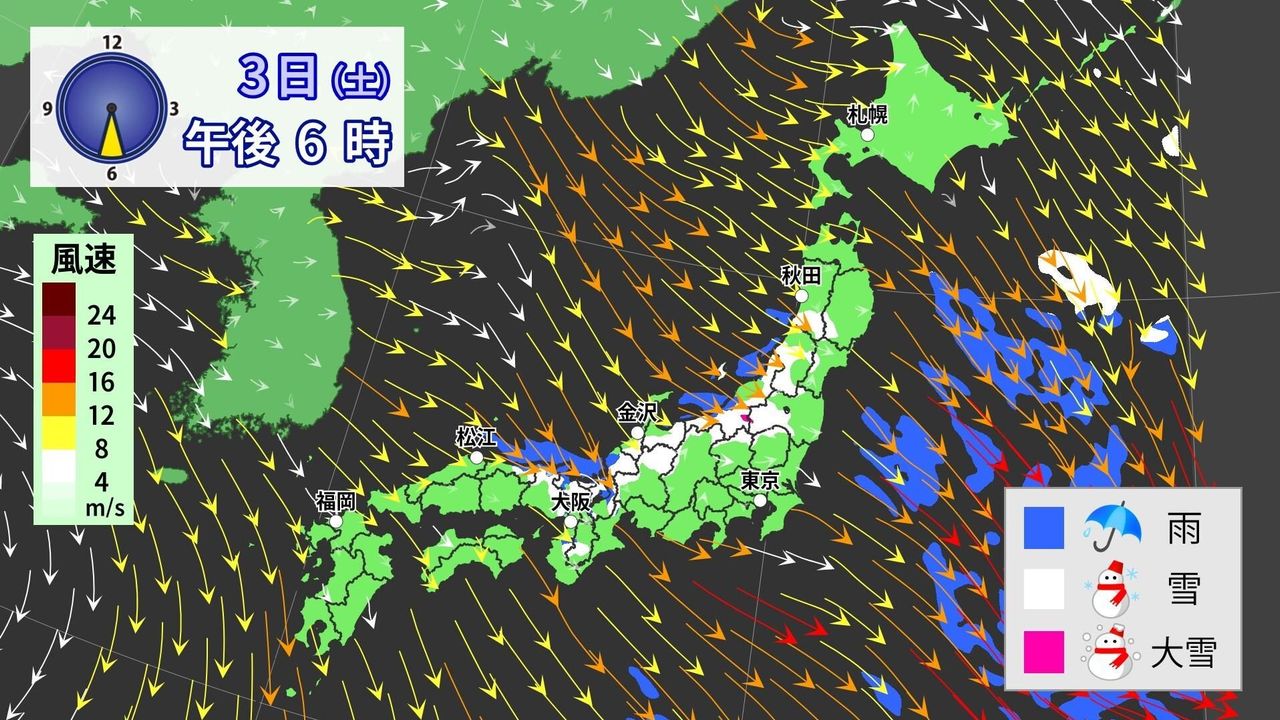
Winter Weather in Japan: Snow, Ice, and Language Lessons
If you’ve ever dreamed of experiencing a snowy Japanese winter or tuned into Japanese news during the colder months, you’ll quickly realize that winter in Japan is more than just picturesque landscapes. It’s a season of challenges and resilience, as seen in a recent weather update from January 3, 2001. Today, we’re diving into a frosty snapshot of life in the Kanto region and beyond, while picking up authentic Japanese vocabulary and grammar along the way. Let’s explore how nature’s power shapes daily life in Japan—and how you can talk about it like a native!
Snow Blankets Kanto: A Rare Winter Sight
On this chilly January day, even the usually mild Kanto plains—think bustling cities like Tokyo—are covered in 積雪 (sekisetsu, snow accumulation). As of 11 a.m., the snowfall paints a striking scene, reminding everyone of nature’s unpredictable strength. While sunny skies brighten the Pacific side, the cold bites hard, and hidden dangers like 凍結 (tōketsu, freezing or icing over) on the 路面 (romen, road surface) lurk in shaded areas or near mountain tunnel entrances. If you’re driving during the post-holiday Uターン (yū-tān, return trip), staying cautious is a must to avoid accidents or delays.
Meanwhile, the Japan Sea side is gearing up for tougher conditions. Forecasts warn of 大雪 (taiyuki, heavy snow) and 猛ふぶき (mōfubuki, severe blizzard) through the night, with major storms expected around January 4 to 6, and again on January 8. These terms aren’t just weather jargon—they’re part of everyday conversations during Japan’s harsh winters, especially in regions known as 雪国 (yukiguni, snow country).
Cultural Context: Winter’s Impact on Japanese Life
Winter in Japan isn’t just a season—it’s a way of life. The divide between the Pacific side, where snow is rare in cities like Tokyo, and the Japan Sea side, infamous for its heavy snowfall, shapes how communities function. In 雪国 (yukiguni, snow country), people spend winters clearing paths, reinforcing homes against snow weight, and enduring long, dark months. This season also coincides with the Uターン (yū-tān, return trip), when millions return to urban centers after visiting rural hometowns for New Year celebrations. Icy roads during this time often trigger urgent news warnings, reflecting a national focus on safe travel.
Beyond practicality, these weather challenges reveal a deeper Japanese value: respect for nature’s unpredictability. Staying informed through detailed reports and preparing for sudden changes is second nature. As you learn the language of weather in Japanese, you’re also stepping into a mindset of community care and readiness that defines life in Japan.
Learn Japanese from This Article
Let’s turn this snowy update into a language lesson! Below, you’ll find key vocabulary to describe winter weather, plus grammar patterns to help you talk about ongoing conditions and potential risks. These are the kinds of words and structures you’d hear on Japanese news or in everyday conversations during winter.
Key Vocabulary for Winter Weather
| Japanese | Romaji | Meaning |
|---|---|---|
| 積雪 | sekisetsu | snow accumulation, snowfall |
| 路面 | romen | road surface |
| 凍結 | tōketsu | freezing, icing over |
| 大雪 | taiyuki | heavy snow |
| 猛ふぶき | mōfubuki | severe blizzard |
| Uターン | yū-tān | U-turn; return trip (after holidays) |
| 雪国 | yukiguni | snow country |
Grammar Spotlight: 〜続ける (to continue doing something)
One useful pattern for describing ongoing weather conditions is 〜続ける (tsudzukeru), which means “to continue doing something.” Attach it to the stem form of a verb to show a sustained action.
- Structure: Verb (stem form) + 続ける
- Examples:
- 雪が降り続ける。(Yuki ga furitsudzukeru.
- The snow continues to fall.)
- 寒さが続く。(Samusa ga tsudzukeru.
- The cold continues.)
- 道路が凍り続ける。(Dōro ga kōritsudzukeru.
- The roads continue to freeze.)
- 雪が降り続ける。(Yuki ga furitsudzukeru.
Use this pattern to talk about persistent situations, like weather phenomena or even personal habits. It’s a natural way to express duration in Japanese, often heard in news reports.
Grammar Spotlight: 〜おそれがある (there is a risk/fear that...)
Another key expression for weather warnings is 〜おそれがある (osore ga aru), meaning “there is a risk or fear that…” It’s used to caution about potential dangers and often follows a verb in dictionary form.
- Structure: Verb (dictionary form) + おそれがある
- Examples:
- 道路が凍結するおそれがある。(Dōro ga tōketsu suru osore ga aru.
- There is a risk that the roads will freeze.)
- 大雪になるおそれがある。(Taiyuki ni naru osore ga aru.
- There is a risk of heavy snow.)
- 事故が起こるおそれがある。(Jiko ga okoru osore ga aru.
- There is a risk of accidents.)
- 道路が凍結するおそれがある。(Dōro ga tōketsu suru osore ga aru.
This phrase is incredibly common in formal contexts like news or public announcements. It’s a polite yet urgent way to warn others, reflecting the Japanese emphasis on safety and preparation.
Continue Learning
Want to dive deeper into the Japanese language used in this article? Check out these lessons for more insights:
- Wa vs. Ga: Emphasizing Importance in Sentences: Curious about the Japanese used here? Our Wa vs. Ga: Emphasizing Importance in Sentences lesson covers this in depth.
- Time and Dates: Tense-Free Expressions: Curious about the Japanese used here? Our Time and Dates: Tense-Free Expressions lesson covers this in depth.
- Ni, De, and E: Mapping Directions and Locations: Want to learn more about に? Check out our lesson on Ni, De, and E: Mapping Directions and Locations.
Winter weather in Japan offers more than just a scenic view—it’s a chance to understand the language and culture through real-life contexts. Keep practicing these words and patterns, and you’ll soon be chatting about snow and storms like a local. これからもよろしくお願いします。 Kore kara mo yoroshiku onegaishimasu.