
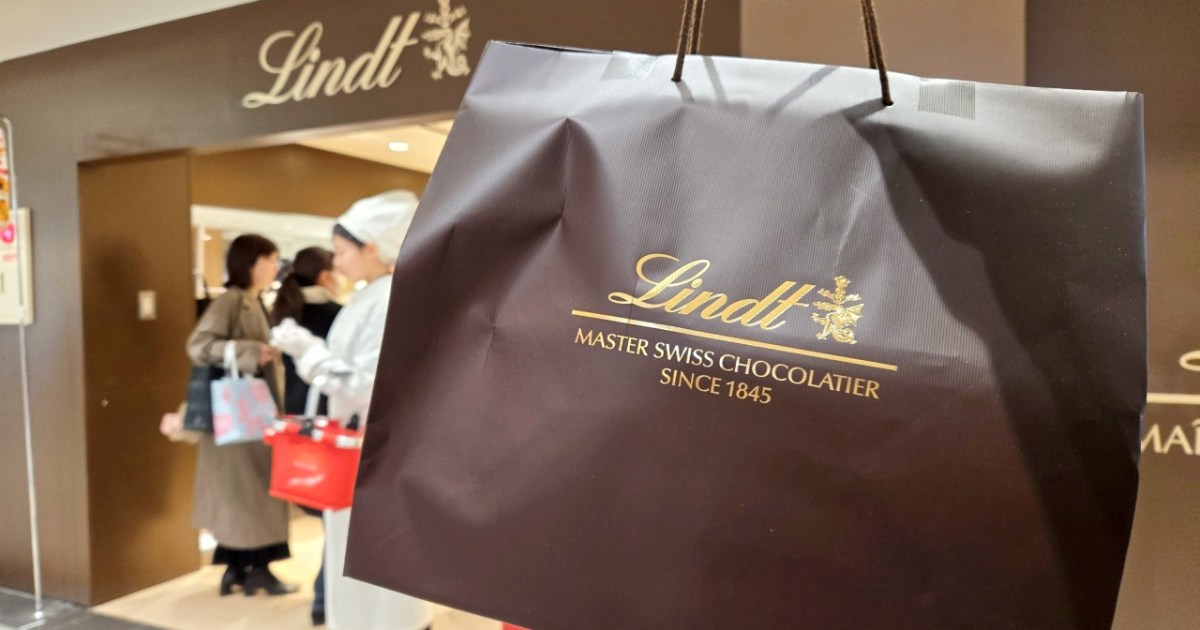
Lindt’s 2026 Lucky Bag: A Sweet Deal to Learn Japanese Bargains
Imagine stepping into a Japanese chocolate shop just after New Year’s, the rich scent of cocoa wrapping around you, and spotting a deal so incredible it feels like a gift from the holiday gods. That’s exactly what’s happening with Lindt’s 福袋 (fukubukuro), or "lucky bags," in Japan right now. These limited-edition bags are slashing prices by up to 51%, offering a perfect chance to indulge in luxury chocolate while diving into authentic Japanese seasonal traditions. For language learners like you, this isn’t just about sweets—it’s a delicious way to explore the culture and language of bargains in Japan, straight from the source.
The Sweetest New Year Deal with Lindt
Lindt’s ニューイヤーラッキーバッグ (Nyū Iyā Rakkī Baggu), translated as "New Year Lucky Bag," launched on January 1, 2026, and it’s creating a chocolate frenzy across Japan. Available in S, M, and L sizes, these bags are packed with a curated selection of Lindt’s finest treats at nearly half the 定価 (teika, regular price). The M-size bag, priced at 9,500 yen, offers a staggering 50.9% discount, saving you 9,840 yen—a truly お得 (otoku, great deal)! Inside, you’ll find crowd-pleasers like リンドール (Rindōru), Lindt’s iconic truffles, with a whopping 45 pieces in the M-size bag alone. There’s also the ショコラスイーツ & リンドール アソート (Shokora Suītsu & Rindōru Asōto), a premium assortment worth 3,900 yen by itself.
The real treasure, though? The M-size and larger bags include the rare ドバイチョコレート タブレット (Dubai Chokorēto Taburetto), or "Dubai Chocolate Tablet," a 2,900-yen treat that gained fame through ASMR videos for its unique crunchy mix of dry noodles and chocolate. But heads up—its 賞味期限 (shōmi kigen, expiration date) is as early as January 31, 2026, so don’t wait to dig in! With 数量限定 (sūryō gentei, limited quantity) stock, these bags often reach 完売 (kanbai, sold out) within days, so spotting one is a golden opportunity.
Why New Year’s Timing Is Everything
If you’ve ever considered buying Lindt at full price in Japan, think twice. Paying the 定価 (teika) during peak discount seasons like お正月 (Oshōgatsu, New Year) feels like missing out on a cultural rite. The best times to snag these 高級 (kōkyū, luxury) chocolates are during summer sales, Christmas, and especially New Year’s, when 福袋 (fukubukuro) dominate shopping culture. These mystery bags, filled with discounted goods, are a beloved tradition, and Lindt’s version brings a sweet twist to the custom. If you’re in Japan and spot one before they’re 完売 (kanbai), it’s not just a bargain—it’s a firsthand taste of Japanese holiday spirit.
Cultural Context: The Magic of Fukubukuro
For many English speakers, the idea of a 福袋 (fukubukuro, lucky bag) might sound new, but it’s a cornerstone of Japanese New Year celebrations. Literally translating to "lucky bag," these mystery bundles are sold by retailers starting January 1st or 2nd, often packed with items worth far more than you pay. Dating back to the Edo period (1603–1868), merchants bundled unsold goods to clear inventory, turning it into a fun gamble for customers. Today, 福袋 (fukubukuro) are a major event, with shoppers lining up at dawn for bags from popular brands like Lindt. It’s not just about saving money—it’s the thrill of the unknown and the hope of starting the year with good luck. Understanding this tradition helps you see why Lindt’s lucky bag isn’t just a deal; it’s a cultural experience.
Beyond discounts, this story shows how chocolate fits into Japan’s seasonal celebrations. While Lindt is Swiss, its Japanese offerings often feature exclusive flavors and packaging for events like New Year’s. Fun fact: despite its name, the ドバイチョコレート (Dubai Chokorēto) isn’t from Dubai—it’s made in Germany! This playful branding reflects Japan’s love for novelty and trends, a quirk you’ll notice in everything from food to fashion.
Learn Japanese from This Article
Ready to turn this sweet deal into a language learning win? Let’s break down some key vocabulary and grammar you can use to talk about bargains and seasonal shopping in Japanese, just like a native speaker would.
Key Vocabulary
| Japanese | Romaji | Meaning |
|---|---|---|
| 福袋 | fukubukuro | lucky bag, mystery bag sold at a discount during New Year |
| お得 | otoku | bargain, good deal, worthwhile |
| 定価 | teika | regular price, list price |
| 賞味期限 | shōmi kigen | expiration date, best-before date |
| 数量限定 | sūryō gentei | limited quantity |
| 高級 | kōkyū | high-class, luxury |
| 完売 | kanbai | sold out |
Grammar Spotlight: 〜に限る (is best, nothing beats)
The pattern 〜に限る (ni kiru) is used to say something is the best or nothing beats it, often for emphasizing a preference or ideal situation. It’s perfect for talking about deals or timing, like with Lindt’s lucky bags.
- Structure: Verb (plain form) + 〜に限る or Noun + 〜に限る
- Examples:
- リンツのチョコは福袋で買うに限る。 (Rintsu no choko wa fukubukuro de kau ni kiru.) - Nothing beats buying Lindt chocolate in a lucky bag.
- お正月のセールに限るよ。 (Oshōgatsu no sēru ni kiru yo.) - New Year’s sales are the best.
- お得な買い物に限る! (Otoku na kaimono ni kiru!) - Nothing beats a good deal!
Use this when you want to stress the ideal way or time to do something. It’s a conversational way to share opinions with friends about shopping or preferences.
Grammar Spotlight: 〜ちゃう (casual completion or regret)
The casual form 〜ちゃう (chau) comes from 〜てしまう (te shimau), often indicating completion of an action or a sense of regret/unintended result. It’s super common in everyday speech, especially when talking about things like missing out on a deal.
- Structure: Verb (te-form, drop て) + ちゃう
- Examples:
- 福袋、買いに行ったら売り切れちゃった。 (Fukubukuro, kai ni ittara urikirechatta.) - I went to buy a lucky bag, but it was already sold out.
- ドバイチョコレート、食べちゃった! (Dubai Chokorēto, tabechatta!) - I ended up eating the Dubai Chocolate!
- 賞味期限が切れちゃう前に食べなきゃ。 (Shōmi kigen ga kirechau mae ni tabenakya.) - I’ve got to eat it before the expiration date passes!
This form adds a casual, emotional nuance—perfect for chatting about shopping mishaps or quick decisions. You’ll hear it a lot in informal settings.
Continue Learning
Want to dive deeper into the Japanese language used in contexts like shopping and timing? Check out these lessons for more authentic learning:
- Time and Dates: Tense-Free Expressions: To understand more about time, explore our Time and Dates: Tense-Free Expressions lesson.
- Ni, De, and E: Mapping Directions and Locations: Curious about the Japanese used here? Our Ni, De, and E: Mapping Directions and Locations lesson covers this in depth.
- Wa vs. Ga: Emphasizing Importance in Sentences: To understand more about は, explore our Wa vs. Ga: Emphasizing Importance in Sentences lesson.
これからもよろしくお願いします。 Kore kara mo yoroshiku onegaishimasu.