
Japan's Diplomatic Dilemma: Navigating Global Tensions in 2024
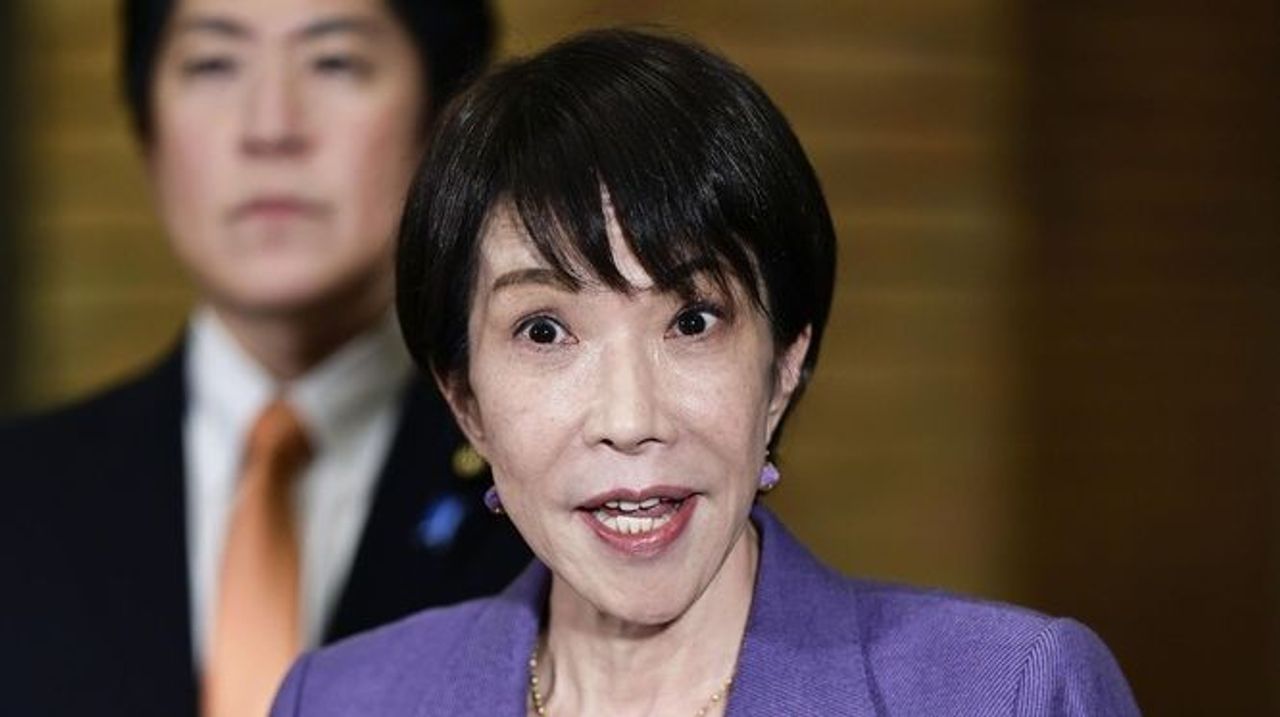
Have you ever wondered how Japan, a nation known for its commitment to peace, handles unexpected international conflicts? On January 3, 2001, Japan found itself in a delicate position as the United States launched a military attack on Venezuela under then-President Donald Trump. This event placed Prime Minister 高市早苗 (Takaichi Sanae) in a challenging spot, balancing Japan’s alliances and its principles. For learners like you, this moment offers a fascinating glimpse into Japan’s diplomatic strategies and the language used to navigate such crises. Let’s dive into the story and uncover some authentic Japanese along the way!
Japan’s Tough Diplomatic Choice
Prime Minister Takaichi faces a difficult decision: whether to support the U.S. action, described as a 軍事攻撃 (gunji kōgeki - military attack), or to offer 非難 (hinan - criticism, condemnation). Supporting the U.S. could mean endorsing a potential violation of 国際法 (kokusaihō - international law), while criticism might strain the vital 同盟関係 (dōmei kankei - alliance relationship) between Japan and the U.S. To navigate this, the Japanese government has chosen a cautious approach, observing the responses of other G7 nations before issuing an official statement. This reflects Japan’s signature diplomatic style—seeking harmony while protecting its interests.
Protecting Japanese Citizens Abroad
Amid rising global tensions, Japan acted swiftly to ensure the safety of its people. On January 3, a dedicated contact office was set up within the 外務省 (Gaimushō - Ministry of Foreign Affairs) to coordinate efforts for 邦人保護 (hōjin hogo - protection of Japanese citizens). This immediate response highlights how seriously Japan prioritizes the well-being of its nationals during international crises. For language learners, these terms offer a window into the formal, official vocabulary often used in government announcements.
Cultural Context: Japan’s Commitment to Peace
To truly understand Japan’s cautious response, you’ll need to look at its post-World War II identity. Japan’s Constitution, particularly Article 9, renounces war and emphasizes peaceful conflict resolution. This shapes the nation’s reluctance to engage in or endorse military actions. At the same time, Japan’s alliance with the U.S., rooted in a post-war security treaty, is a cornerstone of its foreign policy. This creates a delicate balancing act—maintaining strong ties with its ally while adhering to pacifist values. As a learner, recognizing these historical and cultural influences helps you see why Japan often chooses observation over immediate action in global conflicts.
Learn Japanese from This Article
Let’s break down some key language elements from this news story. These words and grammar patterns are not just useful for understanding current events but also for grasping how Japanese is used in formal and diplomatic contexts—the way native speakers encounter it.
Key Vocabulary
| Japanese | Romaji | Meaning |
|---|---|---|
| 軍事攻撃 | gunji kōgeki | military attack |
| 国際法 | kokusaihō | international law |
| 同盟関係 | dōmei kankei | alliance relationship |
| 邦人保護 | hōjin hogo | protection of Japanese citizens |
| 外務省 | gaimushō | Ministry of Foreign Affairs |
| 非難 | hinan | criticism, condemnation |
These terms often appear in news reports and official statements. Try listening to Japanese news broadcasts to hear them in action—it’s a great way to train your ear for formal language!
Grammar Spotlight: 〜を迫られる (to be forced to)
This pattern, 〜を迫られる (~o semarareru), expresses being compelled or forced to do something, often due to external circumstances. It’s commonly used in formal or serious contexts like politics or business.
- Structure: Verb (dictionary form) + を + 迫られる
- Examples:
- 難しい決断を迫られる。 (Muzukashii ketsudan o semarareru.
- To be forced to make a difficult decision.)
- 支持を表明することを迫られている。 (Shiji o hyōmei suru koto o semararete iru.
- To be forced to express support.)
- 対応を迫られた政府。 (Taiō o semarareta seifu.
- The government forced to respond.)
- 難しい決断を迫られる。 (Muzukashii ketsudan o semarareru.
You’ll often see this in news about leaders or organizations facing tough choices, as with Prime Minister Takaichi’s dilemma.
Grammar Spotlight: 〜ためだ (because of, due to)
The pattern 〜ためだ (~tame da) is a formal way to explain reasons or causes, often used in writing or official statements. It’s less conversational than 〜から (~kara) and carries an explanatory tone.
- Structure: Noun + の + ためだ OR Verb (plain past/non-past) + ためだ
- Examples:
- 国際法の違反のためだ。 (Kokusaihō no ihan no tame da.
- Because of a violation of international law.)
- 同盟関係を維持するためだ。 (Dōmei kankei o iji suru tame da.
- Due to the need to maintain the alliance relationship.)
- 邦人保護のためだ。 (Hōjin hogo no tame da.
- Because of the protection of Japanese citizens.)
- 国際法の違反のためだ。 (Kokusaihō no ihan no tame da.
This structure is perfect for understanding formal Japanese explanations in news or reports. Notice how it adds a layer of professionalism to the statement.
Continue Learning
Want to dive deeper into Japanese grammar and usage? Check out these lessons to build on what you’ve learned today:
- Wa vs. Ga: Emphasizing Importance in Sentences: To understand more about は, explore our Wa vs. Ga: Emphasizing Importance in Sentences lesson.
- O and Wo: Marking Objects Without Prepositions: Ready to dive deeper? Our lesson on O and Wo: Marking Objects Without Prepositions will help you master these concepts.
- Ni, De, and E: Mapping Directions and Locations: Curious about the Japanese used here? Our Ni, De, and E: Mapping Directions and Locations lesson covers this in depth.
Learning Japanese the way it’s taught in Japan means connecting language to real-world contexts like this news story. Keep practicing, and you’ll soon navigate these topics with ease!
これからもよろしくお願いします。 Kore kara mo yoroshiku onegaishimasu.