
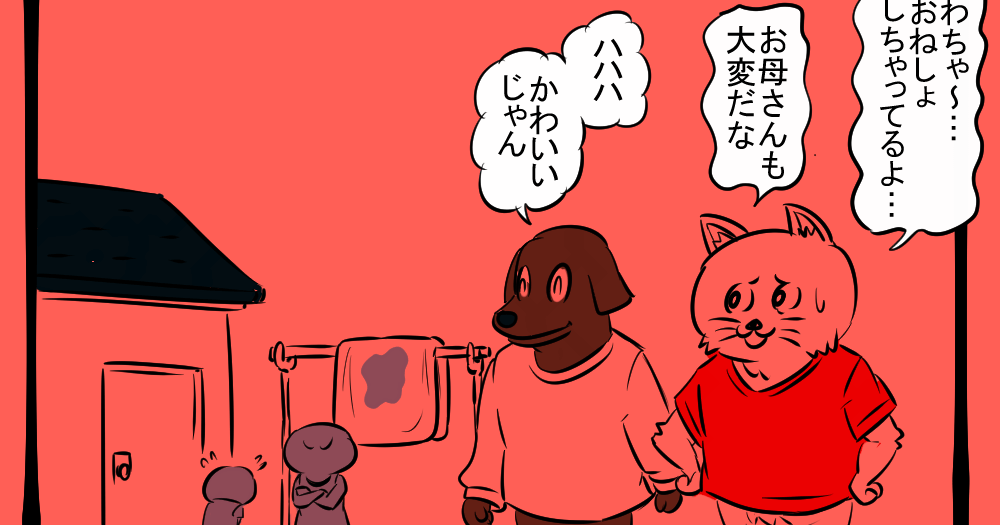
A Dog’s Hilarious Take on Cuteness in Honobono Animal Town
Ever flipped through a Japanese comic and stumbled upon a moment so delightfully weird that you just had to laugh? If you’ve been exploring the world of manga, you’ll love this quirky gem from the latest installment of Honobono Animal Town. In the 89th episode titled かわいいの話 (kawaii no hanashi), or "A Story About Cuteness," a dog dives into a bizarre conversation about what’s cute, landing on the most unexpected conclusion. Published on January 4, 2026, by artist Zack KT-4 and featured on Rocket News, this slice-of-life story offers a perfect blend of humor and heart—plus a fantastic chance to learn authentic Japanese the way it’s used in Japan.
A Dog with a Peculiar Perspective
In this chapter of Honobono Animal Town, the star isn’t just any dog. Instead of chasing its tail or barking at strangers, this canine starts chatting about かわいい (kawaii), the Japanese idea of "cute" or "adorable." What makes it hilarious is the dog’s earnest tone and the utterly absurd direction its thoughts take. The humor shines through the randomness, a hallmark of this beloved 漫画 (manga), or comic series, that turns everyday 動物 (doubutsu), meaning "animal," behaviors into laugh-out-loud stories. It’s a snapshot of 日常 (nichijou), or "daily life," mixed with a touch of the 奇妙 (kimyou), which means "strange" or "peculiar." If you’re new to Japanese storytelling, this blend of the mundane and surreal is exactly what makes slice-of-life manga so captivating.
Cultural Context: The Power of Kawaii and Honobono
If you’ve ever wondered why "cute" feels like such a big deal in Japan, let’s dive into the concept of かわいい (kawaii). It’s more than just a word—it’s a cultural lens that shapes everything from character designs to how people express affection. In Honobono Animal Town, the dog’s odd ramblings about cuteness reflect how kawaii can sneak into the most unexpected corners of life, even a pet’s monologue. It’s about seeing the world with a sense of wonder, something Japanese readers connect with deeply.
Then there’s the series’ title itself: ほのぼの (honobono), which translates to "heartwarming" or "gentle." This word captures the cozy, relaxing vibe of slice-of-life stories, offering a comforting escape in Japan’s often fast-paced society. The dog’s 話 (hanashi), or "story," isn’t just funny—it’s a small dose of warmth, showing how Japanese humor often balances subtle absurdity with emotional resonance. For learners like you, this is a chance to see how language mirrors culture, giving deeper meaning to the words and expressions you’ll encounter in real conversations.
Learn Japanese from This Article
Ready to pick up some authentic Japanese from this adorable manga moment? Let’s break down key vocabulary and grammar patterns that’ll help you talk about stories, cuteness, and everyday quirks just like a native speaker.
Key Vocabulary
| Japanese | Romaji | Meaning |
|---|---|---|
| かわいい | kawaii | cute, adorable |
| ほのぼの | honobono | heartwarming, gentle, relaxing |
| 漫画 | manga | comic, cartoon |
| 話 | hanashi | story, talk, conversation |
| 動物 | doubutsu | animal |
| 日常 | nichijou | daily life, everyday |
| 奇妙 | kimyou | strange, peculiar |
Grammar Spotlight: 〜の話 and 〜について
Let’s zoom in on two useful patterns that pop up in this manga’s title and context. These will help you discuss stories or topics in a natural way, just as Japanese speakers do.
〜の話 (~no hanashi) - "A story about ~" or "Talk about ~" This pattern is used to indicate the subject or theme of a story or conversation.
- かわいいの話 (kawaii no hanashi) - "A story about cuteness"
- 学校の話 (gakkou no hanashi) - "A story about school" or "Talk about school"
- 友達の話 (tomodachi no hanashi) - "A story about a friend" Use this when you want to introduce the topic of a discussion or narrative—it’s casual and widely used in daily life.
〜について (~ni tsuite) - "About ~" or "Regarding ~" This pattern is slightly more formal and often used to discuss or explain something in detail.
- かわいいについて話す (kawaii ni tsuite hanasu) - "Talk about cuteness"
- 日本について学ぶ (Nihon ni tsuite manabu) - "Learn about Japan"
- 仕事について考える (shigoto ni tsuite kangaeru) - "Think about work" Use this when you’re diving deeper into a subject, whether in conversation or writing.
Useful Expression
Here’s a bonus phrase inspired by the heartwarming tone of Honobono Animal Town: ほのぼのする (honobono suru) - "To feel warm and relaxed" You might say this after reading a sweet story or spending a quiet moment with friends. For example:
- この漫画を読んでほのぼのした。 (Kono manga o yonde honobono shita.) - "I felt warm and relaxed reading this comic."
Continue Learning
Want to dive deeper into Japanese language and culture? Check out these lessons to build on what you’ve learned today:
- Greetings and Self-Introductions: Authentic Entry Phrases: To understand more about culture, explore our Greetings and Self-Introductions: Authentic Entry Phrases lesson.
- Chinese Influence on Japanese: Kanji and Borrowed Vocabulary: Working on your reading skills? Our Chinese Influence on Japanese: Kanji and Borrowed Vocabulary lesson is a great next step.
- Ni, De, and E: Mapping Directions and Locations: Curious about the Japanese used here? Our Ni, De, and E: Mapping Directions and Locations lesson covers this in depth.
Closing Thoughts
Whether you’re chuckling at a dog’s odd take on cuteness or soaking in the ほのぼの (honobono) vibes of slice-of-life manga, stories like these are a treasure trove for learning Japanese as it’s truly spoken in Japan. Keep exploring, keep laughing, and let’s continue this journey together.
これからもよろしくお願いします。 Kore kara mo yoroshiku onegaishimasu.