
Seven-Eleven’s 2026 Fukubukuro: A Lucky Bag Deal You Can’t Miss
Imagine stepping into a セブンイレブン (Sebun Irebun), one of Japan’s iconic convenience stores, on a chilly January morning. The shelves are bursting with seasonal treats, and right at the front, a vibrant display grabs your attention: the 2026 New Year’s 福袋 (fukubukuro), or "lucky bag." This isn’t just a random assortment of items—it’s a cultural treasure, a surprise-filled deal that gets Japanese shoppers buzzing with excitement. According to a recent Rocket News report, Seven-Eleven’s latest offering might be the ultimate steal at an effective cost of just 330 yen after coupons. For you, as a Japanese learner, this isn’t just about a bargain; it’s a perfect chance to dive into the everyday traditions and modern quirks that shape life in Japan.
What’s Inside the 2026 Seven-Eleven Fukubukuro?
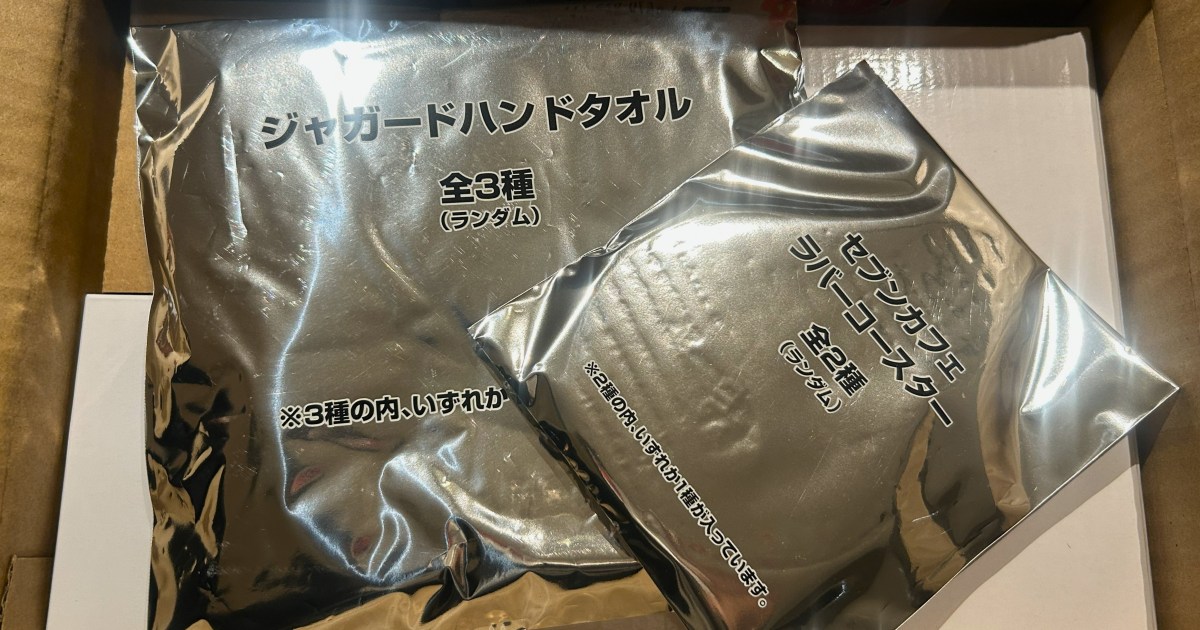
Priced at 3,630 yen (tax included), Seven-Eleven’s 2026 福袋 (fukubukuro) is a bundle of value waiting to be unpacked. Pre-orders started in mid-November 2025 via their online shopping site, and as of January 1, 2026, you can still grab one at select stores—a rare chance since last year’s bags vanished almost instantly. So, what’s in this mystery bag? It’s a delightful mix of practical and playful items: a Seven-Eleven-themed kitchen timer, a rubber coaster shaped like their famous セブンカフェ (Sebun Kafe) coffee cups (randomly one of two designs), a collaboration hand towel with the traditional Japanese brand SOU・SOU (Sou Sou), and a set of two New Year plates with designs by Pantovisco (randomly chosen from four styles).
The real kicker, though, is the クーポン (kuupon), or coupons, worth a hefty 3,300 yen. You get 11 coupons for 100 yen off セブンカフェ (Sebun Kafe) drinks or smoothies, 12 for discounted rice balls or sushi under 400 yen (pre-tax), 5 for select sweets under the "THE SEVEN SWEETS" logo, and 5 for sandwiches or rolls. These are valid from December 22, 2025, to March 31, 2026, though you’ll want to read the fine print to use them effectively. For regular Seven-Eleven shoppers, this is a 狙い目 (nerai-me), or a golden opportunity, though casual visitors might not reap the full savings.
And here’s a fun bonus: one in every ten bags includes a 500-yen Seven-Eleven prepaid card, adding a touch of New Year’s lottery luck to your purchase, perfectly in line with the festive spirit of お正月 (Oshougatsu).
Why the Buzz Around Original Goods?
Beyond the coupons, the charm of this 福袋 (fukubukuro) lies in its オリジナル (orijinaru), or exclusive, items. The kitchen timer, modeled after a miniature Seven-Eleven 店構え (misekamae), or storefront, is an absolute standout. It’s a simple gadget (batteries not included), but its design screams familiarity—proof of how deeply this brand is woven into Japanese daily life. Then there’s the DIY rubber coaster mimicking a セブンカフェ (Sebun Kafe) cup, a quirky piece that shows off the brand’s 遊び心 (asobigokoro), or sense of playfulness. The random designs of the coasters, hand towels, and plates make unboxing feel like a game of chance.
These items aren’t just novelties; they reflect how Seven-Eleven is more than a store—it’s a cultural icon, often called a なんでも屋さん (nandemo-ya-san), or "a shop for everything." Whether it’s robots brewing coffee, selling fresh vegetables, or even offering Buddhist altar flowers in rural areas, Seven-Eleven adapts to local needs in surprising ways. Their 福袋 (fukubukuro) captures this blend of innovation and familiarity perfectly.
Cultural Context: The Magic of Fukubukuro
If you’re new to Japanese traditions, let’s unpack the meaning behind 福袋 (fukubukuro), which literally translates to "lucky bag." This New Year custom sees stores offering mystery bags packed with discounted or exclusive items, rooted in the idea of kicking off the year with good fortune—almost like drawing a lottery ticket. Historically, merchants bundled unsold goods to clear inventory, but today’s 福袋 (fukubukuro) are carefully curated, often featuring limited-edition items or unbeatable deals. Big chains like Seven-Eleven take this tradition to the next level with themed merchandise, tying into the excitement of お正月 (Oshougatsu), Japan’s most significant holiday.
As a learner, understanding 福袋 (fukubukuro) gives you insight into Japanese consumer culture and seasonal rhythms. It’s more than shopping; it’s a ritual of renewal and luck. Seven-Eleven’s version, blending practicality (coupons for daily essentials) with whimsy (branded timers and coasters), mirrors how modern Japan fuses tradition with convenience—a true snapshot of life here.
Learn Japanese from This Article
Let’s turn this cultural phenomenon into a learning opportunity! Below, you’ll find key vocabulary, grammar patterns, and useful expressions inspired by the 福袋 (fukubukuro) tradition and Seven-Eleven’s offerings. These are words and structures you’ll encounter in real Japanese conversations, especially around the New Year season.
Key Vocabulary
| Japanese | Romaji | Meaning |
|---|---|---|
| 福袋 | fukubukuro | lucky bag, mystery bag sold at New Year |
| なんでも屋 | nandemo-ya | jack-of-all-trades shop, store that sells everything |
| クーポン | kuupon | coupon |
| オリジナル | orijinaru | original, exclusive |
| 遊び心 | asobigokoro | sense of playfulness, whimsy |
| 店構え | misekamae | appearance of a shop, storefront |
| 狙い目 | nerai-me | good opportunity, something worth aiming for |
Grammar Spotlight: 〜ている (Ongoing Action or State)
The 〜ている (~te iru) form is used to describe an ongoing action or a current state resulting from a past action. It’s incredibly common in Japanese, and you’ll hear it everywhere, from casual chats to store announcements.
- Structure: Verb (て-form) + いる
Examples:
- セブンイレブンで福袋を売っている。(Sebun Irebun de fukubukuro o utte iru.) - They are selling lucky bags at Seven-Eleven.
- クーポンを使っている人が多い。(Kuupon o tsukatte iru hito ga ooi.) - Many people are using coupons.
- 店構えがとてもきれいになっている。(Misekamae ga totemo kirei ni natte iru.) - The storefront has become very beautiful (and still is).
When to Use: Use 〜ている when talking about something happening right now or a state that continues after an action (like “has become” in the third example). It’s perfect for describing scenes like busy stores during New Year sales!
Grammar Spotlight: 〜らしい (Seems Like, Apparently)
The 〜らしい (~rashii) ending conveys hearsay or something that “seems like” or “appears to be” the case, often based on what you’ve heard or observed. It’s a great way to talk about trends or rumors, like the hype around 福袋 (fukubukuro).
- Structure: Verb (plain form) / Noun + らしい
- Examples:
- 今年の福袋はとてもお得らしい。(Kotoshi no fukubukuro wa totemo otoku rashii.) - Apparently, this year’s lucky bags are a great deal.
- セブンイレブンのオリジナル商品が人気らしい。(Sebun Irebun no orijinaru shouhin ga ninki rashii.) - It seems like Seven-Eleven’s original products are popular.
- When to Use: Use 〜らしい when sharing information you’ve heard or when making an observation that isn’t 100% confirmed. It’s handy for discussing deals or cultural trends without sounding too definitive.
Continue Learning
Want to dive deeper into the Japanese language used in everyday contexts like shopping or seasonal events? Check out these lessons to build on what you’ve learned here:
- Curious about the Japanese used here? Our Wa vs. Ga: Emphasizing Importance in Sentences lesson covers this in depth.
- To understand more about に, explore our Ni, De, and E: Mapping Directions and Locations lesson.
- Want to understand the verb forms used here? Check out Verb Basics: Harnessing the Dictionary Form.
Closing Thoughts
Exploring Seven-Eleven’s 2026 福袋 (fukubukuro) isn’t just about snagging a deal—it’s about connecting with a piece of Japanese culture that blends tradition with modern life. Whether you’re practicing new vocabulary like 狙い目 (nerai-me) or trying out grammar like 〜ている (~te iru), every step brings you closer to understanding Japan the way locals do. Keep learning, keep exploring, and maybe next New Year, you’ll be the one hunting for your own lucky bag!
これからもよろしくお願いします。 Kore kara mo yoroshiku onegaishimasu.