
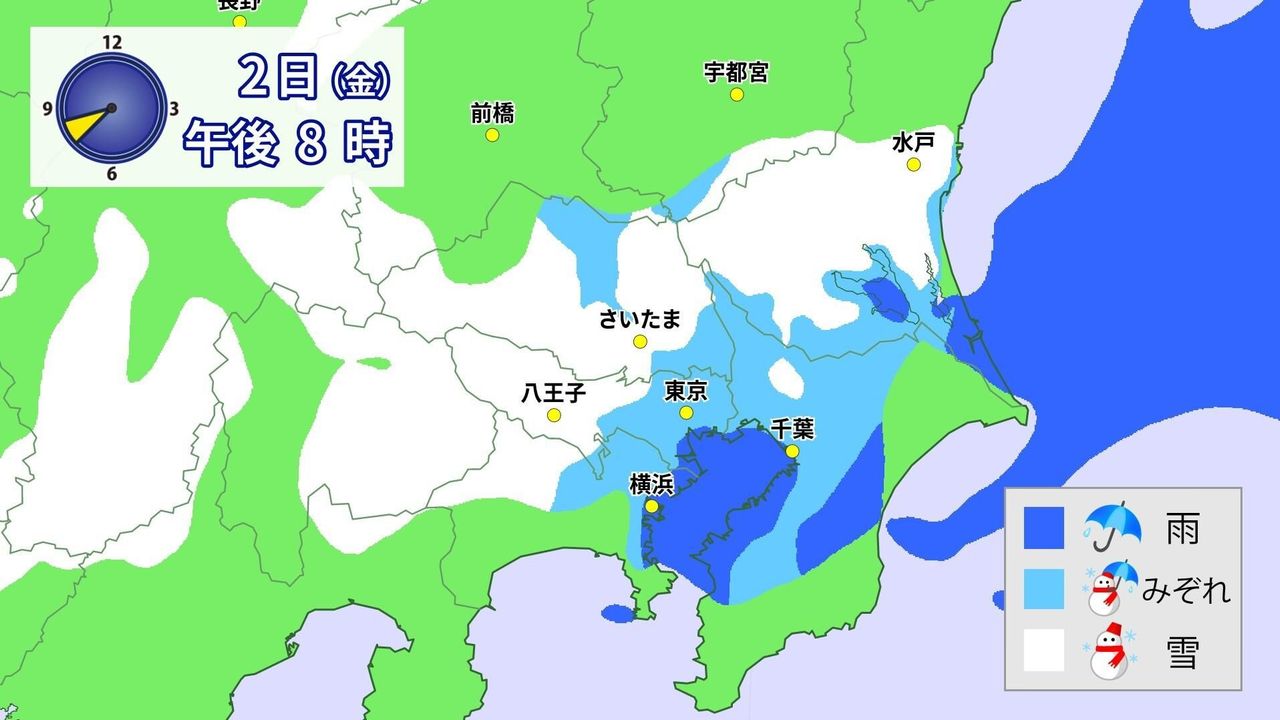
Rare Snowfall Blankets Japan: A New Year Surprise
Have you ever imagined Tokyo or the Pacific coast of Japan covered in a blanket of snow during the New Year? On January 2, 2001, a surprising cold front swept across the country, bringing unexpected snowfall to regions that rarely see such wintry weather. For learners of Japanese, this event isn’t just a fascinating weather story—it’s a chance to dive into authentic language and cultural insights straight from Japan. Let’s explore this rare phenomenon, uncover the words and expressions tied to it, and see how nature and tradition intertwine in Japanese life.
A Cold Start to the New Year
As the second day of the year dawned, a powerful wave of 寒気 (kanki), or cold air, gripped Japan. While the 日本海側 (Nihonkai-gawa), the Sea of Japan side, is no stranger to heavy winter snow, this time even the milder 太平洋側 (Taiheiyou-gawa), the Pacific Ocean side, saw flurries. In the 関東 (Kantou) region, which includes Tokyo, there was a risk of 大雪 (ooyuki), or heavy snow, especially in mountainous areas. Even the flat plains faced potential 積雪 (sekisetsu), meaning snow accumulation. This unusual weather painted familiar landscapes in a new, wintry light, reminding everyone of nature’s unpredictability.
Cultural Context: Snow and New Year Traditions
The timing of this snowfall adds a special layer to the Japanese New Year, known as お正月 (Oshougatsu). This holiday period is one of the most important times of the year, filled with family gatherings and sacred traditions like 初詣 (Hatsumoude), the first shrine or temple visit to pray for good fortune. Snow during this time can feel symbolic—white often represents purity and renewal in Japanese culture, mirroring the fresh start of a new year. Yet, it also brings challenges, especially in areas unaccustomed to icy roads or heavy 積雪 (sekisetsu). Imagine trying to navigate to a shrine for 初詣 (Hatsumoude) while bundled up against the unexpected 寒気 (kanki)! This blend of beauty and inconvenience shows how deeply weather is woven into daily life and cultural moments in Japan.
Learn Japanese from This Article
If you’ve ever wanted to learn Japanese the way it’s taught in Japan, this story offers a perfect opportunity. Let’s break down some key vocabulary and grammar patterns tied to this snowy New Year event. These are words and structures you’ll hear in real conversations or news reports, giving you a glimpse into authentic usage.
Key Vocabulary
| Japanese | Romaji | Meaning |
|---|---|---|
| お正月 | Oshougatsu | New Year (holiday period) |
| 寒気 | kanki | cold air, chill |
| 日本海側 | Nihonkai-gawa | Sea of Japan side |
| 太平洋側 | Taiheiyou-gawa | Pacific Ocean side |
| 関東 | Kantou | Kanto region (includes Tokyo) |
| 大雪 | ooyuki | heavy snow |
| 積雪 | sekisetsu | snow accumulation |
| 初詣 | Hatsumoude | first shrine/temple visit of the year |
Grammar Spotlight
Let’s dive into two useful grammar patterns that pop up when discussing weather or ongoing events in Japanese. These will help you describe situations just like this snowfall.
1. 〜のおそれがある (no osore ga aru) - There is a risk/fear of ~
This pattern is often used in formal or news contexts to express the possibility or risk of something happening, especially negative events like bad weather or disasters.
- Structure: [Noun] + のおそれがある
- Example 1: 関東地方に大雪のおそれがあります。 (Kantou chihou ni ooyuki no osore ga arimasu.) - There is a risk of heavy snow in the Kanto region.
- Example 2: 積雪のおそれがあるので、注意してください。 (Sekisetsu no osore ga aru node, chuui shite kudasai.) - There is a risk of snow accumulation, so please be careful.
You’ll hear this in weather forecasts or warnings, making it a practical phrase to recognize and use when discussing potential issues.
2. 〜ている (teiru) - Ongoing action or state
This form indicates something that is currently happening or a state that continues over time. It’s perfect for describing ongoing weather conditions.
- Structure: Verb (て-form) + いる
- Example 1: 雪が降っています。 (Yuki ga futteimasu.) - It is snowing.
- Example 2: 寒気が続いています。 (Kanki ga tsuduiteimasu.) - The cold air is continuing.
Use this to talk about current situations, whether it’s the weather or something you’re doing right now. It’s one of the most common grammar forms in daily Japanese.
Useful Expression
Here’s a bonus phrase tied to the New Year context: 明けましておめでとうございます。 (Akemashite omedetou gozaimasu.) - Happy New Year. You’ll hear this everywhere during お正月 (Oshougatsu), and it’s a polite way to greet someone at the start of the year.
Continue Learning
Ready to build on what you’ve learned here? Check out these lessons to deepen your understanding of Japanese language and culture:
- Time and Dates: Tense-Free Expressions: To understand more about time, explore our Time and Dates: Tense-Free Expressions lesson.
- Wa vs. Ga: Emphasizing Importance in Sentences: Curious about the Japanese used here? Our Wa vs. Ga: Emphasizing Importance in Sentences lesson covers this in depth.
- Greetings and Self-Introductions: Authentic Entry Phrases: To understand more about culture, explore our Greetings and Self-Introductions: Authentic Entry Phrases lesson.
Learning Japanese isn’t just about words and grammar—it’s about connecting with the culture and moments like this snowy New Year. Keep practicing, and you’ll soon find yourself understanding more than just the language, but the heart of Japan itself.
これからもよろしくお願いします。 Kore kara mo yoroshiku onegaishimasu.