
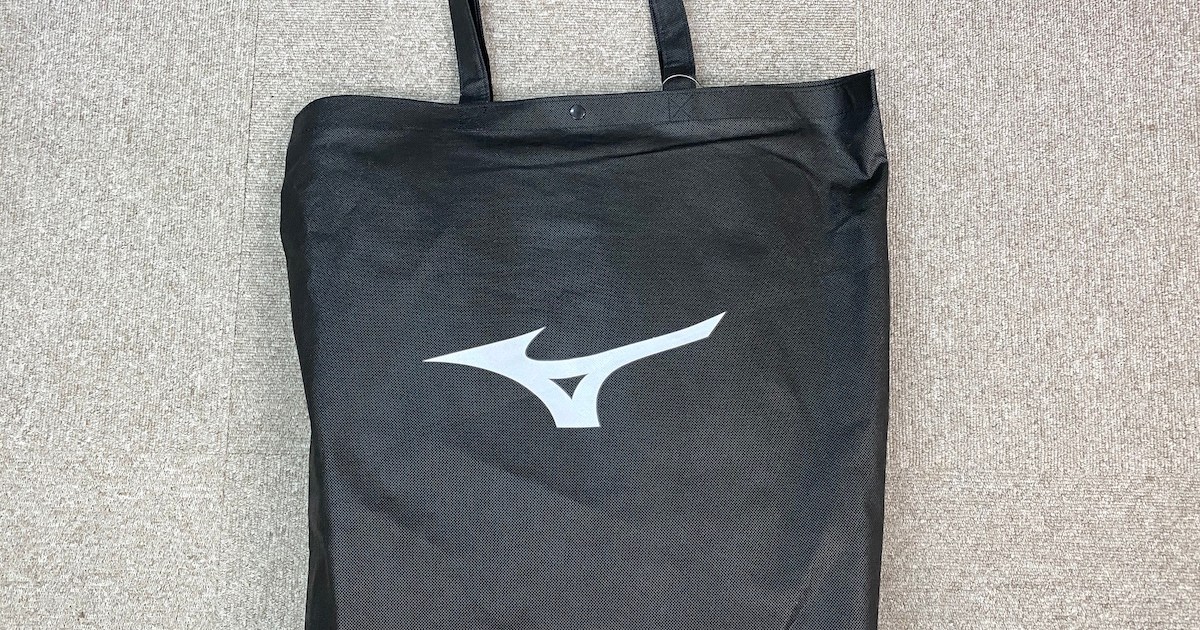
Unboxing a MIZUNO Fukubukuro: A 2026 New Year’s Tradition
Imagine standing in the crisp January air of Shinjuku, clutching a mysterious 福袋 (fukubukuro - lucky bag) from MIZUNO, wondering if this year’s haul will spark joy or leave you nostalgic for better days. If you’ve ever been curious about Japanese New Year traditions or how they reflect modern life, you’re in for a treat. Today, we’re diving into my personal unboxing of a 2026 MIZUNO 福袋 (fukubukuro), priced at 11,000 yen (about $75 USD). It’s not just about sportswear—it’s a window into Japanese culture, economic shifts, and even a chance to pick up some authentic language skills along the way. Let’s open this bag together!
The MIZUNO Fukubukuro Unboxing: What’s Inside in 2026?
Every year, I make a pilgrimage to Victoria Golf in Shinjuku on 元旦 (gantan - New Year’s Day) to snag a MIZUNO 福袋 (fukubukuro). These mystery bags are a gamble, often packed with sportswear featuring MIZUNO’s signature technology like 吸湿発熱 (kyūshitsu hatsunetsu - moisture-wicking heat generation), perfect for 防寒 (bōkan - protection against cold) during Japan’s chilly winters. At 11,000 yen, it’s a deal—if the contents deliver. Last year, I was heartbroken when the iconic high-neck shirt was missing, so I approached 2026 with cautious hope.
Peeking at the store’s pop-up display (a thoughtful hint system common in Japan), I saw the lineup: a full-zip jacket, pants, and a neck warmer. Sound familiar? It’s the same trio as last year. While I sighed at the lack of variety, I was relieved the item count hadn’t shrunk further amid rising costs. There was a time when these bags included extras like socks or masks alongside core pieces. Now, opening one feels bittersweet. Still, MIZUNO’s quality remains top-notch. Without a 値札 (nefuda - price tag) inside, I can only guess, but a jacket alone could retail for 11,000 yen, making this a steal. Wearing the set, I felt the warmth and mobility—gear I’ll put into ヘビロテ (hebirote - heavy rotation) all winter long.
Where to Hunt for Your Own Fukubukuro
Curious to try this tradition yourself? MIZUNO 福袋 (fukubukuro) aren’t just at sports stores like Victoria Golf—they’re also at department stores during New Year セール (sēru - sales). The 11,000-yen range is ideal for casual buyers seeking warm, sporty gear. But hurry—not every shop opens on January 1st anymore due to changing retail trends. Targeting early New Year sales is key, especially since Japan’s cold lingers into March. For learners, hunting a 福袋 (fukubukuro) is a fun way to immerse yourself in Japanese shopping culture. Why not 買ってみる (katte miru - try buying) one and see what surprises await?
Cultural Context: The Magic and Melancholy of Fukubukuro
If you’re new to this, a 福袋 (fukubukuro - lucky bag) is a beloved New Year tradition in Japan, literally meaning “lucky bag.” Stores sell sealed bags of discounted goods at a fraction of their value, often as a way to start the year with good fortune. Dating back to the Edo period (1603–1868), merchants bundled unsold items as surprise deals. Today, it’s a major event—people line up at dawn on 元旦 (gantan - New Year’s Day) for bags from luxury brands to everyday retailers like MIZUNO.
What hit me this year, though, was the nostalgia. My mild disappointment reflects a wider sentiment in Japan about shrinking 福袋 (fukubukuro) contents amid economic challenges. It’s a small but telling sign of how traditions adapt to modern times. As a learner, tuning into these cultural nuances—whether through media or conversations—helps you understand not just the “what” but the “why” behind Japanese customs.
Learn Japanese from This Article
Let’s turn this unboxing into a mini-language lesson, the way Japanese is taught in Japan—practical, contextual, and tied to real life. Here’s some vocabulary and grammar to help you navigate New Year traditions and shopping culture.
Key Vocabulary
| Japanese | Romaji | Meaning |
|---|---|---|
| 福袋 | fukubukuro | lucky bag (mystery bag for New Year) |
| 吸湿発熱 | kyūshitsu hatsunetsu | moisture-wicking heat generation |
| 防寒 | bōkan | protection against cold |
| ヘビロテ | hebirote | heavy rotation (frequent use) |
| 値札 | nefuda | price tag |
| 元旦 | gantan | New Year’s Day (January 1st) |
| セール | sēru | sale (discount event) |
Grammar Spotlight: 〜てみる and 〜てしまう
〜てみる (-te miru): Try doing something (to see the result) This pattern is used when you want to “try” an action to see how it feels or what happens. Attach the te-form of a verb to みる (miru
- to see). It’s perfect for experimenting with new experiences like shopping for a 福袋 (fukubukuro).
- 福袋を買ってみる。 (Fukubukuro o katte miru.
- I’ll try buying a lucky bag.)
- セールに行ってみる。 (Sēru ni itte miru.
- I’ll try going to the sale.)
- 防寒着を着てみる。 (Bōkan-gi o kite miru.
- I’ll try wearing cold-weather gear.) Use this when you’re curious about something and want to give it a shot!
〜てしまう (-te shimau): End up doing something (often with regret or unintended result) This pattern shows an action was completed, often unintentionally or with a sense of regret. Attach the te-form of a verb to しまう (shimau
- to finish). It fits moments like overspending during a sale.
- 福袋を買いすぎてしまう。 (Fukubukuro o kaisugite shimau.
- I end up buying too many lucky bags.)
- セールで散財してしまう。 (Sēru de sanzai shite shimau.
- I end up splurging at the sale.)
- 値札を見ずに買ってしまう。 (Nefuda o mizu ni katte shimau.
- I end up buying without checking the price tag.) Use this to express accidental or regrettable outcomes, a nuance often heard in casual Japanese conversations.
Useful Expression
- お得だね! (Otoku da ne!
- What a good deal!)
You’ll hear this a lot during セール (sēru
- sales) or when discussing 福袋 (fukubukuro). It’s a casual way to comment on a bargain, something every shopper in Japan loves to point out.
- What a good deal!)
You’ll hear this a lot during セール (sēru
Continue Learning
Want to build on what you’ve learned here? Check out these lessons to deepen your Japanese skills:
- Ni, De, and E: Mapping Directions and Locations: Ready to dive deeper? Our lesson on Ni, De, and E: Mapping Directions and Locations will help you master these concepts.
- Time and Dates: Tense-Free Expressions: Ready to dive deeper? Our lesson on Time and Dates: Tense-Free Expressions will help you master these concepts.
- Wa vs. Ga: Emphasizing Importance in Sentences: Want to learn more about は? Check out our lesson on Wa vs. Ga: Emphasizing Importance in Sentences.
これからもよろしくお願いします。 Kore kara mo yoroshiku onegaishimasu.