
Tokyo’s First Snowfall of 2025: A Cultural and Linguistic Journey
Imagine watching the first snowflakes of the year drift down over Tokyo, transforming the vibrant city into a quiet, wintry wonderland. If you’ve ever dreamed of experiencing Japan’s seasonal beauty firsthand, the first snowfall on January 2nd at 7:20 PM offers a perfect moment to dive into both the language and culture of Japan. Known as 初雪 (hatsuyuki), this "first snow" isn’t just a weather event—it’s a poetic milestone that shapes conversations and connections. Let’s explore this moment together and uncover authentic Japanese expressions you can use to talk about it, just like a native speaker would.
First Snowfall in Tokyo: A Winter Milestone
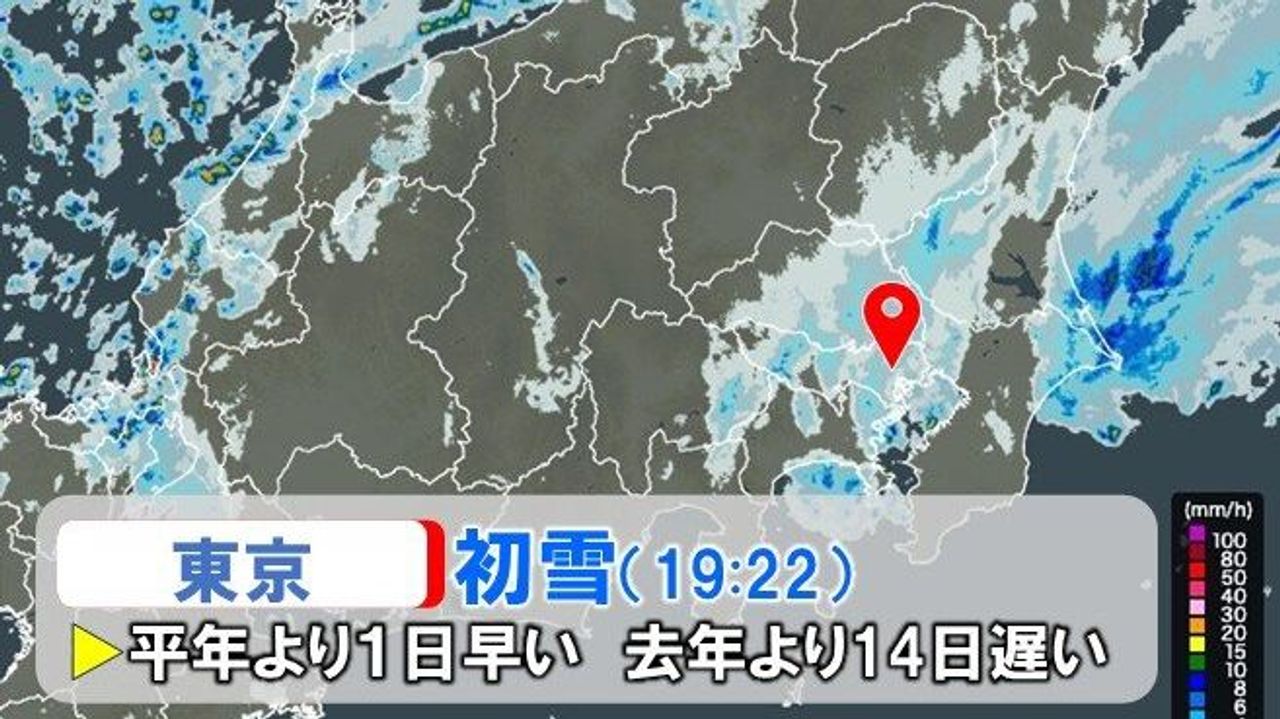
On January 2nd (Friday) at around 7:20 PM, Tokyo officially recorded its 初雪 (hatsuyuki), the first snowfall of the season. This event, captured through careful 観測 (kansoku, observation), arrived just one day earlier than the 平年 (heinen, average year) date, though it’s 14 days later than last year’s first snow. The snow is expected to fall across the Kanto region, including Tokyo, 3日土曜日までにかけて (san-nichi doyōbi made ni kakete, through Saturday, January 3rd). Even in central Tokyo’s flat urban areas, some 積雪 (sekisetsu, snow accumulation) is likely, while mountainous areas brace for 大雪 (ooyuki, heavy snowfall). Authorities are also warning about 路面 (romen, road surfaces) and the risk of 凍結 (tooketsu, freezing or icing over), urging caution through Saturday morning as travel could become hazardous.
If you’ve ever listened to Japanese news or chatted with friends in Japan during winter, you’ll notice how these terms pop up naturally. Weather isn’t just small talk—it’s a shared experience that ties people to the seasons.
Cultural Context: The Poetry of Hatsuyuki
Beyond the weather report, 初雪 (hatsuyuki) holds a special place in Japanese culture. It’s one of many “firsts” that mark the passage of time, alongside events like 初日の出 (hatsuhinode, the first sunrise of the year) or 初詣 (hatsumode, the first shrine visit). These moments are celebrated with a quiet reverence, reflecting Japan’s deep connection to nature’s cycles. Hearing someone mention 初雪 isn’t just about snow—it’s an invitation to pause and appreciate the fleeting beauty of the season. For learners like you, this is a chance to see how Japanese language weaves seasonal awareness into everyday life, making even a weather update feel like poetry.
Learn Japanese from This Article
Let’s turn this snowy moment into a learning opportunity! Below, you’ll find key vocabulary from the news, plus grammar patterns to help you talk about weather and events like a native. These are words and structures you’d encounter in real Japanese conversations or media, not just textbook examples.
Key Vocabulary for Winter Weather
| Japanese | Romaji | Meaning |
|---|---|---|
| 初雪 | hatsuyuki | first snowfall of the year |
| 観測 | kansoku | observation, measurement |
| 積雪 | sekisetsu | snow accumulation |
| 大雪 | ooyuki | heavy snowfall |
| 路面 | romen | road surface |
| 凍結 | tooketsu | freezing, icing over |
| 平年 | heinen | average year, normal year |
These words are your gateway to discussing winter in Japan. Try using 大雪 (ooyuki) when warning a friend about heavy snow, or mention 路面 (romen) and 凍結 (tooketsu) to sound like you’re tuned into local concerns.
Grammar Spotlight: 〜にかけて and 〜そうです
Let’s break down two useful patterns from this news story that will level up your Japanese.
1. 〜にかけて (ni kakete): Through, Over the Course of, Until
This pattern describes a span of time or space over which something happens. It’s perfect for talking about ongoing events like snowfall.
- Structure: [Time/Place] + にかけて
- Examples:
- 3日土曜日までにかけて雪が降るそうです。 (San-nichi doyōbi made ni kakete yuki ga furu sō desu.) "It seems snow will fall through Saturday, January 3rd."
- 夜から朝にかけて寒くなります。 (Yoru kara asa ni kakete samuku narimasu.) "It will get cold from night through morning."
- 関東地方全域にかけて大雪の警報が出ています。 (Kantō chihō zen’iki ni kakete ooyuki no keihō ga deteimasu.) "A heavy snowfall warning is out across the entire Kanto region."
Use this when you want to describe something happening over a period or area—it’s a natural way to sound precise about timing or coverage.
2. 〜そうです (sō desu): Seems Like, Appears That (Reporting or Hearsay)
This pattern conveys information you’ve heard or observed, often used in news or when relaying something indirectly. It adds a layer of “this is what I’ve been told” to your statement.
- Structure: [Plain form verb/adjective] + そうです
- Examples:
- 雪が降るそうです。 (Yuki ga furu sō desu.) "It seems it will snow."
- 道路が凍結しているそうです。 (Dōro ga tōketsu shiteiru sō desu.) "It appears the roads are icy."
- 明日は大雪だそうです。 (Ashita wa ooyuki da sō desu.) "They say tomorrow will have heavy snow."
This is incredibly useful for reporting news or sharing updates without claiming direct knowledge. You’ll hear it all the time in Japanese media or polite conversation.
Useful Expression: Talking About First Snow
Here’s a quick phrase to impress your Japanese friends or teachers when discussing seasonal events:
- 今年の初雪を見ましたか? (Kotoshi no hatsuyuki o mimashita ka?) "Did you see this year’s first snowfall?"
It’s a simple way to start a conversation about 初雪 (hatsuyuki) and connect over shared seasonal experiences.
Continue Learning
Want to dive deeper into Japanese language and culture? Check out these related lessons from "Japanese from Japan" to build on what you’ve learned today:
- Wa vs. Ga: Emphasizing Importance in Sentences: Want to learn more about は? Check out our lesson on Wa vs. Ga: Emphasizing Importance in Sentences.
- Time and Dates: Tense-Free Expressions: To understand more about time, explore our Time and Dates: Tense-Free Expressions lesson.
- Greetings and Self-Introductions: Authentic Entry Phrases: Want to learn more about culture? Check out our lesson on Greetings and Self-Introductions: Authentic Entry Phrases.
Learning Japanese isn’t just about words—it’s about stepping into the rhythm of Japanese life. Whether it’s chatting about 初雪 (hatsuyuki) or navigating icy roads, every phrase brings you closer to authentic connection. Keep practicing, and you’ll soon find yourself speaking Japanese as naturally as the seasons change.
これからもよろしくお願いします。 Kore kara mo yoroshiku onegaishimasu.