
New Year's Snowstorm in Japan: A Glimpse into Language and Life
Imagine ringing in the New Year, not with the usual calm of family gatherings or shrine visits, but with urgent weather warnings blaring across the news. On January 1, 2001, Japan’s northern regions faced exactly that as a powerful winter storm swept in, threatening travel chaos and hazardous conditions. If you’ve ever wondered how real-life events in Japan can shape your language learning, this news story offers a perfect window. You’ll discover not just the words used in urgent public announcements, but also how deeply nature and culture intertwine in Japanese life. Let’s dive into this snapshot of history and learn Japanese the authentic way—straight from Japan.
A Stormy Start to the Year
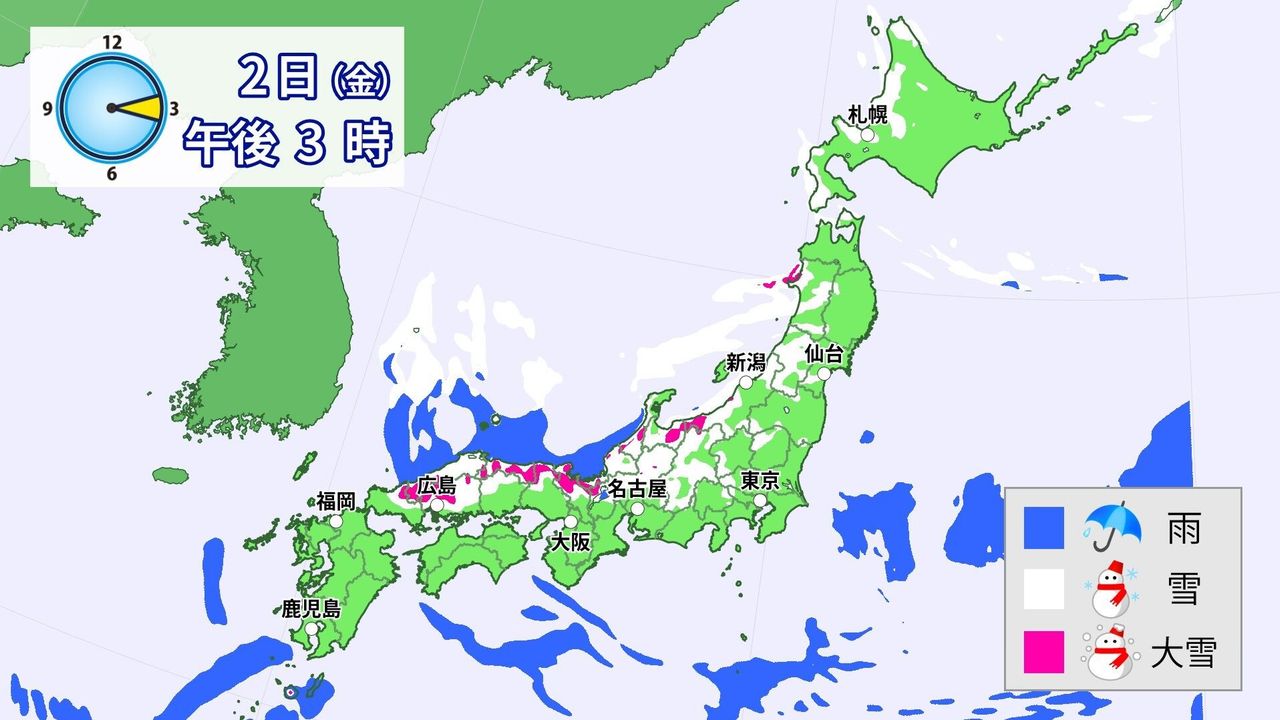
On 元日 (Ganjitsu), the traditional term for New Year’s Day, a fierce winter storm gripped northern Japan, particularly the Tohoku region. According to a report from Yahoo! Japan, heavy snowfall—known as 大雪 (Ōyuki)—posed significant risks of 交通障害 (kōtsū shōgai), or traffic disruptions, making travel a challenge during this sacred holiday period. The warnings didn’t stop there. Northern Japan was expected to face heavy snow through January 2nd, while eastern and western regions were urged to remain on 警戒 (keikai)—a state of caution or alertness—through January 3rd.
Beyond snow, the forecast highlighted other dangers like 落雷 (rakurai), meaning thunderbolts or lightning strikes, and 突風 (toppū), sudden violent gusts of wind. There was even a risk of 竜巻 (tatsumaki), or tornadoes, across a wide area from northern to western Japan. For many Japanese people, this wasn’t just a weather update—it was a disruption to the quiet reflection and family traditions of the New Year. Through this real news story, you can see how language in Japan often carries a sense of urgency and formality in times of crisis.
Cultural Context: Nature and New Year in Japan
In Japan, the New Year, or お正月 (Oshōgatsu), isn’t just a holiday—it’s the heart of the year, filled with rituals like 初詣 (Hatsumōde), the first shrine visit to pray for good fortune. But when nature strikes with something as powerful as 大雪 (Ōyuki), even these deeply rooted traditions can be upended. Families might have to cancel trips or adjust plans, a stark reminder of how weather shapes life in regions like Tohoku, where winter is often harsh.
This connection between nature and culture runs deep in Japan. Seasonal changes don’t just affect the weather—they influence festivals, food, and even the language you hear in daily life. When you learn Japanese as it’s taught in Japan, you’re not just memorizing words; you’re stepping into a worldview where a term like 大雪 (Ōyuki) isn’t just “heavy snow”—it’s a force that can alter the rhythm of an entire community. Let’s use this story to uncover some practical language you can apply right away.
Learn Japanese from This Article
Essential Vocabulary
Here are some key terms from the news story that you’ll encounter in real Japanese media, especially during weather emergencies. These aren’t just textbook words—they’re the kind of language you’d hear on the ground in Japan.
| Japanese | Romaji | Meaning |
|---|---|---|
| 大雪 | Ōyuki | Heavy snow |
| 元日 | Ganjitsu | New Year's Day (Jan 1) |
| 交通障害 | Kōtsū shōgai | Traffic disruption |
| 警戒 | Keikai | Caution, alertness |
| 落雷 | Rakurai | Thunderbolt, lightning strike |
| 竜巻 | Tatsumaki | Tornado |
| 突風 | Toppū | Sudden gust of wind |
Grammar Spotlight: 〜にかけて and 〜が必要だ
Let’s break down two useful grammar patterns that often appear in weather reports and public announcements like this one.
1. 〜にかけて (~ni kakete) - Through, Over the Course of (a Period of Time)
This pattern is used to describe something happening over a range of time or places. It’s common in forecasts to indicate duration or coverage.
- Structure: [Time/Place A] から [Time/Place B] にかけて
- Example 1: 1月1日から2日にかけて大雪が降るでしょう。 (Gatsu ichinichi kara futsuka ni kakete ōyuki ga furu deshō.) - Heavy snow is expected from January 1st through the 2nd.
- Example 2: 北部から西部にかけて警戒が必要です。 (Hokubu kara seibu ni kakete keikai ga hitsuyō desu.) - Caution is needed from the northern to western regions.
Use this when you want to talk about something spanning a period or area, just like in weather updates or travel plans.
2. 〜が必要だ (~ga hitsuyō da) - Is Necessary, Is Needed
This pattern expresses necessity and is often used in formal or advisory contexts like warnings.
- Structure: [Noun] が 必要だ
- Example 1: 警戒が必要です。 (Keikai ga hitsuyō desu.) - Caution is necessary.
- Example 2: 安全な場所への避難が必要です。 (Anzen na basho e no hinan ga hitsuyō desu.) - Evacuation to a safe place is necessary.
You’ll hear this in urgent situations or instructions, making it a practical phrase to recognize and use when discussing needs or requirements.
Useful Expression
One phrase that ties into the cultural aspect of this story is お正月 (Oshōgatsu), referring to the New Year period. It’s more than just “New Year”—it encompasses the traditions, family time, and spiritual renewal of the season. Try using it in a sentence like: お正月に家族と過ごします。 (Oshōgatsu ni kazoku to sugoshimasu.) - I’ll spend the New Year with my family.
Continue Learning
Ready to build on what you’ve learned here? Check out these lessons to deepen your understanding of Japanese language and culture:
- To understand more about vocabulary, explore our Basic Vocabulary Building: Embracing Words Without Latin Ties lesson.
- Working on your reading skills? Our Chinese Influence on Japanese: Kanji and Borrowed Vocabulary lesson is a great next step.
- Curious about the Japanese used here? Our Wa vs. Ga: Emphasizing Importance in Sentences lesson covers this in depth.
Learning Japanese isn’t just about words—it’s about stepping into the experiences and perspectives of native speakers. Keep exploring with us, and you’ll find the language coming alive in ways you never expected.
これからもよろしくお願いします。 Kore kara mo yoroshiku onegaishimasu.