
New Year Cold Wave Hits Japan: Weather, Culture, and Language Lessons
As the New Year dawns in 2026, Japan is bracing for a biting 正月寒波 (shougatsu kanpa, New Year cold wave) that’s sweeping across the nation. If you’ve ever wondered how Japanese people navigate nature’s challenges during one of the most sacred times of the year, this weather event offers a perfect window into both the culture and the language. From heavy snow in the north to the possibility of Tokyo’s 初雪 (hatsuyuki, first snow of the year), let’s dive into this news story while picking up some practical Japanese along the way—straight from the way it’s taught in Japan.
A Powerful Cold Wave Grips Japan
Starting January 1, 2026, a fierce cold wave has taken hold of Japan, bringing warnings of 大雪 (ooyuki, heavy snow) and 吹雪 (fubuki, blizzard) to regions like 北日本 (kita nihon, Northern Japan) and 北陸 (hokuriku, a region along the Sea of Japan). By January 2, this frigid front is expected to reach western areas such as 九州 (kyuushuu, Kyushu) and 四国 (shikoku, Shikoku), potentially causing 積雪 (sekisetsu, snow accumulation) and 交通障害 (koutsuu shougai, traffic disruptions). Authorities are on high alert, urging caution as transportation systems across the country could be heavily impacted.
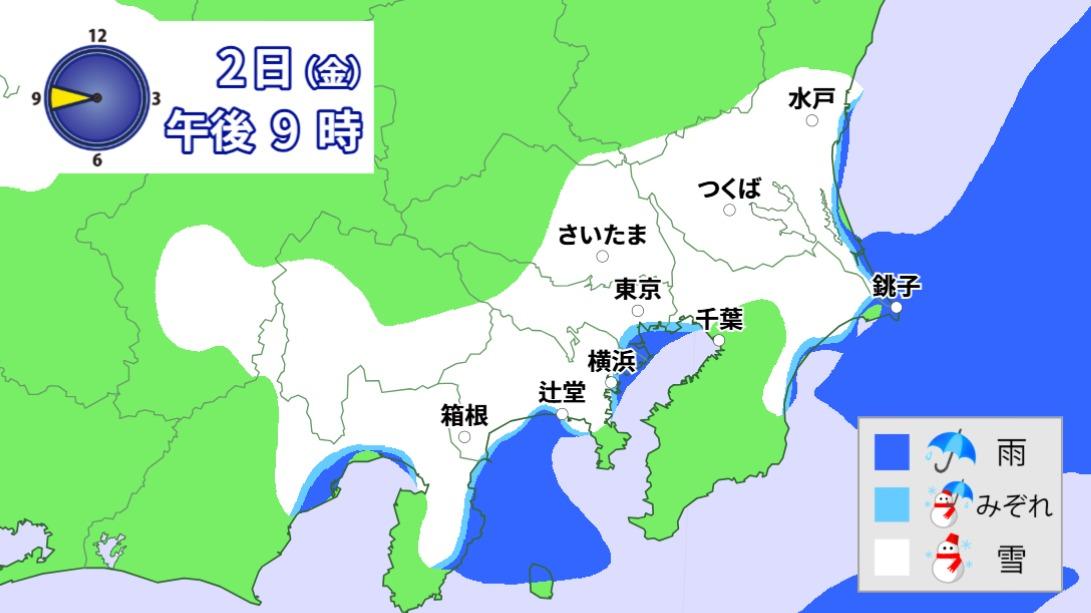
Even central Tokyo isn’t escaping the chill. Forecasts predict that snow clouds might form over the Kanto region by the evening of January 2, raising the chance of seeing the capital’s 初雪 (hatsuyuki, first snow of the year). While significant accumulation in downtown Tokyo is unlikely, inland and higher elevation areas might get a light dusting. This kind of unpredictable winter weather highlights Japan’s diverse geography and how it shapes daily life.
Impact on the Iconic Hakone Ekiden
One major concern tied to this cold wave is its potential to disrupt the beloved 箱根駅伝 (hakone ekiden), a long-distance relay race held annually on January 2 and 3. Celebrating its 102nd event in 2026, this race is a cornerstone of New Year traditions, showcasing university teams battling through the rugged terrain of the 箱根 (hakone) area. Snow is forecasted for higher elevations like 強羅 (goura) and near 芦ノ湖 (ashinoko, Lake Ashi), where temperatures could drop to -5°C by the morning of January 3. There’s a real worry—expressed in Japanese as おそれがある (osore ga aru, there is a risk of)—that icy roads might affect the athletes’ safety and performance. Fans and organizers are holding their breath, hoping nature cooperates.
Cultural Context: New Year and Nature in Japan
In Japan, the New Year period, or 正月 (shougatsu), is far more than just a date on the calendar. It’s a time for renewal, family reunions, and spiritual rituals like 初詣 (hatsumoude, the first shrine visit of the year). A cold wave during this sacred time can impact these traditions, as well as events like the Hakone Ekiden, which embodies the Japanese values of perseverance and teamwork to kick off the year. The idea of 初雪 (hatsuyuki, first snow) also holds a special, almost poetic significance in Japanese culture, symbolizing purity and fresh starts.
Weather in Japan isn’t just a forecast—it’s deeply tied to regional identities. The heavy snows of the 日本海側 (nihonkai-gawa, Sea of Japan side) contrast with the milder winters of the 太平洋側 (taiheiyou-gawa, Pacific side), shaping how people prepare and talk about the seasons. For you as a learner, this news story isn’t just about snow; it’s a chance to see how Japanese language reflects a unique relationship with nature and community, giving you a deeper understanding beyond textbook phrases.
Learn Japanese from This Article
Let’s turn this weather update into a learning opportunity. Below, you’ll find key vocabulary, grammar patterns, and expressions pulled straight from this story. These are taught the way Japanese children learn them—through context and real-life usage, not just rote memorization.
Key Vocabulary
| Japanese | Romaji | Meaning |
|---|---|---|
| 正月寒波 | shougatsu kanpa | New Year cold wave |
| 大雪 | ooyuki | Heavy snow |
| 吹雪 | fubuki | Blizzard, snowstorm |
| 初雪 | hatsuyuki | First snow of the year |
| 交通障害 | koutsuu shougai | Traffic disruption |
| 積雪 | sekisetsu | Snow accumulation |
| 箱根駅伝 | hakone ekiden | Hakone Ekiden (relay race) |
Grammar Spotlight: Expressing Possibility and Risk
When talking about weather forecasts or potential disruptions, Japanese often uses expressions to indicate possibility or concern. Let’s look at two key patterns used in this context.
〜のおそれがある (osore ga aru): There is a risk/fear of ~
- Structure: [Event/Condition] + の + おそれがある
- Meaning: Used to express worry or concern about something that might happen, often in formal or news contexts.
- Examples:
- 道路が凍結するおそれがあります。 (Douro ga touketsu suru osore ga arimasu.) "There is a risk that the roads will freeze."
- 大雪による交通障害のおそれがあります。 (Ooyuki ni yoru koutsuu shougai no osore ga arimasu.) "There is a risk of traffic disruptions due to heavy snow."
〜かもしれない (kamoshirenai): Might, may (indicating possibility)
- Structure: [Verb plain form] + かもしれない
- Meaning: A more casual way to express uncertainty or possibility, often used in everyday speech.
- Examples:
- 東京で初雪が降るかもしれない。 (Toukyou de hatsuyuki ga furu kamoshirenai.) "It might snow for the first time in Tokyo."
- 箱根駅伝が遅れるかもしれない。 (Hakone ekiden ga okureru kamoshirenai.) "The Hakone Ekiden might be delayed."
These patterns are incredibly useful for discussing uncertain events like weather or plans. Practice them by imagining different scenarios—maybe a blizzard in your area or a delayed event—and see how naturally they fit into conversation.
Continue Learning
Ready to build on what you’ve learned here? Check out these lessons from "Japanese from Japan" to deepen your understanding of key concepts:
- Ni, De, and E: Mapping Directions and Locations: Ready to dive deeper? Our lesson on Ni, De, and E: Mapping Directions and Locations will help you master these concepts.
- Time and Dates: Tense-Free Expressions: Curious about the Japanese used here? Our Time and Dates: Tense-Free Expressions lesson covers this in depth.
- Wa vs. Ga: Emphasizing Importance in Sentences: Want to learn more about は? Check out our lesson on Wa vs. Ga: Emphasizing Importance in Sentences.
Learning Japanese isn’t just about words—it’s about connecting with the culture and context behind them. Keep exploring with us, and you’ll find yourself speaking and thinking like a native in no time.
これからもよろしくお願いします。 Kore kara mo yoroshiku onegaishimasu.