
Unpacking 3COINS’ 2026 Fukubukuro: The Cheapest Lucky Bags in Japan?
Imagine walking into a store in Japan where almost everything costs just 300 yen—about $2. That’s the charm of 3COINS(スリーコインズ) (Suriikoinzu), a beloved budget shop that’s become a go-to for affordable treasures. Every year, their 福袋 (fukubukuro), or "lucky bags," pull in crowds eager to snag incredible New Year deals. In 2026, these mystery bags are making waves again, possibly as the cheapest in the industry. Let’s dive into what’s inside this year’s offerings, why they’re creating such a buzz, and how you can learn authentic Japanese while exploring this fun tradition.
What’s Inside 3COINS’ 2026 Lucky Bags?
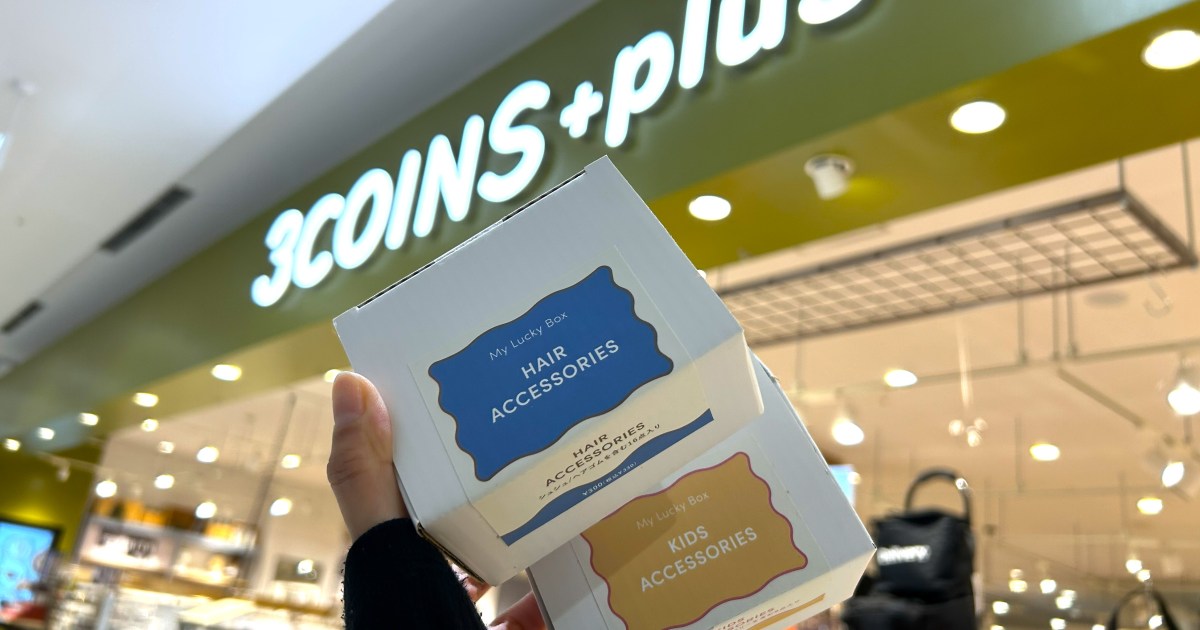
This year, 3COINS has rolled out their iconic HAPPY BOX (Happii Bokkusu) lucky bags with prices that seem almost unbelievable. A reporter from Rocket News grabbed two boxes to test the hype. First up is the ヘアアクセサリー (hea akusesarii) box, or hair accessories, priced at just 330 yen (tax included). Inside? A whopping 16 items like scrunchies and hair ties. Then there’s the キッズアクセサリー (kizzu akusesarii) box for kids’ accessories at 550 yen, packed with 8 pieces including earrings, a mirror, and more hair goodies.
The 2026 lineup doesn’t stop there. You’ll also find boxes for earrings or piercings in silver and gold, nail polish sets, and fast gel nail kits—all at the jaw-dropping price of 330 yen. According to the report, these 低価格 (teikakaku), or low prices, might just crown 3COINS as the most affordable lucky bag provider out there. And here’s a bonus: unlike last year, you don’t need a reservation ticket. Just stroll into a store, and they’re yours to grab.
A Shift in Style and Focus
While the prices remain unbeatable, the contents of 3COINS’ lucky bags have changed over time, reflecting the store’s own evolution. Once known for a vibe similar to 100-yen shops with lots of 雑貨 (zakka), or miscellaneous goods, 3COINS has shifted to a more polished, minimalist 雰囲気 (fun’iki), or atmosphere, much like 無印良品 (Mujirushi Ryōhin), known as MUJI. With this change, their lucky bags have become more niche, focusing heavily on accessories and nail products.
In the past, these bags offered a wider variety of everyday items, appealing to a broader crowd. Now, with many of 3COINS’ goods experiencing 値上げ (neage), or price hikes, the lucky bags stick to items that fit the iconic 300-yen mark. This year’s focus on hair accessories might narrow the audience to those who use such items regularly, but for them, it’s a steal. Even the kids’ accessories can be 重宝 (chouhou), or handy, for adults depending on their needs.
A Small Miracle Amid Rising Costs
What shines through in the report is a sense of gratitude. In a world where prices for everything are creeping up, 3COINS is holding strong with these ultra-affordable lucky bags. The reporter reflects on how buying these bags year after year feels like tracing a history—of trends, store identities, and economic shifts. There’s a quiet hope that 3COINS will keep this tradition alive into 2027, continuing to offer small joys at a price that feels like a miracle.
Cultural Context: The Magic of Fukubukuro
If you’re new to Japanese customs, let’s unpack the tradition of 福袋 (fukubukuro), which literally means "lucky bag." This New Year’s shopping ritual dates back decades, with stores across Japan—from luxury department stores to budget chains like 3COINS—offering mystery bags filled with random items at discounted prices. The thrill? You don’t know what’s inside until you open it. This element of surprise, paired with the promise of a bargain, makes 福袋 an exciting way to kick off the year.
It also ties into the Japanese value of welcoming good fortune (運 - un) through the first purchases of the season, known as 初売り (hatsuuri), or "first sale." For a store like 3COINS, maintaining 低価格 (teikakaku), or affordability, reflects a commitment to accessibility—a value deeply appreciated in Japanese consumer culture, especially during tough economic times.
Learn Japanese from This Article
Ready to pick up some authentic Japanese while exploring this fun topic? Here at "Japanese from Japan," we teach the language the way it’s learned by native speakers, straight from the source. Let’s break down some key vocabulary and grammar from this story that you can start using today.
Key Vocabulary
| Japanese | Romaji | Meaning |
|---|---|---|
| 福袋 | fukubukuro | lucky bag, mystery bag sold at New Year |
| 低価格 | teikakaku | low price, affordable |
| アクセサリー | akusesarii | accessory (jewelry, hair items, etc.) |
| 雑貨 | zakka | miscellaneous goods, small items |
| 値上げ | neage | price increase, price hike |
| 重宝 | chouhou | useful, handy, valuable |
| 雰囲気 | fun’iki | atmosphere, vibe |
Grammar Spotlight: 〜ている (Ongoing Action or State)
One grammar point you’ll hear all the time in Japanese is 〜ている (~te iru), used to describe ongoing actions, states, or habitual behaviors. It’s similar to the English present continuous ("is doing") but can also indicate a continuing state or something done regularly.
- Structure: Verb (て-form) + いる
- Examples:
- 3COINSは低価格を続けている。(Suriikoinzu wa teikakaku o tsudzukete iru.) "3COINS is continuing to keep low prices."
- 私は毎年福袋を買っている。(Watashi wa maitoshi fukubukuro o katte iru.) "I buy lucky bags every year."
- 最近、物価が上がっている。(Saikin, bukka ga agatte iru.) "Recently, prices are rising."
When to Use: Use 〜ている when talking about something happening right now, a state that persists, or a habit. Unlike English, it’s often used with verbs like "know" or "live" to show a current state (e.g., 知っている - shitte iru - "I know").
Grammar Spotlight: 〜そう(だ) (Seems Like, Looks Like)
Another useful pattern is 〜そう(だ) (~sou da), which means "seems like" or "looks like." It’s a great way to express an impression or assumption based on what you see or hear.
- Structure: Verb (stem form) / Adjective (drop い for い-adjectives) + そう(だ)
- Examples:
- この福袋はお得そうだ。(Kono fukubukuro wa otoku sou da.) "This lucky bag seems like a good deal."
- 3COINSの商品が値上げしそうだ。(Suriikoinzu no shouhin ga neage shi sou da.) "It seems like 3COINS’ products might increase in price."
- 店の雰囲気が良さそうだ。(Mise no fun’iki ga yosa sou da.) "The store’s atmosphere looks nice."
When to Use: Use 〜そう(だ) to share an observation or guess about something. It’s perfect for casual conversation and softens statements by showing it’s just your impression.
Continue Learning
Want to dive deeper into Japanese grammar and usage? Check out these lessons from "Japanese from Japan" to build on what you’ve learned here:
- Ni, De, and E: Mapping Directions and Locations: To understand more about に, explore our Ni, De, and E: Mapping Directions and Locations lesson.
- Nai Form: Negating Without Auxiliary Words: Want to understand the verb forms used here? Check out Nai Form: Negating Without Auxiliary Words.
- Wa vs. Ga: Emphasizing Importance in Sentences: To understand more about は, explore our Wa vs. Ga: Emphasizing Importance in Sentences lesson.
これからもよろしくお願いします。 Kore kara mo yoroshiku onegaishimasu.