
Unboxing Japan's Retro Game Lucky Bags: A 2024 Treasure Hunt
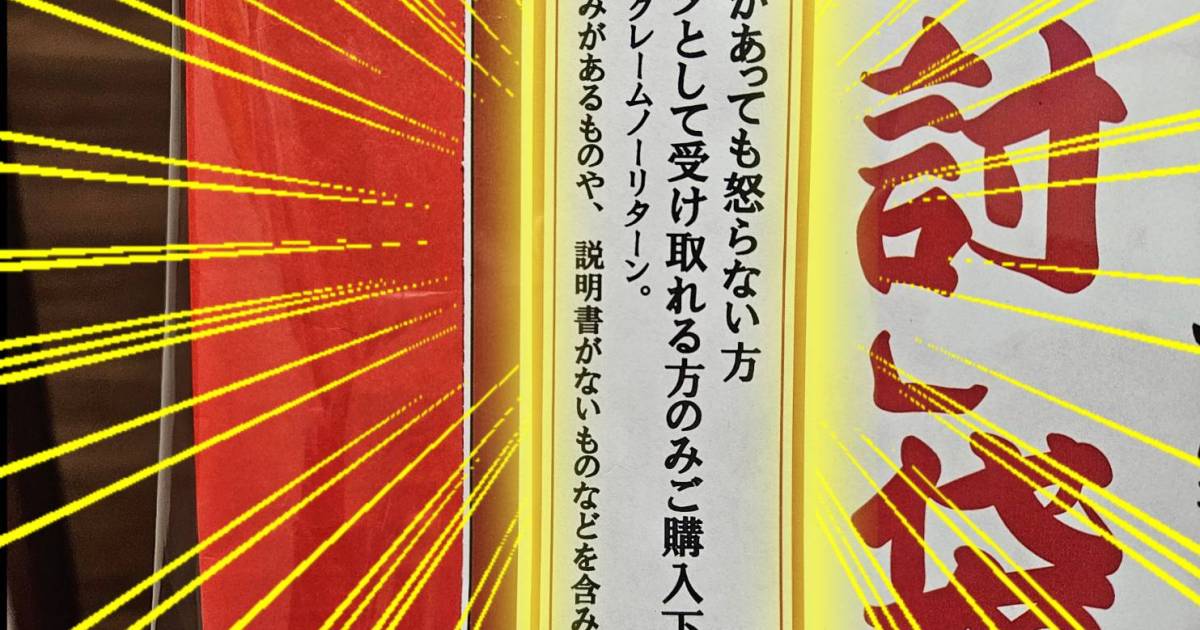
Imagine wandering into a quirky recycle shop in Hachioji, Tokyo, and spotting a mysterious sign on a stack of 福袋 (fukubukuro - lucky bags) that reads: "Only for those who won't get angry no matter what." Intriguing, isn’t it? If you’ve ever dreamed of diving into Japanese culture through its unique traditions and modern passions, this story from Rocket News about ぐるぐる大帝国 (Guruguru Dai Teikoku - Guruguru Great Empire) and their infamous retro game lucky bags will pull you right in. Let’s unpack this 2024 phenomenon and discover how it can help you learn authentic Japanese along the way.
The Return of the Mysterious Lucky Bags
As the New Year rolls around in Japan, shops nationwide roll out 福袋 (fukubukuro), special mystery bags filled with discounted items. It’s a beloved tradition, but Guruguru Dai Teikoku, a unique リサイクルショップ (risaikuru shoppu - recycle shop), takes it to another level with their retro game lucky bags. Each bag is marked with cryptic single characters like 愛 (ai - love), 討 (tou - conquer), 有 (yuu - have), and 集 (shuu - gather), hinting at themed contents. The shop’s playful warning—“don’t buy if you’ll get angry”—adds a layer of thrill to the gamble. According to Rocket News, who made a 突撃 (totsugeki - sudden visit) to the shop in late 2024, these bags were flying off the shelves, with only a few left for eager treasure hunters.
Unboxing Retro Treasures
The Rocket News team snagged four bags, priced between 550 and 1,100 yen (about $4 to $8), and their unboxing felt like a journey back in time. The 愛 (ai - love) bag for PSP revealed eight romance-themed games, packed with virtual dating scenarios and dreamy イケメン (ikemen - handsome guys). The 討 (tou - conquer) bag for PS3 included 10 titles, featuring 名作 (meisaku - masterpieces) like Koei Tecmo’s 無双シリーズ (Musou Shirīzu - Dynasty Warriors series). Meanwhile, the 有 (yuu - have) bag for Nintendo DS offered classics like Final Fantasy 3 and the nostalgic 桃太郎電鉄 (Momotarō Dentetsu - Momotaro Railway). Finally, the 集 (shuu - gather) bag for Wii came with six games, including a rare 未開封 (mikaifuu - unopened) 美品 (bihin - item in good condition) of the スーパーマリオコレクション スペシャルパック (Sūpā Mario Korekushon Supesharu Pakku - Super Mario Collection Special Pack), complete with a pristine soundtrack and booklet.
A Deal Too Good to Be True?
Here’s where the shop’s cheeky warning starts to hit home. After calculating the secondhand market value of their 29-game haul, Rocket News found it worth 18,320 yen (about $130)—an insane return for bags costing less than 4,000 yen total. It’s almost frustrating how good the deal was! This blend of nostalgia, surprise, and value makes these lucky bags a thrilling gamble for retro gaming fans. As Rocket News reported, とのこと (to no koto - according to), the limited stock turned the shop into a hotspot for collectors in late 2024. If you’re curious about Japanese trends, why not 試してみる (tameshite miru - try doing) by exploring similar cultural experiences yourself?
Cultural Context
For many English speakers, 福袋 (fukubukuro - lucky bags) might seem like a quirky sales gimmick, but in Japan, they’re a cherished New Year tradition tied to renewal and good fortune. Dating back to the Edo period, merchants sold sealed bags of leftover goods to clear inventory, and over time, this became a symbol of luck—buyers take a chance on the unknown, hoping for treasures. Today, these bags are sold everywhere, from luxury department stores to unique shops like Guruguru Dai Teikoku, often around January 1st. What sets this shop apart is its playful spin, merging gaming nostalgia with the gamble of mystery contents. Their humorous warning not to get angry reflects a Japanese cultural nuance—encouraging patience and a lighthearted attitude, values deeply embedded in daily life. For learners like you, stories like this reveal how traditions evolve with modern passions, offering a window into authentic Japanese life beyond textbook lessons.
Learn Japanese from This Article
Let’s dive into some practical language lessons inspired by this treasure hunt. Whether you’re planning a 突撃 (totsugeki - sudden visit) to a Japanese shop or just want to chat about retro games, these words and patterns will help you sound more natural.
Vocabulary Spotlight
| Japanese | Romaji | Meaning |
|---|---|---|
| 福袋 | fukubukuro | lucky bag (mystery bag sold at a discount, often for New Year) |
| リサイクルショップ | risaikuru shoppu | recycle shop, second-hand store |
| 名作 | meisaku | masterpiece, classic work |
| 未開封 | mikaifuu | unopened, sealed |
| 美品 | bihin | item in good condition, like new |
| イケメン | ikemen | handsome guy, good-looking man |
| 突撃 | totsugeki | charge, sudden visit, raid |
Grammar Spotlight
1. 〜とのこと (to no koto) - According to, It is said that
This pattern is used to report information you’ve heard or read, often from a reliable source. It’s a great way to share news or rumors in a neutral tone, much like Rocket News reporting on the lucky bags.
- Structure: [Statement/Information] + とのこと
- Example 1: この福袋はとてもお得だとのこと。 (Kono fukubukuro wa totemo otoku da to no koto.
- According to reports, this lucky bag is a great deal.)
- Example 2: お店にはもう少ししか在庫がないとのこと。 (Omise ni wa mō sukoshi shika zaiko ga nai to no koto.
- It is said that the shop has only a little stock left.)
- When to use: Perfect for relaying information from articles, friends, or hearsay in a formal or semi-formal context.
2. 〜てみる (te miru) - Try doing something (to see how it is)
This pattern combines the te-form of a verb with みる (miru - to see) to express trying something out to see the result or experience. It’s ideal for suggesting or describing exploratory actions.
- Structure: [Verb in te-form] + みる
- Example 1: 福袋を買ってみる。 (Fukubukuro o katte miru.
- I’ll try buying a lucky bag.)
- Example 2: リサイクルショップに行ってみる。 (Risaikuru shoppu ni itte miru.
- I’ll try going to a recycle shop.)
- When to use: Use this when you want to express curiosity or experimentation, like trying a new cultural experience in Japan.
Useful Expression
- 何があっても怒らない (Nani ga atte mo okoranai) - No matter what happens, (I/they) won’t get angry.
This phrase from the shop’s sign is a fun way to set a playful or serious condition. It combines 何があっても (nani ga atte mo
- no matter what happens) with a negative verb for emphasis.
Continue Learning
Ready to build on what you’ve learned? Check out these lessons to deepen your understanding of Japanese language and culture:
- Ni, De, and E: Mapping Directions and Locations: Curious about navigating Japanese shops or locations? Our Ni, De, and E: Mapping Directions and Locations lesson covers this in depth.
- Wa vs. Ga: Emphasizing Importance in Sentences: Want to express yourself more naturally? Our lesson on Wa vs. Ga: Emphasizing Importance in Sentences will help you master these concepts.
- The Unique Sounds of Japanese: Retraining English Ears: To understand more about pronunciation, explore our The Unique Sounds of Japanese: Retraining English Ears lesson.
Whether you’re hunting for retro treasures or just exploring Japanese traditions, keep practicing and enjoying the journey. これからもよろしくお願いします。 Kore kara mo yoroshiku onegaishimasu.