
Japan's 2025 New Year Cold Wave: Weather, Culture, and Language Lessons
As the new year dawns, have you ever wondered how Japan welcomes the first days of January? If you picture serene shrines, family gatherings, and maybe a dusting of snow, you’re not far off—but this year, Japan is bracing for something more intense. A powerful cold wave, known as 正月寒波 (shougatsu kanpa), is sweeping across the country, bringing frigid temperatures and even rare snowfall to places like Tokyo. Let’s dive into this wintry forecast, explore its cultural significance, and pick up some authentic Japanese along the way, just as it’s taught in Japan.
A Chilly Start to 2025: The New Year Cold Wave
Japan is no stranger to winter, but the upcoming 寒波 (kanpa), or cold wave, is set to make the start of 2025 especially memorable. Meteorologists are warning of a sharp temperature drop starting on New Year’s Eve, with the cold front moving south from northern Japan through the first few days of January. On the Japan Sea side, expect 大雪 (ooyuki), heavy snowfall, and even 吹雪 (fubuki), blizzards, which could create dangerous conditions. Authorities are urging residents to stay alert with a sense of 警戒 (keikai), or caution, especially for travel disruptions.
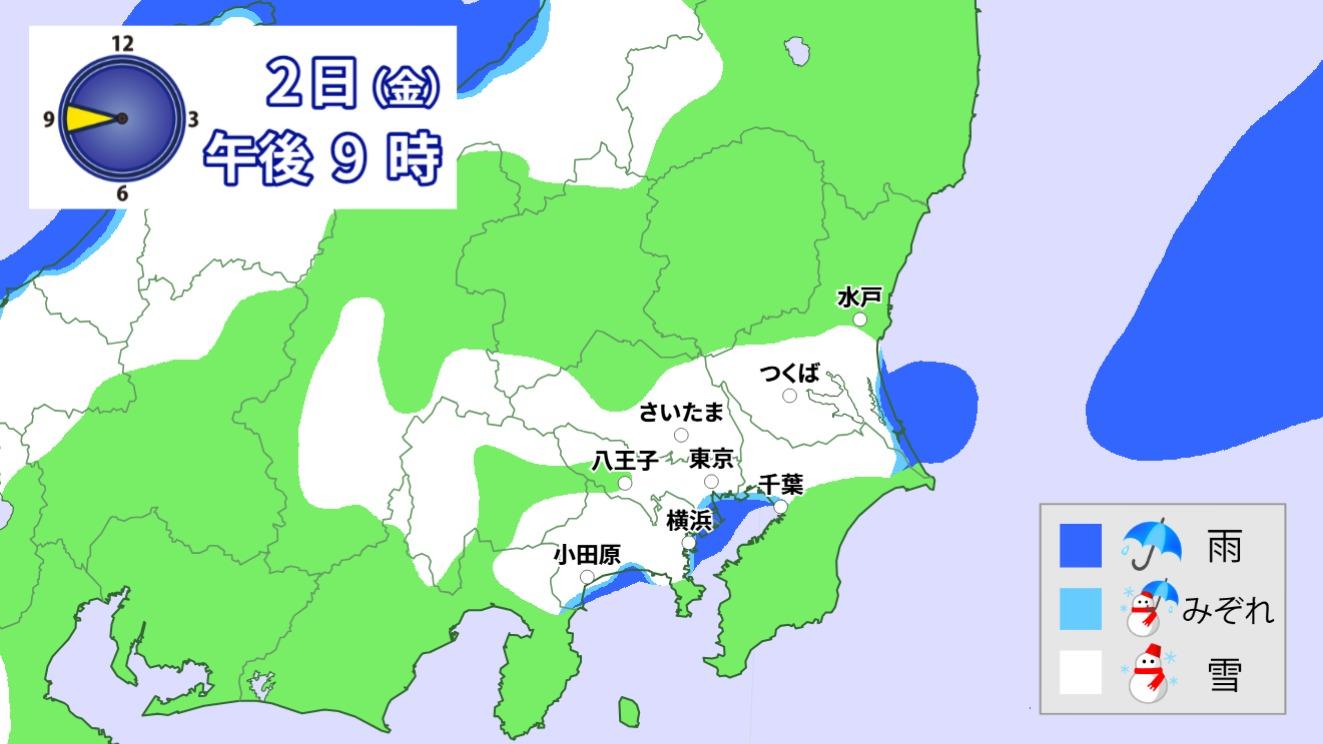
Even the Kanto region, including Tokyo, isn’t escaping this wintry grip. By the night of January 2nd, a rare 降雪 (kousetsu), or snowfall, is predicted, with minimal 積雪 (sekisetsu), snow accumulation, of about 0.5 to 1 millimeter in central Tokyo. However, some areas might see up to 10 millimeters, enough for a thin snowy blanket. Watch out for icy 路面 (romen), road surfaces, as temperatures plummet. If you’re in Japan or planning to visit, this is a reminder to stay updated on forecasts—winter weather here can change in a flash.
Why Snow in Kanto? Unpacking the Science
So, why is a region like Kanto, which usually enjoys milder winters, facing this unexpected 降雪 (kousetsu)? Experts point to a weather phenomenon called a シアーライン (shiārain), or shear line, where opposing winds collide to create sudden, localized snow fronts. Unlike broader systems that dump heavy snow, this can lead to short bursts of flurries, sometimes with thunder. According to the Japan Meteorological Agency, snow clouds are expected to form over Kanto from 6 PM on January 2nd, drifting north to south through the night. It’s a fascinating glimpse into how unpredictable Japanese winters can be, even in urban areas.
Cultural Context: Winter and New Year Traditions
The timing of this cold wave couldn’t be more significant. In Japan, the New Year, or 正月 (shougatsu), is the most cherished holiday, a time for family, reflection, and renewal. Many Japanese visit shrines for 初詣 (hatsumoude), the first shrine visit of the year, while others watch the 初日の出 (hatsuhinode), the first sunrise, symbolizing hope. Thankfully, the forecast predicts clear skies on the Pacific side for New Year’s Eve, perfect for this tradition.
Snow, too, holds a poetic place in Japanese culture, often representing purity and a fresh start. However, a sudden snowfall in Kanto or heavy 大雪 (ooyuki) on the Japan Sea side can disrupt holiday travel plans. It’s a reminder that weather in Japan isn’t just a backdrop—it shapes how people live and celebrate. Whether it’s bundling up for a shrine visit or navigating icy 路面 (romen), winter weaves itself into the fabric of 正月 (shougatsu).
Learn Japanese from This Article
If you’ve ever wanted to learn Japanese the way it’s taught in Japan—rooted in real contexts like weather and culture—let’s break down some key language from this cold wave forecast. Here’s your chance to build vocabulary and grasp grammar patterns that native speakers use every day.
Essential Winter Weather Vocabulary
| Japanese | Romaji | Meaning |
|---|---|---|
| 寒波 | kanpa | cold wave |
| 大雪 | ooyuki | heavy snowfall |
| 吹雪 | fubuki | blizzard, snowstorm |
| 降雪 | kousetsu | snowfall |
| 積雪 | sekisetsu | snow accumulation |
| 路面 | romen | road surface |
| 警戒 | keikai | caution, alertness |
These words aren’t just for weather reports—you’ll hear them in daily conversations during winter, especially if you’re in Japan. Try using 警戒 (keikai) when reminding someone to be careful on icy roads!
Grammar Spotlight: 〜にかけ(て) and 〜が必要だ
Let’s look at two useful grammar patterns that pop up in contexts like weather forecasts and holiday planning.
〜にかけ(て): This means “over the period of” or “through” and is often used to describe something happening across a span of time. It’s perfect for talking about events like this cold wave.
- Structure: Time Period + にかけ(て)
- Example 1: 新年にかけて寒波が来ます。 (Shinnen ni kakete kanpa ga kimasu.) - A cold wave will come over the New Year period.
- Example 2: 1月1日から3日にかけて大雪が降るでしょう。 (Ichigatsu tsuitachi kara mikka ni kakete ooyuki ga furu deshou.) - Heavy snow is expected from January 1st through the 3rd.
- When to use: Use this to describe events or conditions spanning a specific timeframe, like holidays or weather changes.
〜が必要だ: This means “is necessary” or “is needed” and is used to express something required, often in warnings or advice.
- Structure: Noun + が + 必要だ
- Example 1: 路面が凍るので警戒が必要です。 (Romen ga kooru node keikai ga hitsuyou desu.) - Caution is necessary because the road surface will freeze.
- Example 2: 吹雪の日は暖かい服が必要です。 (Fubuki no hi wa atatakai fuku ga hitsuyou desu.) - Warm clothes are needed on blizzard days.
- When to use: Use this to stress importance or necessity, especially in practical situations like preparing for winter weather.
Useful Expression: Stay Safe!
A handy phrase to remember during unpredictable weather is 気をつけてください。 (Ki o tsukete kudasai.), which means “Please be careful.” Whether it’s icy roads or a sudden 吹雪 (fubuki), this shows concern and care, a hallmark of Japanese communication.
Continue Learning
Want to dive deeper into Japanese as it’s taught in Japan? Check out these lessons to build your skills:
- Time and Dates: Tense-Free Expressions: Want to learn more about time? Check out our lesson on Time and Dates: Tense-Free Expressions.
- Basic Vocabulary Building: Embracing Words Without Latin Ties: To understand more about food, explore our Basic Vocabulary Building: Embracing Words Without Latin Ties lesson.
- Ni, De, and E: Mapping Directions and Locations: Want to learn more about に? Check out our lesson on Ni, De, and E: Mapping Directions and Locations.
Learning Japanese isn’t just about words—it’s about connecting with the culture and context behind them. Keep exploring with us, and you’ll soon speak and think like a native.
これからもよろしくお願いします。 Kore kara mo yoroshiku onegaishimasu.