
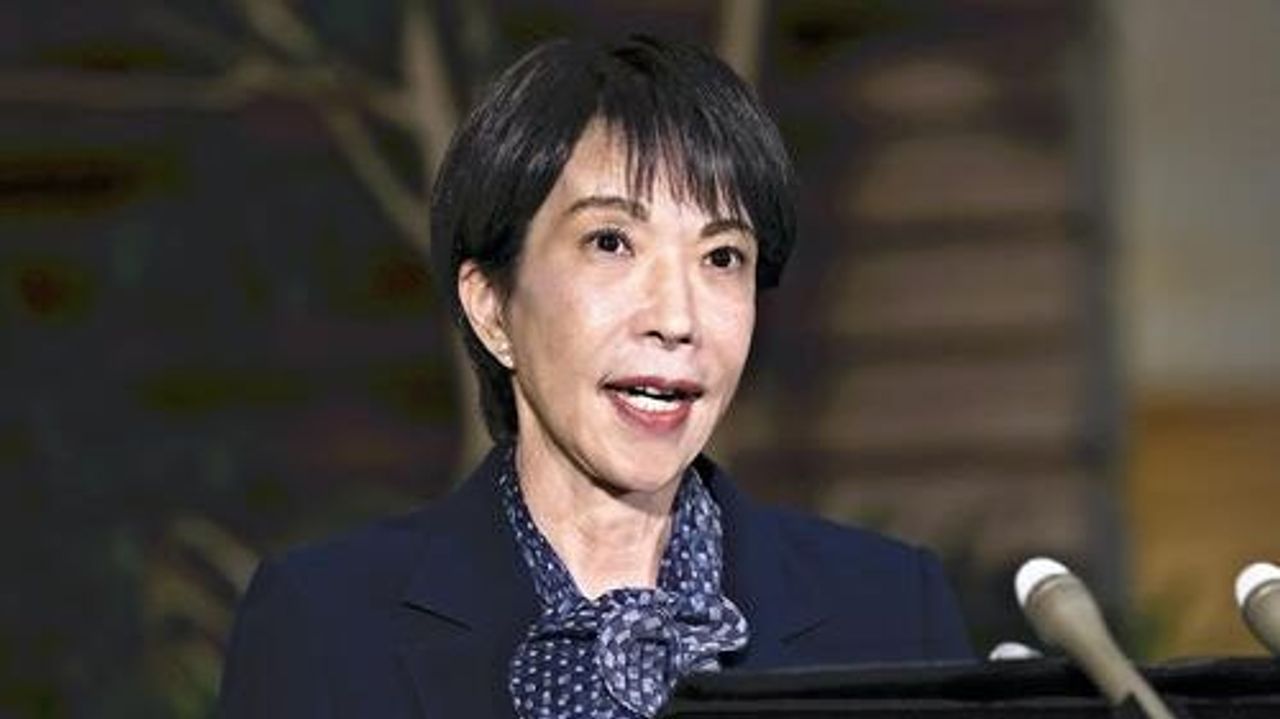
Prime Minister Takaichi Skips Overseas Trips for Domestic Focus
Have you ever wondered how Japanese leaders balance global diplomacy with the needs of their own people? In a surprising move, Prime Minister Takaichi has decided to break from a long-standing tradition of early-year overseas trips, choosing instead to prioritize pressing issues at home. For learners of Japanese, this news offers not just a glimpse into modern governance but also a chance to explore authentic language and cultural values straight from Japan. Let’s dive into this story and uncover some useful vocabulary and grammar along the way!
A Break from Tradition
In Japan, it’s been a common 慣例 (kanrei, custom or tradition) for prime ministers to embark on 外遊 (gaiyū, overseas tour) at the start of the year, typically visiting two foreign countries before the regular session of the National Diet in January. This practice isn’t just about diplomacy; it’s a symbolic gesture of Japan’s global engagement. However, Prime Minister 首相 (shushō) Takaichi has decided to forgo these trips, a decision that has been described as 内政方向となった (naisei hōkō to natta, has been decided to move in the direction of domestic affairs). Instead of international visits, the focus is on 内政 (naisei, domestic affairs), particularly tackling challenges like 物価高 (bukkakō, rising prices).
What’s interesting is that while Takaichi opts for personal restraint, cabinet ministers are being encouraged to pursue foreign engagements. This balance of staying home つつ (tsutsu, while) delegating international outreach shows a strategic approach to leadership. It’s a fascinating insight into how Japanese governance adapts to current needs.
Cultural Context: Harmony and Prioritization
In Japanese culture, the role of a leader often extends beyond policy to embody societal values. The early-year 外遊 (gaiyū) tradition ties into the cultural significance of the New Year as a time of renewal, where projecting a strong global presence is seen as auspicious. By choosing to focus on domestic issues, Takaichi reflects the concept of 和 (wa, harmony), a core Japanese value that emphasizes the well-being of the community. This decision isn’t just political—it’s a cultural statement about prioritizing the nation’s immediate needs over symbolic gestures. For language learners, understanding this interplay between politics and culture helps you grasp why certain expressions or actions carry deeper meaning in Japan.
Learn Japanese from This Article
If you’re eager to learn Japanese the way it’s taught in Japan, let’s break down some key terms and grammar from this story. These are words and patterns you’ll encounter in news, conversations, and everyday life.
Key Vocabulary
| Japanese | Romaji | Meaning |
|---|---|---|
| 外遊 | gaiyū | overseas tour, foreign visit |
| 内政 | naisei | domestic affairs, internal politics |
| 物価高 | bukkakō | rising prices, high cost of living |
| 首相 | shushō | prime minister |
| 慣例 | kanrei | custom, convention, tradition |
| 対策 | taisaku | countermeasure, policy to address an issue |
| 召集 | shōshū | convocation, summoning (e.g., of a meeting or assembly) |
These terms are incredibly useful if you’re following Japanese news or discussing politics. For instance, 対策 (taisaku) is a word you’ll hear often in contexts beyond politics—like planning solutions for personal or community issues.
Grammar Spotlight
Let’s look at two grammar patterns that appear in discussions like this one. These will help you sound more natural when expressing decisions or simultaneous actions.
1. 〜方向となった (hōkō to natta): Has been decided to move in the direction of ~
This pattern indicates a decision or shift toward a certain direction or focus. It’s often used in formal or news contexts to describe policy or strategic changes.
- 内政方向となった。 (Naisei hōkō to natta.) - It has been decided to move in the direction of domestic affairs.
- 新しい対策の方向となった。 (Atarashii taisaku no hōkō to natta.) - It has been decided to move toward new countermeasures.
- 改革の方向となった。 (Kaikaku no hōkō to natta.) - It has been decided to move in the direction of reform.
Use this when discussing decisions or trends, especially in formal writing or reporting.
2. 〜つつ (tsutsu): While doing ~, at the same time as ~
This pattern describes two actions happening simultaneously, often with a sense of balance or contrast. It’s more formal than other “while” expressions like 〜ながら (nagara).
- 国内に留まりつつ、閣僚に外遊を促している。 (Kokunai ni todomari tsutsu, kakuryō ni gaiyū o unagashite iru.) - While staying in the country, (the Prime Minister) is encouraging cabinet ministers to travel abroad.
- 仕事をしつつ、勉強も続けている。 (Shigoto o shi tsutsu, benkyō mo tsudzukete iru.) - While working, (I’m) also continuing to study.
- 問題を解決しつつ、関係を保つ。 (Mondai o kaiketsu shi tsutsu, kankei o tamotsu.) - While solving the problem, (we) maintain the relationship.
This is great for expressing multitasking or balancing acts in a nuanced, formal way.
Useful Expression
Here’s a bonus phrase you might hear in political or formal contexts: 召集する (shōshū suru), meaning “to convene” or “to summon.” For example, 国会を召集する (Kokkai o shōshū suru) translates to “convene the National Diet.” It’s a term rooted in official proceedings and adds a layer of sophistication to your Japanese.
Continue Learning
Want to deepen your understanding of Japanese language and culture? Check out these lessons tailored to help you learn authentically:
- Wa vs. Ga: Emphasizing Importance in Sentences: To understand more about は, explore our Wa vs. Ga: Emphasizing Importance in Sentences lesson.
- Greetings and Self-Introductions: Authentic Entry Phrases: Want to learn more about culture? Check out our lesson on Greetings and Self-Introductions: Authentic Entry Phrases.
- Nai Form: Negating Without Auxiliary Words: Want to understand the verb forms used here? Check out Nai Form: Negating Without Auxiliary Words.
Closing
Thanks for joining us on this journey into Japanese politics, culture, and language. Keep exploring, and you’ll discover how every news story can be a stepping stone to mastering Japanese authentically. これからもよろしくお願いします。 Kore kara mo yoroshiku onegaishimasu.