
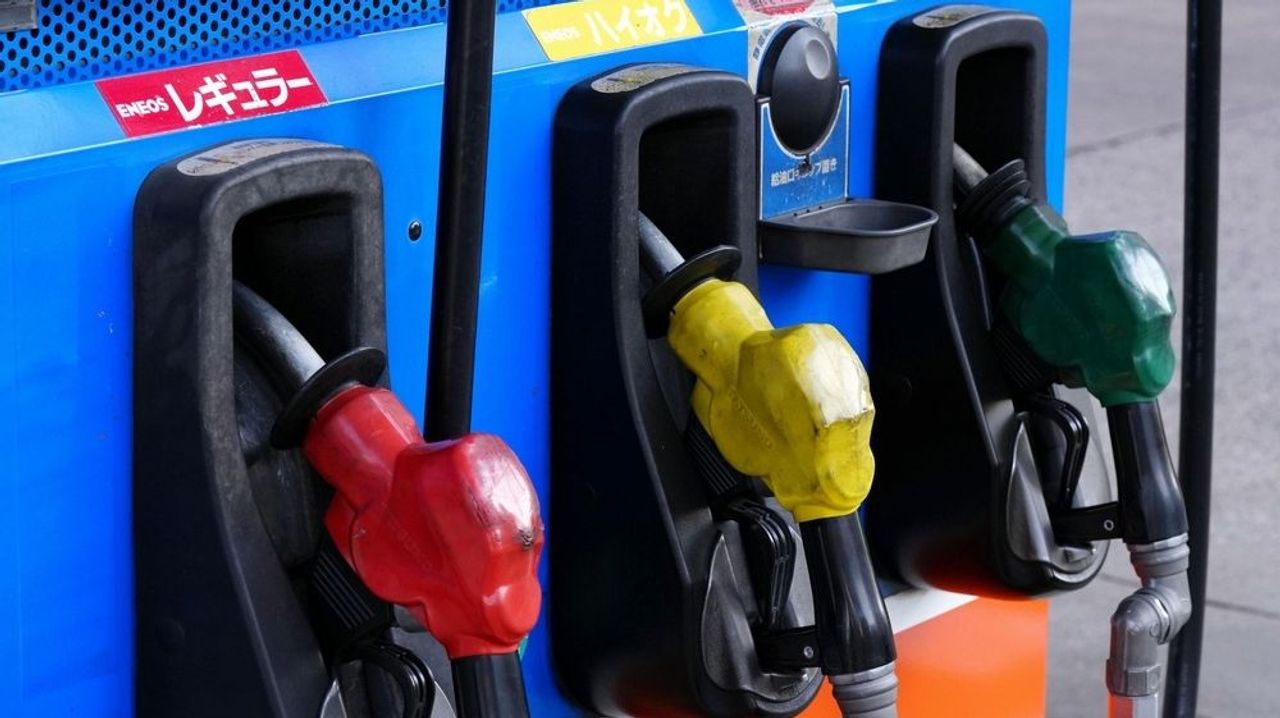
Japan Scraps Gasoline Tax: A Win for Drivers and Your Wallet
Have you ever wondered how much of your hard-earned money goes into something as simple as filling up your car in Japan? If you've been curious about the everyday issues shaping life in Japan, you're in for a treat. On December 31, 2001, the Japanese government made a game-changing decision by abolishing the provisional gasoline tax surcharge, known as 暫定税率 (zantei zeiritsu), a hefty 25.1 yen per liter added to fuel costs. This isn’t just about cheaper gas—it’s a window into the intersection of policy, economics, and the daily struggles of Japanese people. Let’s dive into what this means and how you can learn authentic Japanese from this real-world event.
The End of a Long-Standing Burden
For nearly 50 years, since its introduction in 1974, the 暫定税率 (zantei zeiritsu), or provisional tax rate, has been a major source of 財源 (zaigen - financial resources) for the Japanese government. Originally designed to fund road maintenance and infrastructure like highways, this tax became a significant 負担 (futan - burden) on drivers. Imagine paying extra every time you fill up your tank, knowing that money isn’t just for gas but for a policy many felt was unfair. Political debates raged for decades over whether this tax disproportionately hurt commuters and rural residents who rely on cars.
By announcing the 廃止 (haishi - abolition) of this surcharge, the government’s aim is clear: put more money back into people’s pockets. The purpose behind this move, as we’d say in Japanese, is 消費を増やすのが狙いだ (shouhi o fuyasu no ga nerai da - the aim is to increase spending). Beyond individual drivers, there’s also a ripple effect. It’s expected that logistics companies, or 物流 (butsuryuu), will see reduced costs, which could lead to lower prices on goods. In short, 恩恵を受けることが期待されている (onkei o ukeru koto ga kitai sarete iru - it is expected that benefits will be received) by many, even those who don’t drive.
Cultural Context: Cars, Costs, and Fairness in Japan
To truly grasp why this tax abolition matters, let’s take a step into Japan’s relationship with cars and infrastructure. After World War II, Japan’s economic boom led to massive investments in road networks, often funded through taxes like the 暫定税率 (zantei zeiritsu). Cars became symbols of modernity and personal freedom, but owning one has never been cheap. From expensive parking to toll roads and high fuel costs, driving in Japan comes with a price tag that reflects a balance between personal convenience and public good.
For many Japanese, fuel taxes aren’t just numbers on a receipt—they’re a reminder of the trade-offs between individual needs and societal benefits. Scrapping this surcharge isn’t just about saving money; it taps into a deeper cultural conversation about fairness and economic relief. It’s a glimpse into how policy decisions resonate in the daily lives of people across Japan, from city commuters to rural families.
Learn Japanese from This Article
What better way to learn Japanese than by diving into real-world topics like this? Here, we’ve pulled out key vocabulary and grammar patterns straight from the context of this news story. Let’s break it down the way Japanese children learn—through meaning and usage, not just rote memorization.
Key Vocabulary
| Japanese | Romaji | Meaning |
|---|---|---|
| 暫定税率 | zantei zeiritsu | provisional tax rate |
| 廃止 | haishi | abolition, repeal |
| 負担 | futan | burden, load |
| 財源 | zaigen | financial resources, revenue |
| 消費 | shouhi | consumption, spending |
| 恩恵 | onkei | benefit, favor |
| 物流 | butsuryuu | logistics, distribution |
These words aren’t just useful for understanding news—they pop up in everyday conversations about money, work, and life in Japan. Try using 負担 (futan) next time you talk about a heavy workload or expense!
Grammar Spotlight: Expressing Purpose and Expectation
Let’s look at two grammar patterns that help you express purpose and expectation, both of which are straight out of this news story.
1. 〜のが狙いだ (~no ga nerai da) - The aim/purpose is to ~
This pattern explains the goal or intention behind an action. It’s often used in formal or explanatory contexts like news.
- Structure: Verb (dictionary form) + のが狙いだ
- Example 1: 消費を増やすのが狙いだ。 (Shouhi o fuyasu no ga nerai da.
- The aim is to increase spending.)
- Example 2: コストを下げるのが狙いだ。 (Kosuto o sageru no ga nerai da.
- The purpose is to lower costs.)
- Example 3: 環境を守るのが狙いだ。 (Kankyou o mamoru no ga nerai da.
- The goal is to protect the environment.)
Use this when explaining intentions behind decisions, whether it’s a government policy or a personal plan.
2. 〜ことが期待されている (~koto ga kitai sarete iru) - It is expected that ~
This formal expression conveys expectations, often used in news or reports to describe anticipated outcomes.
- Structure: Verb (dictionary form) + ことが期待されている
- Example 1: 恩恵を受けることが期待されている。 (Onkei o ukeru koto ga kitai sarete iru.
- It is expected that benefits will be received.)
- Example 2: 経済が回復することが期待されている。 (Keizai ga kaifuku suru koto ga kitai sarete iru.
- It is expected that the economy will recover.)
- Example 3: 問題が解決することが期待されている。 (Mondai ga kaiketsu suru koto ga kitai sarete iru.
- It is expected that the issue will be resolved.)
This pattern is perfect for discussing predictions or hopes in a polished, formal way.
Useful Expression
Here’s a quick phrase you’ll hear often when discussing policies or changes in Japan: 負担を軽減する (futan o keigen suru - to reduce the burden). Use it when talking about easing stress, costs, or responsibilities. For example: 新しい政策は負担を軽減する。 (Atarashii seisaku wa futan o keigen suru. - The new policy reduces the burden.)
Continue Learning
Ready to take your Japanese to the next level? Check out these lessons to build on what you’ve learned today:
- Wa vs. Ga: Emphasizing Importance in Sentences: Ready to dive deeper? Our lesson on Wa vs. Ga: Emphasizing Importance in Sentences will help you master these concepts.
- Ni, De, and E: Mapping Directions and Locations: Ready to dive deeper? Our lesson on Ni, De, and E: Mapping Directions and Locations will help you master these concepts.
- Time and Dates: Tense-Free Expressions: Want to learn more about time? Check out our lesson on Time and Dates: Tense-Free Expressions.
Learning Japanese isn’t just about words and grammar—it’s about connecting with the culture and real-life events like this tax abolition. Keep exploring with us, and you’ll be amazed at how much you pick up along the way.
これからもよろしくお願いします。 Kore kara mo yoroshiku onegaishimasu.