
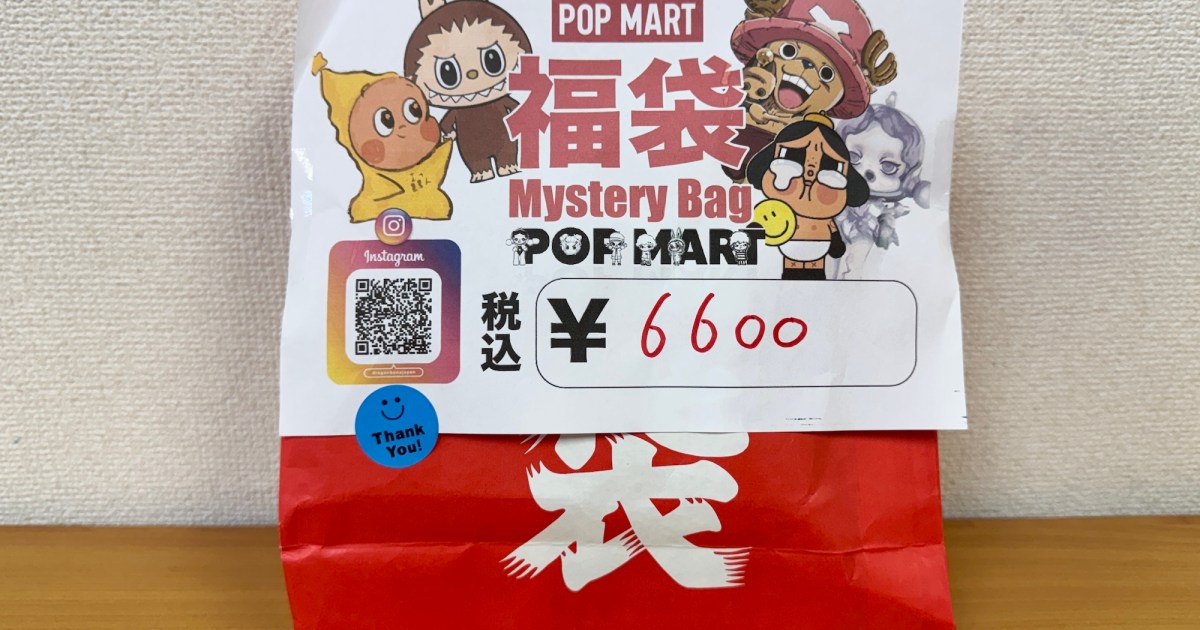
Unboxing Kindness: My POP MART Lucky Bag Adventure in Nakano Broadway
If you’ve ever dreamed of stumbling upon a hidden gem in the heart of Tokyo’s otaku paradise, let me take you on a journey to Nakano Broadway just before Christmas. Picture this: narrow corridors buzzing with anime fans, shelves overflowing with collectibles, and then—bam!—a stack of 福袋 (fukubukuro), those iconic Japanese "lucky bags" packed with mystery goodies. Among them, I found a bag dedicated to POP MART, a Chinese art toy brand that’s sparked a massive ブーム (buumu) or craze in Japan. What started as a casual hunt for cute figurines turned into a heartwarming lesson in kindness that I’ll never forget. Ready to dive into the story—and learn some authentic Japanese along the way?
The Lucky Bag Hunt at Nakano Broadway
Nakano Broadway, often called the "holy land" for anime and manga lovers, is a labyrinth of niche shops in Tokyo’s Nakano ward. Tucked inside, Akiba Horyu Nakano stood out with its collection of POP MART products—think blind-box フィギュア (figyua), or collectible figures, that come with a surprise twist. POP MART’s star character, ラブブ (rabubu) or Labubu, has fans lining up for a chance to own one. But my personal 推し (oshi), or favorite, is actually スカルパンダ (sukarupanda)—Skullpanda, a quirky little character with a spooky-cute vibe. So when I spotted a POP MART 福袋 among the usual anime-themed lucky bags, I couldn’t help but wonder: could my favorite be hiding inside?
A Clerk’s Unexpected Kindness
As I stood there, torn between hope and doubt, a friendly store clerk approached with a warm smile. “ラブブが欲しいですか?” (Rabubu ga hoshii desu ka?)—"Do you want Labubu?" he asked in slightly accented Japanese. I admitted I was after Skullpanda, and what happened next blew me away. He picked up a few bags, shook them gently, and tapped them like he was cracking a code. “This one… probably Labubu,” he said. “And this… maybe Skullpanda.” Apparently, experienced staff can guess the contents by weight and feel! The 13,000-yen bag likely had Skullpanda, but it was out of my budget. Feeling a bit ずうずうしい (zuuzuushii)—shameless or cheeky—I asked him to pick a cheaper 6,600-yen bag that might have Labubu. He didn’t hesitate, and when I opened it later… jackpot! Two out of three figurines were Labubu designs, including one in a hilarious ab roller pose. I couldn’t stop smiling.
The Real Treasure Beyond Toys
The figurines were exciting, but the true highlight was the clerk’s kindness. Despite his imperfect Japanese, he spoke with heart: “We don’t make profit from these 福袋. We just want people to know our shop and feel happy.” His words hit deep. In a world where cultural tensions can create distance, here was someone—likely Chinese, based on his accent—working hard in Japan and building bridges through small acts of warmth. Unboxing my first Labubu was fun, but that moment of connection was the real treasure in my lucky bag. It made me think about how 知名度 (chimeido), or name recognition, isn’t just about a brand like POP MART—it’s about the people behind it.
Cultural Context: Lucky Bags and Otaku Culture
If you’re new to Japanese traditions, let’s unpack the magic of 福袋 (fukubukuro). These "lucky bags" are a New Year’s staple, where stores bundle unsold or exclusive items at a discount. The thrill? You don’t know what’s inside until you open it! This ties into a Japanese love for anticipation and small joys, often seen in seasonal events. Nakano Broadway takes this to another level with its otaku-centric vibe—a haven for fans of anime, manga, and niche hobbies. The rise of POP MART also shows how Japan embraces global pop culture while staying rooted in tradition. Some collectors even buy 福袋 for 転売 (tenbai), or resale, at a profit, though for me, it’s all about the personal joy. Understanding these layers gives you a deeper appreciation for modern Japanese culture and its evolving trends.
Learn Japanese from This Article
Want to talk about your own lucky bag adventures or chat about your 推し (oshi) with Japanese friends? Let’s break down some key language points from this story, taught the way native speakers learn—through context and real-life use.
Essential Vocabulary
| Japanese | Romaji | Meaning |
|---|---|---|
| 福袋 | fukubukuro | lucky bag, mystery bag sold at New Year or special occasions |
| フィギュア | figyua | figure, collectible model |
| ブーム | buumu | boom, craze, trend |
| 知名度 | chimeido | name recognition, fame |
| 推し | oshi | favorite (character, idol, etc.), someone or something you support |
| ずうずうしい | zuuzuushii | shameless, impudent, cheeky |
| 転売 | tenbai | resale, often for profit |
Grammar Spotlight: 〜ている and 〜っぽい
〜ている: This form shows an ongoing action or state. It’s like adding “-ing” in English or indicating something is currently happening. You’ll hear it all the time in casual conversations.
- Structure: Verb stem + ている
- Examples:
- 笑っている (waratteiru) - "I’m smiling" or "I’m laughing." (From my story: I couldn’t stop smiling at my Labubu!)
- 探している (sagashiteiru) - "I’m looking for." (I was looking for Skullpanda in the lucky bag.)
- 働いている (hataraiteiru) - "I’m working." (The clerk is working hard in Japan.)
- Use it when describing something happening right now or a current state.
〜っぽい: This casual suffix means “seems like” or “appears to be.” It’s great for expressing impressions or guesses, often used in everyday speech.
- Structure: Noun/Verb stem + っぽい
- Examples:
- ラブブっぽい (rabubu-ppoi) - "Seems like Labubu." (The clerk guessed the bag felt like it had Labubu inside.)
- 優しっぽい (yasashi-ppoi) - "Seems kind." (The clerk seemed kind with his warm smile.)
- Use it to share a hunch or describe something that feels a certain way without being 100% sure.
Useful Expression
- 〜が欲しいですか? (~ga hoshii desu ka?) - "Do you want ~?"
- This is a polite way to ask someone if they want something, as the clerk asked me about Labubu. Swap out the noun before が (ga) to ask about anything: フィギュアが欲しいですか? (Figyua ga hoshii desu ka?) - "Do you want a figure?"
Continue Learning
Ready to build on what you’ve learned? Check out these lessons to master more authentic Japanese:
- Ni, De, and E: Mapping Directions and Locations: Curious about navigating places like Nakano Broadway? This lesson covers location particles in depth.
- Wa vs. Ga: Emphasizing Importance in Sentences: Want to nail questions like ラブブが欲しいですか? Dive into this lesson on Wa vs. Ga.
- Nai Form: Negating Without Auxiliary Words: Ready to express what you don’t want? Learn negation with this detailed guide.
Let’s keep this journey going together. これからもよろしくお願いします。 Kore kara mo yoroshiku onegaishimasu.