
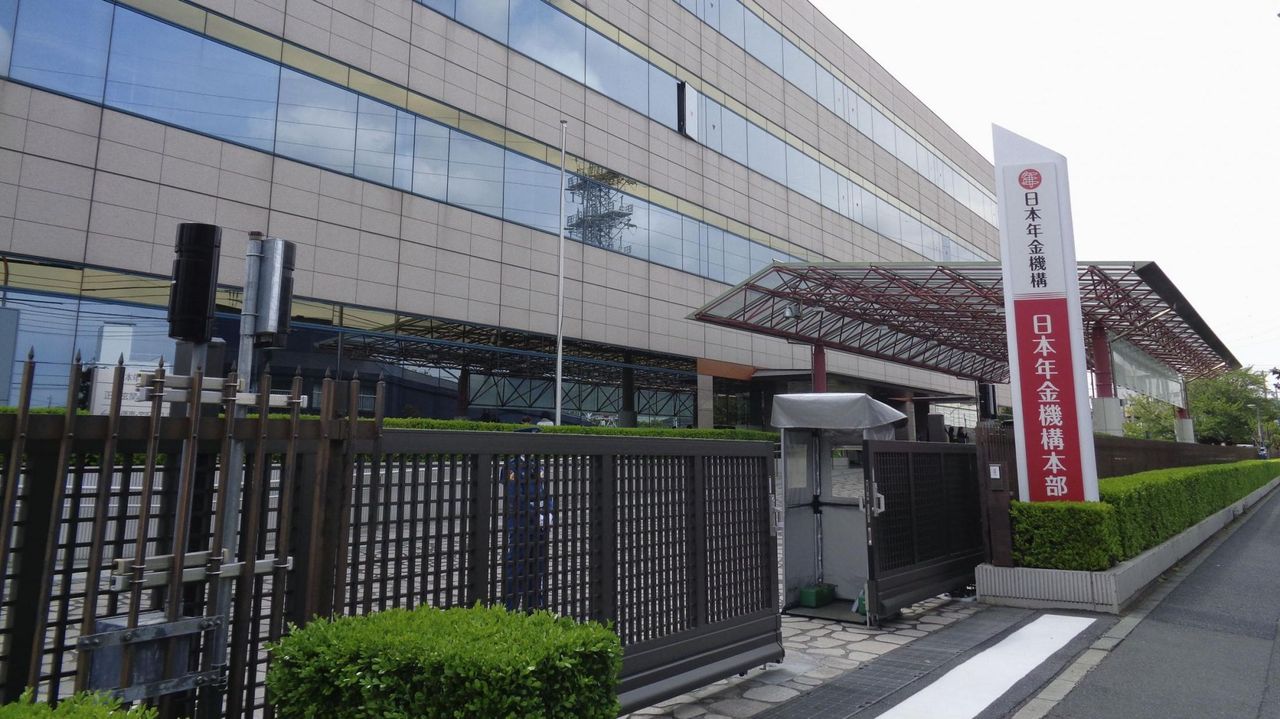
Japan Pension Scandal: A Lesson in Trust and Language
If you’ve ever wondered how real-world issues in Japan can deepen your understanding of the language, today’s story offers a powerful glimpse. Back on December 28, 2001, a troubling revelation surfaced about the 日本年金機構 (Nihon Nenkin Kikou), the Japan Pension Service. Reports revealed that employees were secretly discarding doctors’ assessments for disability pension applications when the results didn’t align with their expectations. This isn’t just a bureaucratic misstep—it’s a crack in the foundation of public trust, and it’s a chance for you to learn Japanese as it’s used in authentic, high-stakes contexts. Let’s dive into the story and uncover the language and cultural lessons it holds.
The Hidden Practice of Reassessments
At the heart of this news is the disability pension system, a vital support for individuals with disabilities in Japan. Known as 障害年金 (shougai nenkin), this system is managed by the Japan Pension Service. According to interviews with relevant sources, employees were found to be discarding initial assessments—labeled as 判定 (hantei)—if they deemed the results problematic, whether the decision was to grant or deny the pension. Instead of transparency, they would quietly request a second evaluation from a different doctor, a process described as 破棄 (haki) or disposal of the original records. When pressed, the organization admitted to this practice but claimed they were still in the process of 確認 (kakunin)—confirmation—of the full scope, including how many cases were affected. This lack of clarity raises serious questions about fairness for Japan’s most vulnerable citizens, like those referred to as 障害者 (shougaisha).
Cultural Context: The Weight of Trust
In Japan, public institutions are often seen as bastions of reliability, embodying the cultural value of 信頼 (shinrai)—trust. This expectation stems from a post-war era when systems like pensions (年金, nenkin) were established to rebuild and stabilize society. The idea of government agencies handling something as critical as 支給 (shikyuu)—the provision of benefits—with anything less than integrity can be deeply unsettling in a society that prioritizes harmony and adherence to rules. For Japanese people, this scandal isn’t just about paperwork; it’s about the erosion of a fundamental belief in the systems meant to protect. As a learner, understanding this backdrop helps you see why certain words and issues carry so much emotional and societal weight.
Learn Japanese from This Article
News stories like this are more than just information—they’re a window into the language as it’s used by native speakers in real contexts. Let’s break down some key vocabulary and grammar from this issue to help you learn Japanese the way it’s taught in Japan, rooted in authentic usage.
Key Vocabulary
| Japanese | Romaji | Meaning |
|---|---|---|
| 障害者 | shougaisha | person with a disability |
| 年金 | nenkin | pension |
| 支給 | shikyuu | payment, provision (of funds or benefits) |
| 判定 | hantei | judgment, assessment |
| 破棄 | haki | disposal, discarding |
| 信頼 | shinrai | trust, reliability |
| 確認 | kakunin | confirmation, verification |
These words aren’t just terms to memorize—they reflect the societal structures and values you’ll encounter in Japan. For instance, 信頼 (shinrai) is a concept you’ll hear often in discussions of relationships, business, and governance, making it a cornerstone of cultural understanding.
Grammar Spotlight: 〜か〜かを (Whether ... or ...)
One structure that pops up in discussions like this is 〜か〜かを, used to present alternatives in a decision or judgment. It’s perfect for expressing uncertainty or options, much like the debates over whether an assessment should be accepted or discarded in this scandal.
- Structure: [Option 1]か[Option 2]かを + verb (e.g., decide, consider)
- Example 1: 年金を支給するかしないかを決める。(Nenkin o shikyuu suru ka shinai ka o kimeru.) - Decide whether to provide the pension or not.
- Example 2: 判定を受け入れるか破棄するかを考える。(Hantei o ukeireru ka haki suru ka o kangaeru.) - Consider whether to accept or discard the assessment.
- Example 3: 信頼できるかできないかを確認する。(Shinrai dekiru ka dekinai ka o kakunin suru.) - Confirm whether it can be trusted or not.
This pattern is incredibly useful in formal or analytical contexts, helping you discuss choices or dilemmas as native speakers do.
Grammar Spotlight: 〜ことが分かった (It Was Found That ...)
Another key expression in news reporting is 〜ことが分かった, meaning “it was found that” or “it became clear that.” It’s often used to report discoveries or revelations, like in this pension scandal.
- Structure: [Fact/statement]ことが分かった
- Example 1: 判定が破棄されていたことが分かった。(Hantei ga haki sarete ita koto ga wakatta.) - It was found that assessments were being discarded.
- Example 2: 多くの障害者が影響を受けたことが分かった。(Ooku no shougaisha ga eikyou o uketa koto ga wakatta.) - It became clear that many people with disabilities were affected.
- Example 3: 信頼が揺らいでいることが分かった。(Shinrai ga yuraide iru koto ga wakatta.) - It was found that trust is wavering.
This structure is a staple in formal writing and news, giving you a way to sound polished and precise when discussing findings or outcomes.
Continue Learning
Ready to build on what you’ve learned from this story? Check out these lessons to deepen your understanding of Japanese language and culture:
- Basic Vocabulary Building: Embracing Words Without Latin Ties: Curious about the Japanese used here? Our Basic Vocabulary Building: Embracing Words Without Latin Ties lesson covers this in depth.
As you continue your journey with “Japanese from Japan,” remember that every story, every word, and every cultural insight brings you closer to understanding the heart of the language. Keep exploring, keep learning, and let’s uncover more together.
これからもよろしくお願いします。 Kore kara mo yoroshiku onegaishimasu.