
Japan's Year-End Holiday: Weather Challenges and Cultural Insights
As the year winds down, have you ever wondered how Japan celebrates the transition from old to new? If you’ve been following Japanese news or dreaming of experiencing the country’s unique traditions, you’re in for a treat. Right now, Japan is preparing for 年末年始 (nenmatsu nenshi), the year-end and New Year period, with many enjoying a long stretch of holidays from December 27th to January 4th—up to nine consecutive days off! But alongside the festive spirit, nature has its own plans, with weather forecasts predicting everything from snowfall to a biting cold wave. Let’s dive into what’s happening across Japan during this pivotal time and uncover some authentic language and cultural insights along the way.
Holiday Weather: A Mixed Bag of Snow and Chill
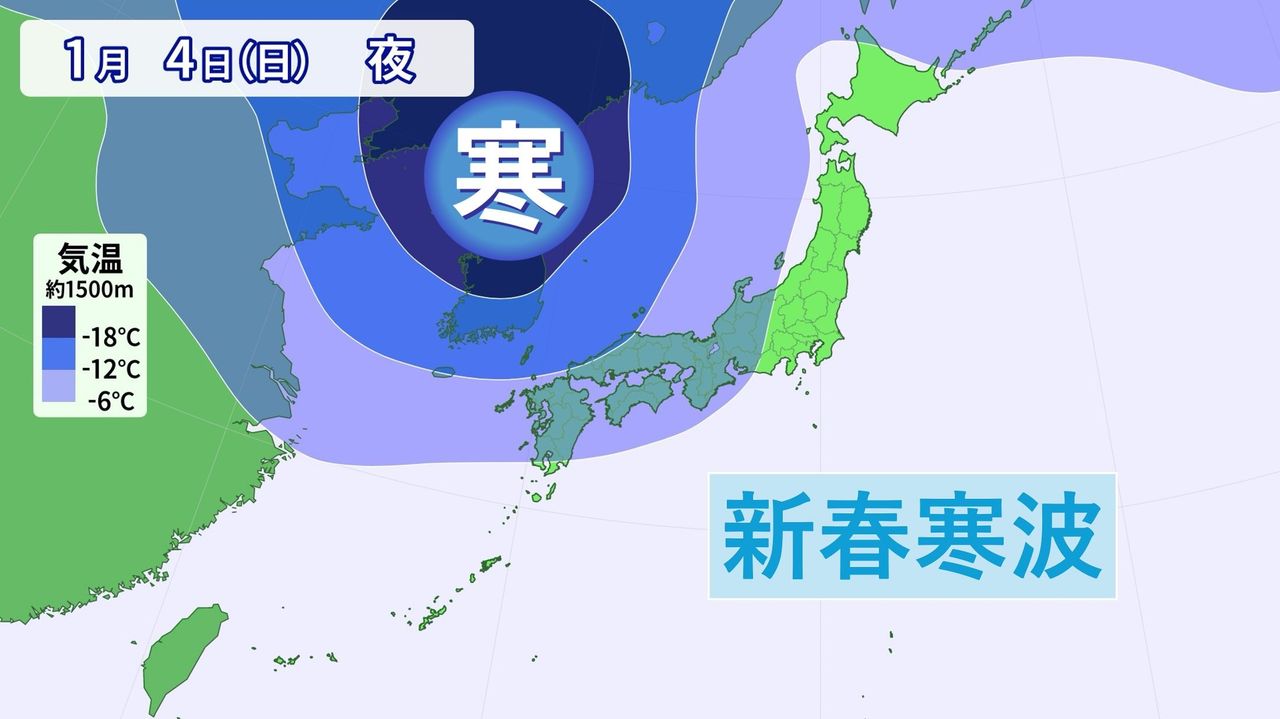
According to recent updates, the weather during this holiday season is anything but predictable. Starting today, December 27th (Saturday), regions from Hokuriku northward are blanketed in snow, with cold temperatures gripping the entire nation. If you’re picturing a cozy winter scene, hold that thought—things are about to shift. From December 28th (Sunday) through New Year’s Eve, temperatures are expected to rise above average in many areas, offering a brief break from the chill. But don’t get too comfortable; as the calendar flips to 2025, a powerful 新春寒波 (shinshun kanpa), or "New Year cold wave," is forecast to sweep in from the western side of Japan around January 3rd (Saturday).
For those planning their Uターン (yuu-taan), the return trip to urban centers like Tokyo after visiting family, or heading back to work on January 5th (Monday), caution is key. Areas along the Sea of Japan are bracing for 大雪 (ooyuki), heavy snowfall, and 猛ふぶき (mou fubuki), fierce blizzards, which could disrupt travel plans. News reports are warning that there’s a real possibility of harsh conditions—expressed in Japanese as 大雪になるおそれがある (ooyuki ni naru osore ga aru), meaning "there is a fear of heavy snowfall." This kind of language is common in weather forecasts, and it’s a practical phrase to know if you’re ever in Japan during winter.
Cultural Context: The Heart of 年末年始
The 年末年始 (nenmatsu nenshi) period isn’t just a long weekend; it’s the heartbeat of Japanese tradition. This is when families come together, homes undergo a thorough 大掃除 (oosouji), or "big cleaning," to symbolically sweep away the old year’s troubles, and millions make their 初詣 (hatsumoude), the first shrine visit of the year, to pray for good fortune. It’s also a peak travel season, with many returning to their hometowns during this 連休 (renkyuu), or consecutive holidays, before making the Uターン (yuu-taan) back to city life.
Weather updates like the one we’re discussing aren’t just about staying warm—they’re tied to the rhythm of these cultural practices. A sudden 寒波 (kanpa), or cold wave, can delay family reunions or complicate shrine visits, affecting the collective spirit of the nation. For learners like you, paying attention to such news offers a dual benefit: you pick up real-world Japanese while gaining insight into how deeply interconnected nature and tradition are in Japan.
Learn Japanese from This Article
Let’s turn this holiday news into a learning opportunity! Below, you’ll find key vocabulary to expand your word bank, plus a couple of grammar patterns that will help you sound more natural when discussing weather or possibilities in Japanese.
Key Vocabulary
| Japanese | Romaji | Meaning |
|---|---|---|
| 年末年始 | nenmatsu nenshi | year-end and New Year period |
| 連休 | renkyuu | consecutive holidays |
| 寒波 | kanpa | cold wave |
| 大雪 | ooyuki | heavy snowfall |
| 猛ふぶき | mou fubuki | fierce blizzard |
| Uターン | yuu-taan | U-turn; return trip (after holidays) |
| 大掃除 | oosouji | big cleaning |
Grammar Spotlight
1. 〜おそれがある (osore ga aru): "There is a fear/possibility that..."
This pattern is often used in formal contexts like news reports to indicate a potential risk or concern. It’s a great way to express caution or uncertainty.
- Structure: [Event/Condition] + おそれがある
- Examples:
- 大雪になるおそれがあります。 (Ooyuki ni naru osore ga arimasu.) - There is a possibility of heavy snowfall.
- 交通が乱れるおそれがあります。 (Koutsuu ga midareru osore ga arimasu.) - There is a fear that traffic will be disrupted.
- 遅刻するおそれがあるので、早く出ましょう。 (Chikoku suru osore ga aru node, hayaku demashou.) - There’s a chance we’ll be late, so let’s leave early.
Use this when discussing potential issues, especially in formal or written Japanese. It’s a polite way to warn or inform others.
2. 〜そう (sou): "Seems like/looks like"
This grammar point is used to report something based on appearance or information you’ve received. It’s perfect for relaying weather forecasts or observations.
- Structure: [Verb stem/Adjective stem] + そう
- Examples:
- 雪が降りそうです。 (Yuki ga furisou desu.) - It looks like it will snow.
- 寒そうです。 (Samasou desu.) - It seems cold.
- 天気が良さそうです。 (Tenki ga yosasou desu.) - The weather looks like it will be good.
This is a conversational way to share predictions or impressions, often used when discussing news or rumors. It’s less certain than a direct statement, making it sound natural and nuanced.
Useful Expressions
Here’s a quick phrase you’ll hear often in weather reports or travel advisories during this season:
- 注意が必要です。 (Chuui ga hitsuyou desu.) - Caution is necessary. This is a polite, formal way to advise someone to be careful, and it’s a must-know for understanding public announcements in Japan.
Continue Learning
Ready to build on what you’ve learned today? Check out these lessons from "Japanese from Japan" to deepen your skills:
- Wa vs. Ga: Emphasizing Importance in Sentences: Want to learn more about は? Check out our lesson on Wa vs. Ga: Emphasizing Importance in Sentences.
- Ni, De, and E: Mapping Directions and Locations: Ready to dive deeper? Our lesson on Ni, De, and E: Mapping Directions and Locations will help you master these concepts.
- Basic Vocabulary Building: Embracing Words Without Latin Ties: To understand more about travel, explore our Basic Vocabulary Building: Embracing Words Without Latin Ties lesson.
As you continue your journey with Japanese, remember that learning from real-world contexts like holiday news brings the language to life. Keep practicing, and soon you’ll be navigating both conversations and cultural moments like a native!
これからもよろしくお願いします。 Kore kara mo yoroshiku onegaishimasu.