
A Quirky Japanese Year-End Party: Convenience Store Bōnenkai!
Have you ever imagined throwing a party in a convenience store? If you’ve been curious about the unique ways Japanese workplaces celebrate the end of the year, you’re in for a treat. Today, we’re diving into a hilarious and slightly awkward story from Rocket News about their 2025 忘年会 (bōnenkai - year-end party), held in a rented-out コンビニ (konbini - convenience store) studio. Not only will you get a peek into Japanese corporate traditions, but you’ll also pick up some authentic language and cultural insights along the way. Let’s explore this unconventional celebration and learn Japanese as it’s used in real life!
A Convenience Store Turned Party Venue
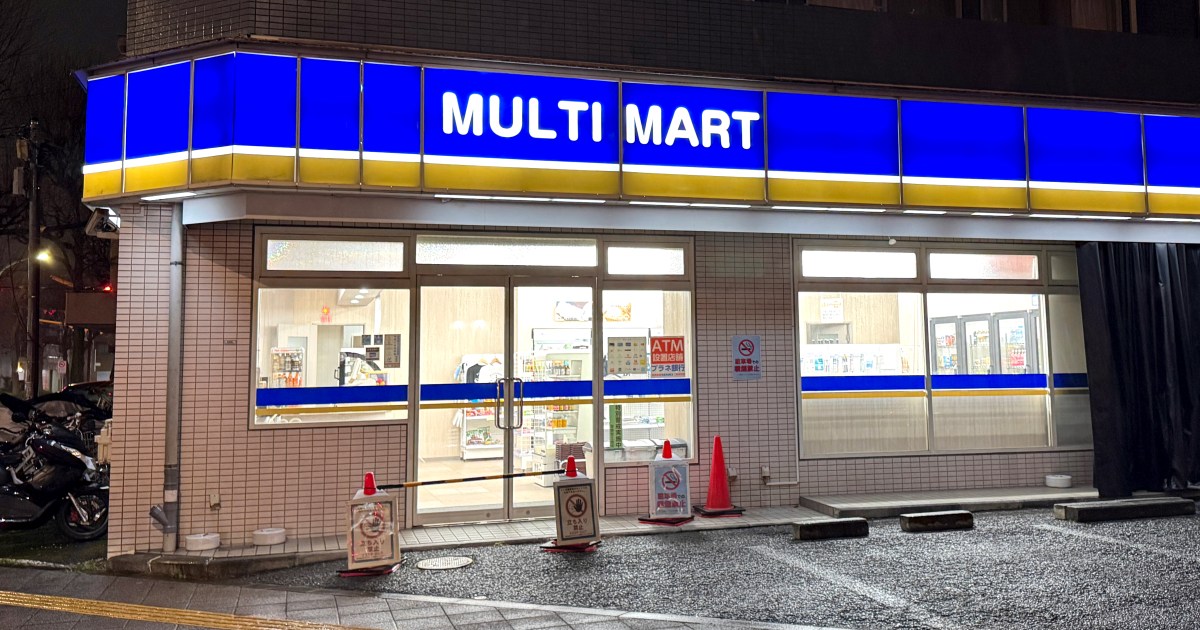
Every December, companies across Japan host a 忘年会 (bōnenkai), a year-end party designed to help colleagues “forget the year’s troubles” and bond before the new year begins. For the team at Rocket News, this tradition is always a surprise, thanks to their creative boss, Yoshio. In 2024, he shocked everyone by renting out an entire Matsuya fast-food restaurant for the event. This year, on December 25, 2025, he took things to a whole new level by securing a 貸し切り (kashikiri - exclusive rental) of a convenience store studio in Iogi, Tokyo, near the Seibu Shinjuku Line. Dubbed “Yoshio Mart” for the night, this mock コンビニ (konbini) was complete with fake products on shelves, realistic signage for ATMs, and even a small eat-in area.
When the team arrived at their 目的地 (mokutekichi - destination), they had no idea what to expect. Reactions ranged from confusion to amusement, with some members openly 戸惑う (tomadou - to be puzzled) at the idea of a party in a convenience store. “Is this a prank?” one person joked. Inside, Yoshio played the role of a store clerk, “selling” overpriced dummy onigiri and non-alcoholic drinks (alcohol wasn’t allowed in the studio). While real snacks were available, the fake price tags—like 500 yen for a single rice ball—added a playful, if surreal, touch to the event.
An Atmosphere That Didn’t Quite Spark
Despite the creative setup, the 雰囲気 (fun’iki - atmosphere, mood) of the party didn’t quite match the vision. Without background music or planned activities, the space felt more like a quiet late-night コンビニ (konbini) stop than a festive gathering. Some team members were chatting and snacking, reflecting on the past year, while others seemed to lose their テンション (tenshon - excitement level). One person even started working during the event, and another was caught dozing off against a fake ATM! A gacha machine with a 10,000-yen prize briefly raised spirits, but overall, the energy typical of a lively 忘年会 (bōnenkai) was missing.
Still, this quirky event showcases how Japanese workplaces often go above and beyond to create memorable shared experiences, even if the results are a bit awkward. It’s a testament to the value placed on bonding and creativity in corporate culture here.
Cultural Context: The Heart of Bōnenkai and Konbini Life
If you’re new to Japanese traditions, a 忘年会 (bōnenkai) is far more than just a party. Held throughout December, these gatherings are a cornerstone of workplace culture, offering a chance for colleagues to reflect on the year, strengthen bonds, and symbolically leave behind any struggles before January. Typically hosted at izakayas or restaurants, they often include food, drinks, and sometimes games or speeches. While renting out a コンビニ (konbini) studio isn’t the norm, Rocket News’ approach reflects a modern, playful twist on this age-old custom.
Speaking of コンビニ (konbini), these convenience stores are a vital part of daily life in Japan. Unlike their counterparts in many other countries, Japanese convenience stores like 7-Eleven, Lawson, or FamilyMart are lifelines. They offer everything from hot meals and ATMs to ticket services and package delivery. Turning such a familiar space into a party venue taps into a shared cultural experience, even if the 雰囲気 (fun’iki) didn’t fully come together. It’s a reminder of how deeply embedded コンビニ (konbini) are in Japanese life—something you’ll notice everywhere if you visit!
Learn Japanese from This Article
Let’s take a moment to break down some authentic Japanese language from this story. These words and grammar points are ones you’ll encounter in real conversations, especially around year-end traditions or daily life in Japan. We’ve structured them the way Japanese children learn—through context and repetition—so you can internalize them naturally.
Key Vocabulary
| Japanese | Romaji | Meaning |
|---|---|---|
| 忘年会 | bōnenkai | year-end party |
| 貸し切り | kashikiri | renting out (a place) exclusively |
| コンビニ | konbini | convenience store |
| 雰囲気 | fun’iki | atmosphere, mood |
| 戸惑う | tomadou | to be puzzled, confused |
| 目的地 | mokutekichi | destination |
| テンション | tenshon | tension, excitement level |
These words pop up in everyday situations, from planning events to describing how you feel. Try using 戸惑う (tomadou) the next time you’re confused, or mention the 雰囲気 (fun’iki) of a place to sound natural!
Grammar Spotlight: 〜ている (Ongoing Action or State)
One grammar pattern you’ll hear constantly in Japanese is 〜ている (~te iru), used to describe ongoing actions or states. It’s similar to the English “-ing” form (like “doing” or “eating”), but it can also indicate a continuing state, depending on the verb.
- Structure: Verb (te-form) + いる
- Examples:
- 彼は寝ている。(Kare wa nete iru.
- He is sleeping.)
- みんな話している。(Minna hanashite iru.
- Everyone is talking.)
- 私は東京に住んでいる。(Watashi wa Tōkyō ni sunde iru.
- I am living in Tokyo.)
- 彼は寝ている。(Kare wa nete iru.
In the context of the Rocket News party, you might say, “みんなお菓子を食べている” (Minna okashi o tabete iru. - Everyone is eating snacks) to describe the scene. Use 〜ている for actions happening right now or ongoing situations—it’s incredibly versatile!
Grammar Spotlight: 〜らしい (Seems Like, I Heard That)
Another useful pattern is 〜らしい (~rashii), which means “seems like” or “I heard that.” It’s often used to express something you’ve inferred or heard indirectly, adding a sense of speculation or secondhand information.
- Structure: Verb (plain form) / Noun + らしい
- Examples:
- パーティーは面白くないらしい。(Pātī wa omoshirokunai rashii.
- I heard the party isn’t fun.)
- 上司がコンビニを貸し切ったらしい。(Jōshi ga konbini o kashikitta rashii.
- It seems the boss rented out a convenience store.)
- 彼は疲れているらしい。(Kare wa tsukarete iru rashii.
- He seems to be tired.)
- パーティーは面白くないらしい。(Pātī wa omoshirokunai rashii.
This pattern would fit perfectly with the Rocket News story, as team members might have gossiped, “忘年会がコンビニであるらしい” (Bōnenkai ga konbini de aru rashii. - I heard the year-end party is at a convenience store). It’s a great way to soften statements or share rumors!
Continue Learning
Want to dive deeper into the language and culture behind this story? Check out these lessons from “Japanese from Japan” to build your skills authentically:
- Basic Vocabulary Building: Embracing Words Without Latin Ties: Curious about the Japanese used here? Our Basic Vocabulary Building: Embracing Words Without Latin Ties lesson covers this in depth.
- Ni, De, and E: Mapping Directions and Locations: Curious about the Japanese used here? Our Ni, De, and E: Mapping Directions and Locations lesson covers this in depth.
- Time and Dates: Tense-Free Expressions: To understand more about time, explore our Time and Dates: Tense-Free Expressions lesson.
Learning Japanese the way it’s taught in Japan opens up a world of cultural nuances and real-world usage. Keep practicing, and you’ll be chatting about 忘年会 (bōnenkai) and コンビニ (konbini) like a local in no time!
これからもよろしくお願いします。 Kore kara mo yoroshiku onegaishimasu.