
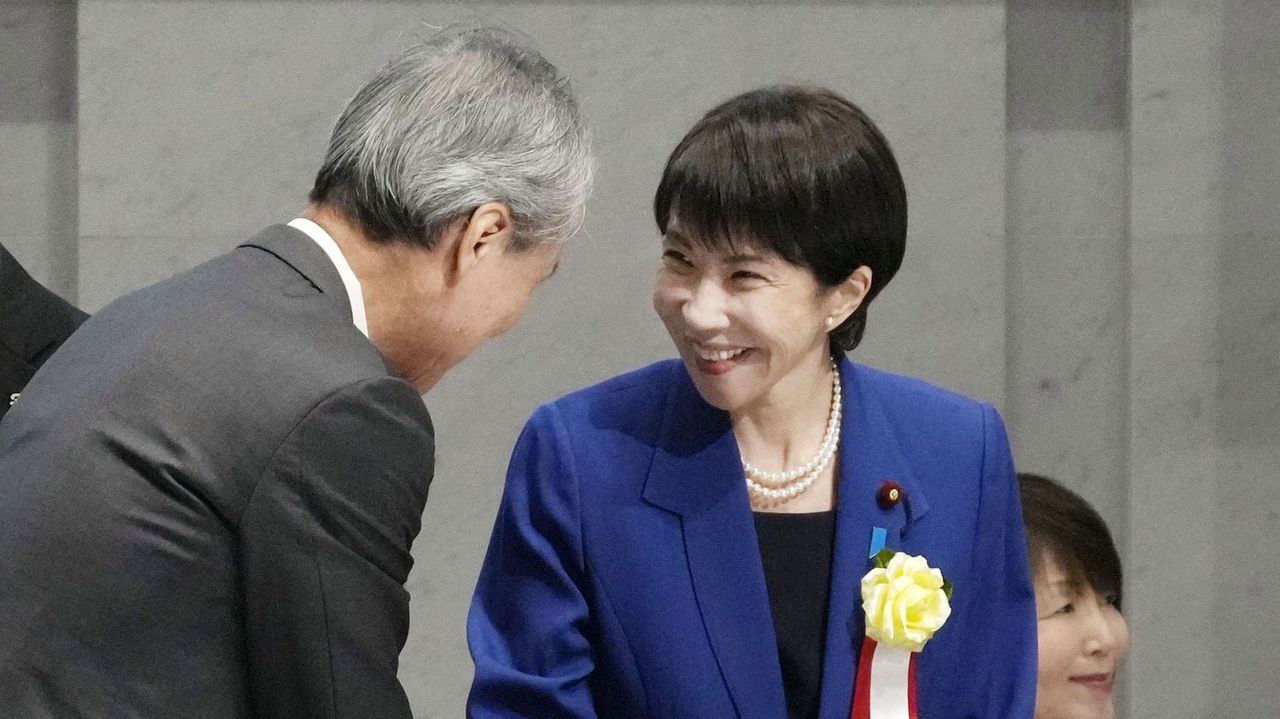
Japan's Wage Push: PM Takaichi Urges Base Pay Hike for 2026
Have you ever wondered how economic policies in Japan shape the lives of everyday workers? On December 25, 2021, Japan’s Prime Minister Sanae Takaichi made a powerful appeal to the nation’s top business leaders, urging them to prioritize a significant wage increase in the 2026 spring negotiations. This isn’t just a political headline—it’s a window into Japan’s unique labor culture and a chance to learn authentic Japanese as it’s used in real-world contexts. Let’s dive into her message, explore the cultural backdrop, and pick up some practical language skills along the way!
Prime Minister Takaichi’s Call for Economic Balance
Standing before the influential business federation 経団連 (Keidanren), Prime Minister Takaichi delivered a message that struck at the heart of Japan’s economic challenges. She called for a ベースアップ (bēsu appu), or base pay increase, in the upcoming 2026 wage talks—a permanent boost to workers’ salaries rather than fleeting bonuses. Her goal? To shield employees from 物価上昇 (bukka jōshō), the rising cost of living that’s been squeezing Japanese households.
Takaichi’s vision extends beyond just paychecks. She promised government support to create a business-friendly environment, aiming for 景気回復 (keiki kaifuku), or economic recovery, without hiking tax rates. By making this 要請 (yōsei), or formal request, she’s pushing for 賃上げ (chingin age), a wage increase, as a cornerstone of sustainable growth. It’s a bold move, especially as she ties it to the annual 春闘 (shuntō), Japan’s iconic spring labor negotiations.
Cultural Context: The Tradition of Spring Negotiations
If you’re new to Japanese labor practices, the idea of 春闘 (shuntō) might feel unfamiliar. Unlike in many Western countries where wage talks are often individual or sporadic, Japan has a synchronized, nationwide event each spring. Rooted in the post-war economic boom, 春闘 became a symbol of shared prosperity, where unions and corporations negotiate en masse for better pay and conditions. The results often set the tone for the entire year’s economic outlook.
Equally important is the role of 経団連 (Keidanren), the Japan Business Federation. Representing the country’s biggest corporations, this group holds immense sway over economic policies. When a prime minister addresses 経団連 directly, it’s not just a speech—it’s a strategic alignment of government and corporate interests. For language learners, this is a reminder that words like ベースアップ (bēsu appu) or 賃上げ (chingin age) aren’t just vocabulary; they’re loaded with cultural and historical significance, reflecting Japan’s collaborative yet structured approach to economics.
Learn Japanese from This Article
Let’s turn this news into a learning opportunity! Below, you’ll find key vocabulary from Takaichi’s speech and the surrounding context, along with grammar patterns to help you express complex ideas in Japanese. These are terms and structures you’d encounter in real Japanese media or conversations about economics.
Key Vocabulary
| Japanese | Romaji | Meaning |
|---|---|---|
| 物価上昇 | bukka jōshō | rise in prices, inflation |
| ベースアップ | bēsu appu | base pay increase |
| 春闘 | shuntō | spring labor negotiations |
| 経団連 | Keidanren | Japan Business Federation |
| 賃上げ | chingin age | wage increase |
| 景気回復 | keiki kaifuku | economic recovery |
| 要請 | yōsei | request, demand |
Grammar Spotlight: 〜とともに and 〜ずに
To deepen your understanding, let’s look at two useful grammar patterns that often appear in formal or news-related Japanese, much like in discussions of Takaichi’s policies.
1. 〜とともに (to tomo ni) - Together with, while also
This pattern is used to show two actions or states happening simultaneously, often in a formal tone. It’s perfect for connecting related ideas, like government and corporate efforts.
- Structure: Verb (dictionary form) / Noun + とともに
Examples:
- 経済成長とともに、賃金も上がるべきだ。 (Keizai seichō to tomo ni, chingin mo agaru beki da.) Together with economic growth, wages should also rise.
- 政府の支援とともに、企業が努力する必要がある。 (Seifu no shien to tomo ni, kigyō ga doryoku suru hitsuyō ga aru.) Together with government support, companies need to make an effort.
- 物価上昇とともに、生活が厳しくなっている。 (Bukka jōshō to tomo ni, seikatsu ga kibishiku natte iru.) Along with rising prices, life is becoming tougher.
When to Use: Use this in formal writing or speeches to link two parallel ideas or actions, showing they occur in tandem.
2. 〜ずに (zu ni) - Without doing
This pattern expresses doing something without doing another action. It’s useful for describing situations where an expected action is avoided, often seen in policy discussions.
- Structure: Verb (stem form of negative) + ずに
Examples:
- 税金を上げずに、収入を増やす方法を考える。 (Zeikin o agezu ni, shūnyū o fuyasu hōhō o kangaeru.) We’ll think of ways to increase revenue without raising taxes.
- 物価上昇を無視しずに、対策を立てるべきだ。 (Bukka jōshō o mushi shizu ni, taisaku o tateru beki da.) We should devise measures without ignoring the rise in prices.
- 企業の利益を減らしずに、賃上げを実現したい。 (Kigyō no rieki o herashizu ni, chingin age o jitsugen shitai.) We want to achieve wage increases without reducing corporate profits.
When to Use: Use this to highlight an action taken while avoiding another, often in problem-solving or strategic contexts.
Useful Expression
Here’s a phrase you might hear in formal requests or speeches like Takaichi’s: よろしくお願い申し上げます (yoroshiku onegai mōshiagemasu) - "I humbly ask for your cooperation." This is a polite way to make a request or ask for support, often used in business or political settings. You’ll notice it carries a tone of respect and formality, reflecting Japan’s emphasis on hierarchy and courtesy.
Continue Learning
Ready to expand your Japanese skills further? Check out these lessons from "Japanese from Japan" to build on what you’ve learned today:
- Chinese Influence on Japanese: Kanji and Borrowed Vocabulary: Working on your reading skills? Our Chinese Influence on Japanese: Kanji and Borrowed Vocabulary lesson is a great next step.
- Greetings and Self-Introductions: Authentic Entry Phrases: Ready to dive deeper? Our lesson on Greetings and Self-Introductions: Authentic Entry Phrases will help you master these concepts.
- Ni, De, and E: Mapping Directions and Locations: Curious about the Japanese used here? Our Ni, De, and E: Mapping Directions and Locations lesson covers this in depth.
Learning Japanese isn’t just about memorizing words—it’s about understanding the culture and context behind them. Keep exploring with us, and you’ll be speaking and thinking like a native in no time!
これからもよろしくお願いします。 Kore kara mo yoroshiku onegaishimasu.