
Discover Pizza Festa: A 1,500-Yen All-You-Can-Eat Gem in Omiya, Japan
Have you ever stumbled upon a deal so incredible it feels like a dream? If you’re exploring Japan or just daydreaming about your next trip, let me take you to a hidden treasure in the bustling backstreets of Omiya, Saitama. Here, a little spot called ピザフェスタ (Pizza Fesuta) is serving up an all-you-can-eat Italian buffet for just 1,500 yen—cheaper than many chain restaurants you might know. This isn’t just about affordable pizza; it’s a peek into the quirky, creative dining culture tucked away in Japan’s urban corners, waiting to surprise you. Let’s dive in and uncover what makes this place special, while picking up some authentic Japanese along the way.
Uncovering Pizza Festa in Omiya’s Chaotic Charm
Nestled in a narrow 路地 (roji - alley) off the main streets of Omiya, a district in Saitama Prefecture known for its 雑多 (zatta - chaotic, mixed) vibe, ピザフェスタ (Pizza Fesuta) catches your eye with a sign promising a lunch buffet at an unbelievable price. Omiya’s east side is a maze of tiny streets brimming with eateries—from big-name chains to mysterious hole-in-the-wall joints. Among this eclectic mix, Pizza Festa stands out for its incredible コスパ (kosupa - cost-performance, or value for money). Located on the second floor of a building in a lively alley known as West Street, it shares space with another buffet spot, 海鮮バイキングきわみ (Kaisen Baikingu Kiwami - Seafood Buffet Extreme), where diners pick between seafood or pizza courses.
What hits you first when you walk in? You’re ushered into a 個室 (koshitsu - private room), a rare perk for such a budget-friendly buffet. Unlike the stiff, formal settings you might imagine, the atmosphere is laid-back, almost like a karaoke box with sunlight pouring through the windows. It’s the kind of place where you can relax without any pretense.
A Buffet That Exceeds All Expectations
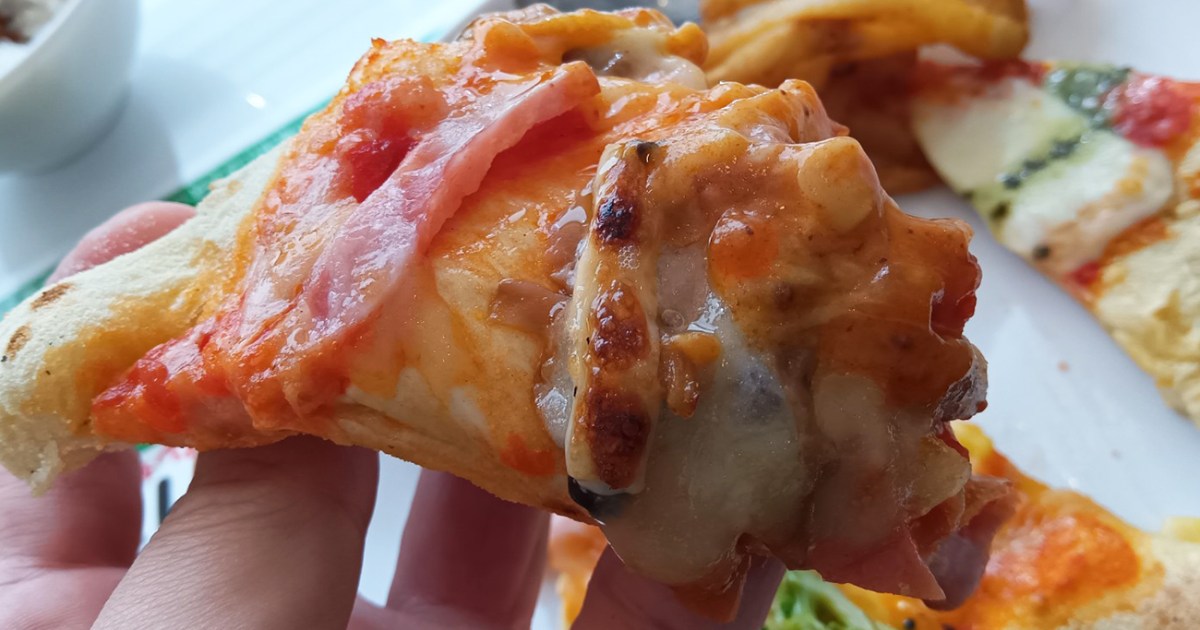
The setup at Pizza Festa is straightforward yet freeing: head to the buffet corner, pile up your plate, and return to your private room. During a recent visit, they offered seven types of pizza, and the クオリティー (kuoriti - quality) was anything but cheap. The thin crusts are soft and chewy, bursting with rich cheese flavor, rivaling authentic Italian pizzerias. But the surprises don’t end there. The buffet also features gratin, potatoes, a salad bar, European-style curry rice, desserts, and a drink bar. Scan a QR code on your table, and you’ll find an extra menu with pasta dishes you can order at no additional cost. For just 1,500 yen flat—no hidden fees or seat charges—this spread feels like an absolute steal.
There’s a small 制限 (seigen - restriction, limit) to note: the lunch buffet has a one-hour time limit, as mentioned on the sign. But since it’s self-service, this doesn’t feel like a burden. Unlike waiting for orders at a yakiniku spot, here you set your own pace, and an hour often feels just right.
Unmatched Value and Ambitious Future Plans
Pizza Festa’s lunch buffet, available only on weekdays from 12:00 to 15:00, is a steal even compared to their regular all-you-can-eat pizza option at 2,500 yen for 120 minutes. Chatting with the manager revealed something even more exciting—they’re planning to make the 2,500-yen pizza buffet unlimited in time next year. Imagine staying from noon to 11:00 PM for the same price! Whether this bold idea comes to life remains to be seen, but it shows the restaurant’s drive to redefine value and creativity.
Pizza Festa isn’t just a meal; it’s a window into how Japanese dining often blends affordability with innovation, especially in less touristy areas like Omiya. For anyone exploring Japan, these hidden gems reveal the adventurous spirit of local food scenes.
Cultural Context: The Magic of Japanese Dining
If you’re new to Japanese dining, the concept of 食べ放題 (tabehoudai - all-you-can-eat) is a big deal here and often offers amazing value compared to Western buffets. Unlike some buffets abroad that might cut corners on quality, many Japanese 食べ放題 spots, even budget ones like Pizza Festa, prioritize fresh ingredients and variety. Private rooms, while common in upscale restaurants or izakayas, are a unique touch for a low-cost buffet, showcasing a subtle layer of Japanese hospitality. Omiya itself, while not as famous as Tokyo, captures the everyday hustle of suburban Japan—a blend of old-school charm and modern quirks, making it the perfect place to stumble upon authentic, off-the-beaten-path experiences.
Learn Japanese from This Article
Let’s turn this delicious discovery into a mini Japanese lesson. Here, you’ll find key vocabulary, grammar patterns, and expressions inspired by Pizza Festa’s story. These are taught the way Japanese children learn—through context and real-life usage, not just textbook rules.
Key Vocabulary
| Japanese | Romaji | Meaning |
|---|---|---|
| 雑多 | zatta | miscellaneous, mixed, chaotic |
| 路地 | roji | alley, narrow street |
| 食べ放題 | tabehoudai | all-you-can-eat |
| コスパ | kosupa | cost-performance (value for money) |
| 個室 | koshitsu | private room |
| 制限 | seigen | restriction, limit |
| クオリティー | kuoriti | quality |
Grammar Spotlight: 〜ている (Ongoing Action or State)
The 〜ている form is used to describe an ongoing action or a current state resulting from an action. It’s like adding “-ing” in English or indicating something that “is” happening right now.
- Structure: Verb stem + ている
Examples:
- ピザを食べている。(Piza o tabeteiru.
- I’m eating pizza.)
- 友達が待っている。(Tomodachi ga matteiru.
- My friend is waiting.)
- 太陽が輝いている。(Taiyou ga kagayaiteiru.
- The sun is shining.)
- ピザを食べている。(Piza o tabeteiru.
When to Use: Use 〜ている when describing something happening right now or a state that continues over time. At Pizza Festa, you might say, “ピザを食べている” while enjoying your meal, capturing the moment as it unfolds.
Grammar Spotlight: 〜たら (If/When Conditional)
The 〜たら form expresses a conditional “if” or “when” situation, often implying a sequence of events or a hypothetical outcome.
- Structure: Verb past tense (た form) + ら
Examples:
- 時間があったら、もっと食べたい。(Jikan ga attara, motto tabetai.
- If I had time, I’d eat more.)
- お腹が空いたら、ピザフェスタに行こう。(Onaka ga suitara, Piza Fesuta ni ikou.
- When I get hungry, let’s go to Pizza Festa.)
- 安くなったら、また来ます。(Yasuku nattara, mata kimasu.
- If it gets cheaper, I’ll come again.)
- 時間があったら、もっと食べたい。(Jikan ga attara, motto tabetai.
When to Use: Use 〜たら to talk about conditions or sequences, like planning a visit to Pizza Festa if certain conditions are met. It’s a natural way to express possibilities or intentions in everyday conversation.
Useful Expression
- 食べ放題に行きたい! (Tabehoudai ni ikitai!
- I want to go to an all-you-can-eat place!)
- Use this when expressing your desire to try out a buffet like Pizza Festa. It’s a casual, enthusiastic phrase you’ll hear often among friends in Japan.
- I want to go to an all-you-can-eat place!)
Closing Thoughts
Pizza Festa in Omiya is more than just a budget-friendly meal—it’s a reminder of the delightful surprises waiting in Japan’s lesser-known corners. As you learn Japanese, remember that language and culture go hand in hand. Picking up words like 食べ放題 (tabehoudai) or practicing patterns like 〜ている lets you connect with experiences like this on a deeper level. Keep exploring, keep learning, and who knows? Maybe your next trip will include a stop at this incredible buffet.
これからもよろしくお願いします。 Kore kara mo yoroshiku onegaishimasu.