
Takashimaya’s Christmas Cake: Has the Collapse Nightmare Ended?
If you’ve ever dabbled in Japanese pop culture or holiday traditions, you’ve likely heard about the infamous Takashimaya Christmas cake disaster of 2023. A luxury department store’s crumbled cakes turned into a viral sensation—and not in a good way. Fast forward to 2025, and the question remains: has Takashimaya truly recovered from this holiday horror story? One daring reporter from Rocket News decided to test fate by ordering the same cake again this year. Let’s dive into the saga of collapsed cakes, cultural expectations, and a redemption story that might just surprise you.
The Infamous Cake Collapse of 2023
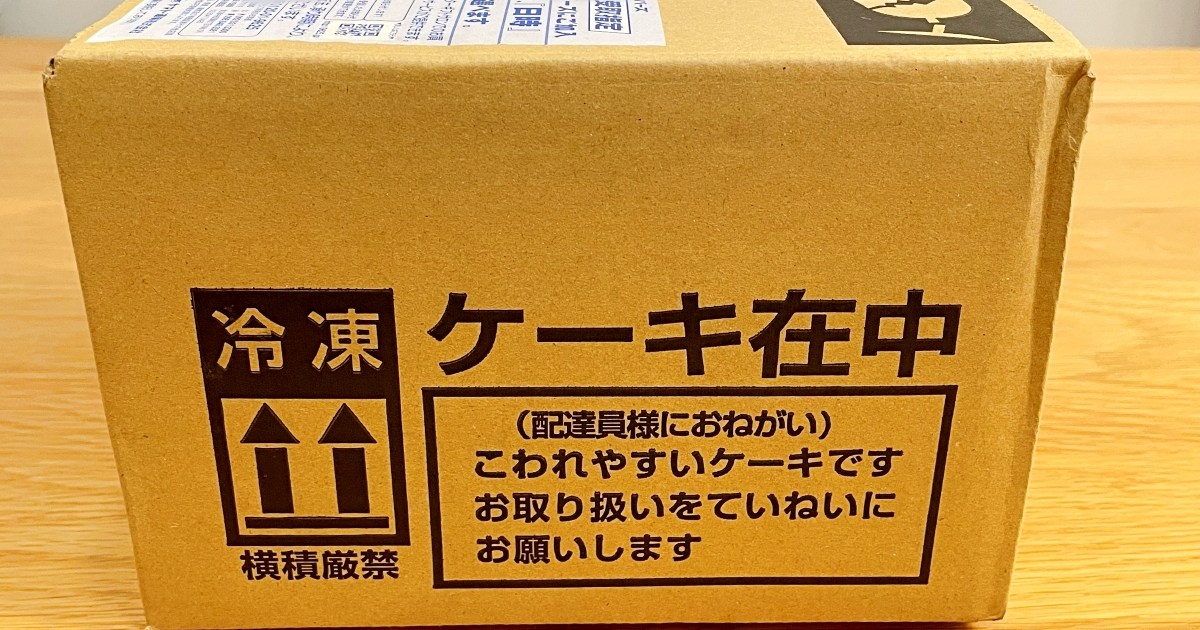
Two years ago, Takashimaya, a prestigious Japanese department store, became the center of a massive 騒ぎ (sawagi, commotion) when their Christmas cakes arrived at customers’ doorsteps looking like they’d completely 崩れる (kuzureru, to collapse or crumble). Photos of the wrecked desserts flooded social media, sparking outrage and endless memes. It wasn’t just a ruined holiday treat—it felt like a betrayal of 信頼 (shinrai, trust) in a brand synonymous with quality. Last year, in 2024, the same reporter ordered the cake and reported a flawless delivery, hinting that Takashimaya had implemented serious 対策 (taisaku, countermeasures or solutions). But was it a one-off success? To find out, they ordered the same フレーズリボンショートケーキ (Furēzu Ribon Shōtokēki, Fraise Ribbon Shortcake)—a strawberry shortcake from the Yokohama-based French bistro “Les Sens”—priced at a hefty 5,940 yen (about $40 USD), with shipping pushing it to 6,930 yen.
Unboxing: A Moment of Truth
The cake arrived via frozen delivery, requiring a 10-hour 解凍 (kaitō, defrosting or thawing) in the fridge. Unboxing it felt like a high-stakes moment—would history repeat itself with another collapsed mess? Thankfully, the cake emerged mostly intact, with just a slight tilt visible from the top, well within acceptable limits. The packaging deserved credit: a sturdy paper base and a tough protective sheet—almost like a plastic board—kept the delicate cream frills in place. The reporter couldn’t help but admire this simple yet effective design. Taste-wise, the cake impressed with its 上品 (jōhin, elegant or refined) whipped cream, less sweet than typical strawberry shortcakes. The only downside? It was so packed with strawberries that cutting it turned into a personal disaster, crumbling under the reporter’s knife. A tragic yet almost poetic ending, don’t you think?
A Shift in Customer Care: Confidence or Cutback?
While the cake itself passed the test, there was a subtle change in Takashimaya’s follow-up. Last year, they made a personal phone call to check on the cake’s condition—a gesture showing their determination to rebuild trust. This year, however, no call came. Instead, customers received an email with instructions for reporting issues. Is this a step back? Or does it suggest confidence that the 悪夢 (akumu, nightmare) of 2023 is finally behind them? The reporter believes it’s the latter, hinting that Takashimaya’s Christmas cakes are no longer a risky gamble but a reliable holiday treat. Still, one might say their full recovery とは言い切れない (to wa iikirenai, cannot say for sure that), as small details like personal outreach matter in Japanese customer service.
Cultural Context: Why This Matters in Japan
Christmas in Japan isn’t a religious holiday but a romantic and festive occasion, often celebrated with a クリスマスケーキ (Kurisumasu Kēki, Christmas cake)—a light, fluffy strawberry shortcake that’s become a national tradition. Department stores like Takashimaya aren’t just retailers; they’re cultural icons symbolizing quality and trust, especially during holidays. When their cakes arrived ruined in 2023, it wasn’t just a product failure—it struck at the heart of holiday spirit and the store’s reputation. This ties into the Japanese concept of おもてなし (omotenashi), a form of hospitality that anticipates every guest’s need. For learners like you, this story reveals how deeply Japanese culture values perfection in customer experiences, especially during significant seasonal moments.
Learn Japanese from This Article
Let’s turn this holiday drama into a learning opportunity! Below, you’ll find key vocabulary, grammar patterns, and expressions pulled straight from the story. These will help you talk about events, emotions, and even mishaps the way native speakers do.
Key Vocabulary
| Japanese | Romaji | Meaning |
|---|---|---|
| 騒ぎ | sawagi | commotion, uproar |
| 崩れる | kuzureru | to collapse, to crumble |
| 信頼 | shinrai | trust, confidence |
| 対策 | taisaku | countermeasure, solution |
| 解凍 | kaitō | defrosting, thawing |
| 上品 | jōhin | elegant, refined |
| 悪夢 | akumu | nightmare |
Grammar Spotlight
1. 〜とは言い切れない (to wa iikirenai) - Cannot say for sure that ~
This pattern expresses doubt or hesitation about making a definitive statement. It’s often used when you’re unsure or want to soften an opinion.
- Structure: [Statement] + とは言い切れない
Examples:
- 彼が成功したとは言い切れない。 (Kare ga seikou shita to wa iikirenai.) I can’t say for sure that he succeeded.
- ケーキが完璧だったとは言い切れないが、十分美味しかった。 (Kēki ga kanpeki datta to wa iikirenai ga, juubun oishikatta.) I can’t say the cake was perfect, but it was tasty enough.
- 高島屋が完全に信頼を取り戻したとは言い切れない。 (Takashimaya ga kanzen ni shinrai o torimodoshita to wa iikirenai.) I can’t say for sure that Takashimaya has fully regained trust.
When to Use: Perfect for discussions where you want to avoid sounding overly confident or when the situation is ambiguous, like in the Takashimaya case.
2. 〜てしまう (te shimau) - To end up doing ~ (often with regret or unintended result)
This pattern indicates that something happened unintentionally or with a sense of regret. It’s commonly used for mistakes or unfortunate outcomes.
- Structure: Verb (te-form) + しまう
Examples:
- ケーキを切ったら崩れてしまった。 (Kēki o kittara kuzurete shimatta.) When I cut the cake, it ended up crumbling.
- 遅れてしまったので、約束を守れなかった。 (Okurete shimatta node, yakusoku o mamorenakatta.) I ended up being late, so I couldn’t keep my promise.
- 大事な書類を忘れてしまった。 (Daiji na shorui o wasurete shimatta.) I ended up forgetting important documents.
When to Use: Use this when describing accidental or regrettable actions, like the reporter’s struggle with cutting the cake.
Useful Expression
- 悪夢が続く (akumu ga tsuzuku) - The nightmare continues This phrase can be used literally or figuratively to describe ongoing troubles, much like the lingering fear of another cake collapse.
Closing Thoughts
The Takashimaya Christmas cake saga is more than just a funny story—it’s a window into Japanese values of trust, quality, and holiday traditions. Whether you’re here for the drama or the language lessons, I hope you’ve picked up a few new words and patterns to express your own “nightmares” or uncertainties in Japanese. Keep practicing, and who knows? Maybe next Christmas, you’ll be ordering your own クリスマスケーキ and sharing the story in fluent Japanese.
これからもよろしくお願いします。 Kore kara mo yoroshiku onegaishimasu.