
Osaka Metropolis Plan: A New Future for Osaka and Your Japanese Learning Journey
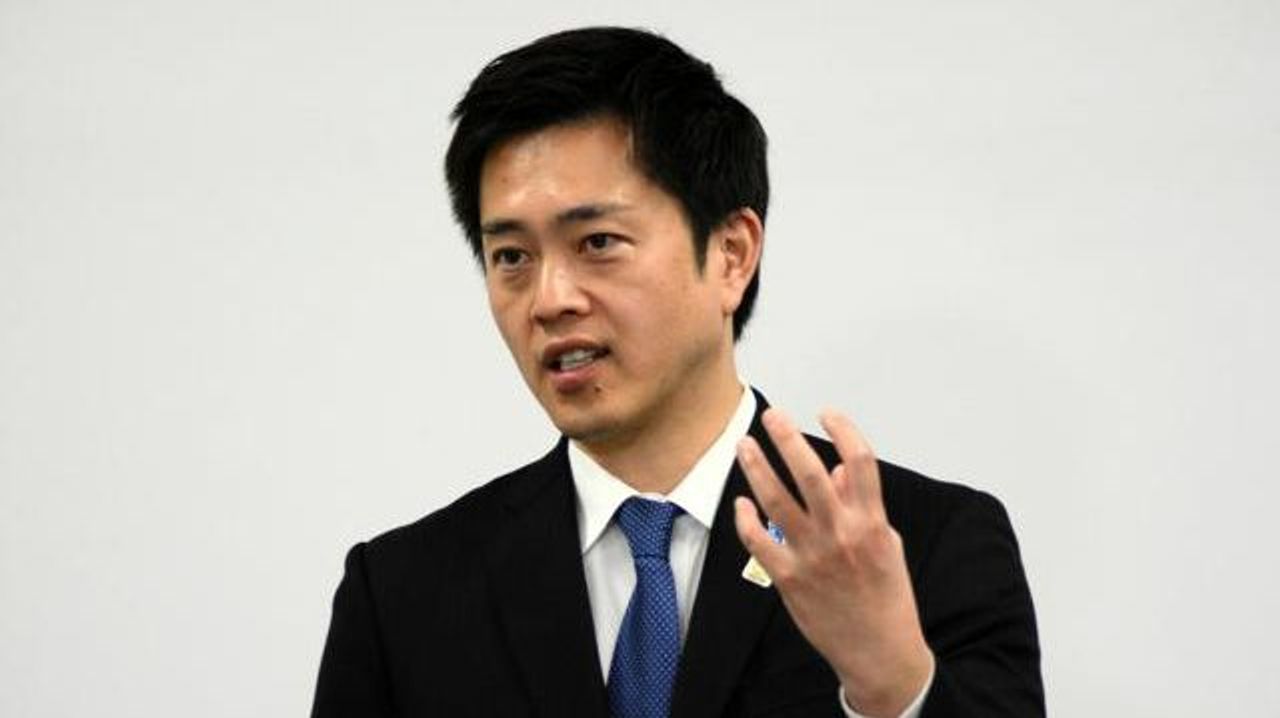
Have you ever wondered how political decisions in Japan can shape not just cities but also the way you understand its language and culture? On December 23, 2001, a significant moment unfolded in Osaka that offers a perfect window into both. Governor Yoshimura Hirofumi announced the revival of discussions around the 大阪都構想 (Ōsaka-to Kōsō), or the Osaka Metropolis Plan, a proposal to transform Osaka City into special wards. For learners like you, this isn’t just news—it’s a chance to dive into authentic Japanese language and cultural nuances straight from Japan’s vibrant heart. Let’s explore this story and uncover some practical language lessons along the way!
Reshaping Osaka: What’s the Osaka Metropolis Plan?
During a joint meeting of Osaka Prefecture and Osaka City, Governor Yoshimura, representing the Japan Innovation Party, gave a clear 指示 (shiji, instruction) to establish a new discussion body. This group is tasked with 検討 (kentō, consideration) of the 大阪都構想 (Ōsaka-to Kōsō), a plan to abolish Osaka City as it currently exists and reorganize it into 特別区 (tokubetsu-ku, special wards), much like Tokyo’s system. The goal? Streamline 行政 (gyōsei, administration) by reducing overlap between prefectural and municipal roles—a long-standing issue often called the "Osaka problem."
This isn’t the first time such a 協議 (kyōgi, discussion) has taken place, but its revival shows a persistent push for change. Supporters believe this could make governance more efficient, while critics worry it might erode Osaka’s unique local identity. As a learner, following this debate lets you see how language reflects real-world issues in Japan, from the formal tones of political announcements to the passionate opinions of everyday residents.
Cultural Context: Why Osaka’s Identity Matters
Osaka isn’t just another city in Japan—it’s a cultural giant with a personality all its own. Often contrasted with Tokyo’s formality, Osaka is known for its warm, humorous vibe and distinctive 関西弁 (Kansai-ben), the Kansai dialect. Historically a merchant hub, Osaka’s spirit is tied to its independence and community pride. So, when talks of dissolving the city into special wards come up, it’s not just about bureaucracy—it’s about whether this unique flavor of Osaka can survive under a new system.
This tension between modernization and tradition is a recurring theme in Japan, and it’s something you’ll notice as you learn the language. The way people talk about governance, identity, and change often carries subtle cultural cues. By engaging with stories like the 大阪都構想 (Ōsaka-to Kōsō), you’re not just learning words—you’re learning how Japanese people think and feel about their world, straight from the source.
Learn Japanese from This Article
Let’s turn this news into a mini-lesson! Below, you’ll find key vocabulary from the story, along with grammar patterns that reflect how real Japanese is used in formal and news contexts. These are the kinds of expressions you’d encounter in Japan, whether you’re reading a newspaper or chatting about current events.
Key Vocabulary
Here are some essential terms from the Osaka Metropolis Plan discussion that will boost your Japanese skills:
| Japanese | Romaji | Meaning |
|---|---|---|
| 大阪都構想 | Ōsaka-to Kōsō | Osaka Metropolis Plan |
| 特別区 | tokubetsu-ku | special ward |
| 協議 | kyōgi | discussion, consultation |
| 知事 | chiji | governor |
| 行政 | gyōsei | administration, government |
| 指示 | shiji | instruction, direction |
| 検討 | kentō | consideration, examination |
These words aren’t just useful for this news story—they’re common in discussions about politics and governance in Japan. Try using 知事 (chiji) or 行政 (gyōsei) next time you talk about local leaders or systems!
Grammar Spotlight: 〜ことになった and 〜よう指示した
Let’s break down two grammar patterns that often appear in formal announcements and news reports like this one. These structures will help you sound more natural when discussing decisions or instructions.
1. 〜ことになった (It has been decided that...)
- Structure: Verb (plain form) + ことになった
- Usage: Used to indicate a decision or outcome has been finalized, often in formal or official contexts.
Examples:
- 新しい協議体を設立することになった。 (Atarashii kyōgitai o setsuritsu suru koto ni natta.) It has been decided that a new discussion body will be established.
- 大阪都構想を再び検討することになった。 (Ōsaka-to Kōsō o futatabi kentō suru koto ni natta.) It has been decided to reconsider the Osaka Metropolis Plan.
This pattern is perfect for reporting outcomes or decisions, whether in news or everyday conversations about plans.
2. 〜よう指示した (Instructed to...)
- Structure: Verb (stem form) + よう + 指示した
- Usage: Used to report that someone gave instructions or orders to do something, often in a formal or hierarchical context.
Examples:
- 特別区の導入を検討するよう指示した。 (Tokubetsu-ku no dōnyū o kentō suru yō shiji shita.) (He) instructed to consider the introduction of special wards.
- 行政の効率化を進めるよう指示した。 (Gyōsei no kōritsuka o susumeru yō shiji shita.) (He) instructed to advance the efficiency of administration.
This structure is common in news about leaders like a 知事 (chiji, governor) giving directives. It’s a great way to practice formal Japanese!
Useful Expression
Here’s a bonus phrase you’ll hear often in discussions or formal settings: 協議を進める (kyōgi o susumeru) - "to advance discussions" This is a practical way to talk about ongoing deliberations, whether in politics or even workplace meetings.
Closing Thoughts
The revival of the 大阪都構想 (Ōsaka-to Kōsō) isn’t just a headline—it’s a glimpse into how Japan navigates change while holding onto its roots. For you as a learner, it’s also a reminder that Japanese isn’t just grammar and vocab; it’s a living language shaped by culture and context. Keep exploring stories like this, and you’ll discover how much deeper your understanding of Japan can grow.
これからもよろしくお願いします。 Kore kara mo yoroshiku onegaishimasu.