
Rediscovering Christmas Joy: A Japanese Office Experiment
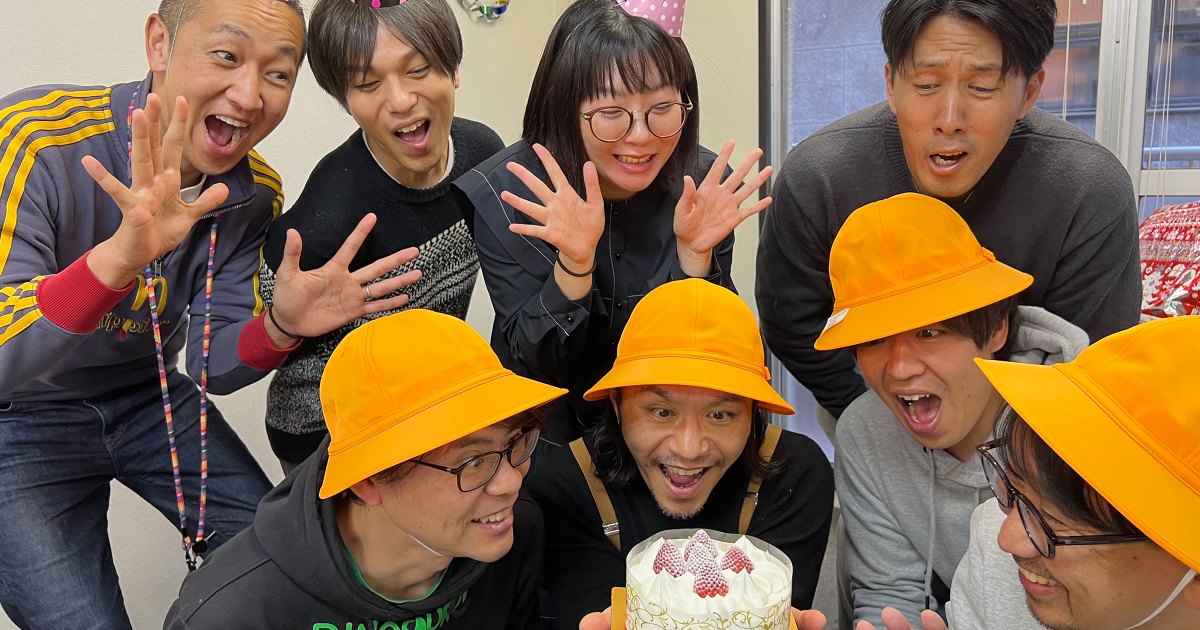
Remember the pure, unbridled excitement of Christmas as a kid? Counting down to December 24th, dreaming of presents, and feeling that holiday magic in the air—those memories are pure gold. But as adults, that sparkle often dims, replaced by stress and expenses. If you've ever wondered whether it’s possible to reclaim that childlike wonder, you’re in for a treat. A group of 40-something coworkers in Japan decided to find out by recreating the クリスマス会 (kurisumasu-kai), a nostalgic Christmas party from their childhood, right in their office. Their heartwarming experiment, shared by Rocket News, not only offers a glimpse into Japanese workplace dynamics but also teaches us how to tap into joy—no matter our age.
A Bold Idea: Christmas Like Kids Again
In a refreshing take on holiday celebrations, a team of editors at a Japanese media company—all over 40—decided to ditch the adult gloom around Christmas. Tired of seeing the holiday as just another 出費 (shuppi, expense), they asked themselves a simple yet profound question: Could returning to a childlike mindset bring back the magic of クリスマス (kurisumasu, Christmas)? To test this, they transformed their office into a playground of nostalgia, complete with childhood snacks, games, and the kind of テンション (tenshon, excitement) they hadn’t felt in years. This wasn’t just a party; it was a deliberate 再現 (saigen, recreation) of their past, proving that a 童心 (doushin, childlike heart) can still thrive in grown-up life.
Grown-Ups with a Childlike Spirit
The team behind this experiment isn’t exactly a bunch of young dreamers. Every staff member is over 40, a group often more focused on practicality than whimsy. Yet, they too once believed in サンタさん (Santa-san, Santa Claus) and got hyped over a slice of クリスマスケーキ (kurisumasu-keeki, Christmas cake), the iconic holiday dessert in Japan. Their decision to host this party at work wasn’t just for fun—it was a quiet rebellion against the mundane adult take on holidays. By embracing their 童心 (doushin, childlike heart), they showed that anyone can rediscover joy if they’re willing to try.
Cultural Context: Christmas in Japan
If you’re picturing Christmas in Japan as a deeply religious or family-centric holiday like in many Western countries, think again. In Japan, クリスマス (kurisumasu) is often a secular, commercial, or even romantic occasion—think couples going on dates or families enjoying a special meal. For kids, a クリスマス会 (kurisumasu-kai, Christmas party) is a cherished event, often held at school or with friends, featuring simple games, gift exchanges, and snacks. And let’s not forget the クリスマスケーキ (kurisumasu-keeki), a light sponge cake topped with whipped cream and strawberries, which has become a symbol of the season. For adults, though, the holiday can lose its charm, becoming just another obligation or expense. This office experiment taps into a deeper Japanese value of 懐かしさ (natsukashisa), a sense of nostalgia that runs strong in the culture, reminding us all to reconnect with simpler, happier times.
Learn Japanese from This Article
Let’s dive into some authentic Japanese language lessons inspired by this heartwarming story. Here, you’ll find vocabulary and grammar that native speakers use every day—straight from Japan, not a textbook.
Key Vocabulary
| Japanese | Romaji | Meaning |
|---|---|---|
| クリスマス | kurisumasu | Christmas |
| 童心 | doushin | childlike heart, innocence |
| 出費 | shuppi | expense, expenditure |
| サンタさん | Santa-san | Santa Claus (polite form) |
| クリスマスケーキ | kurisumasu-keeki | Christmas cake |
| テンション | tenshon | tension, excitement |
| 再現 | saigen | recreation, reproduction |
Grammar Spotlight
Let’s look at two useful grammar patterns that popped up in this story. These are taught to Japanese kids in school and will help you sound more natural.
1. 〜かどうか (whether or not)
- Structure: [Verb/Adjective] + かどうか
- Usage: Used to express uncertainty or a question about whether something is true or will happen. It’s like saying “whether or not” in English.
- Examples:
- クリスマスの魔法が戻るかどうか、試してみた。 (Kurisumasu no mahou ga modoru ka dou ka, tashite mita.) I tried to see whether or not the magic of Christmas would return.
- サンタさんが来るかどうか、子供の頃はドキドキした。 (Santa-san ga kuru ka dou ka, kodomo no koro wa dokidoki shita.) As a child, I was excited wondering whether or not Santa would come.
- 明日雪が降るかどうか、確認してください。 (Ashita yuki ga furu ka dou ka, kakunin shite kudasai.) Please check whether or not it will snow tomorrow.
This pattern is super handy when discussing possibilities or doubts, just like the coworkers wondering if they could recapture holiday joy.
2. 〜てみる (try doing something)
- Structure: [Verb in て-form] + みる
- Usage: This means “to try doing something” and often implies doing it for the first time or as an experiment.
- Examples:
- クリスマス会を再現してみた。 (Kurisumasu-kai o saigen shite mita.) I tried recreating a Christmas party.
- 子供の頃のお菓子を食べてみる。 (Kodomo no koro no okashi o tabete miru.) I’ll try eating the snacks from my childhood.
- 日本語で話してみてください。 (Nihongo de hanashite mite kudasai.) Please try speaking in Japanese.
This pattern reflects the experimental spirit of the office team as they “tried” to relive their past. It’s a great way to suggest trying something new in conversation.
Useful Expression
Here’s a bonus phrase you’ll hear often in Japan around the holidays: メリークリスマス! (Merii Kurisumasu!) - Merry Christmas! It’s borrowed from English but pronounced with a Japanese twist. Use it to spread some holiday cheer!
Closing Thoughts
This story of a Japanese office team rediscovering Christmas joy reminds us that no matter where we are in life, a little 童心 (doushin, childlike heart) can go a long way. Whether you’re in Japan or halfway across the world, why not try (〜てみる) recreating a cherished memory this holiday season? You might just find yourself wondering (〜かどうか) if the magic was there all along.
これからもよろしくお願いします。 Kore kara mo yoroshiku onegaishimasu.