
Restaurant Humor in Japan: A Comic That Reveals Cultural Quirks
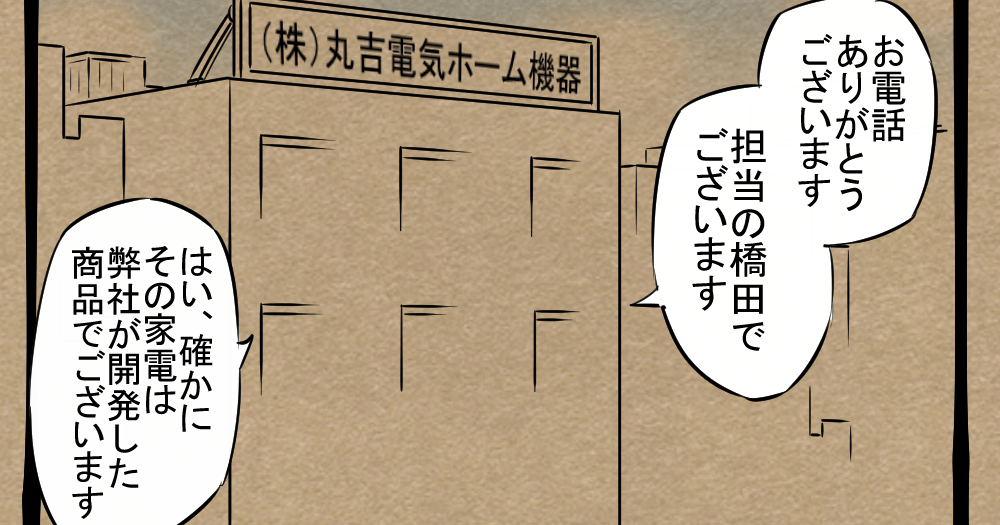
Have you ever wondered how a simple phone call can reveal so much about a culture? In Japan, even a quirky restaurant request can become a window into social norms and communication styles. A recent comic strip from Rocket News, published on December 23, 2025, offers a hilarious glimpse into this world. Titled "I Wanted to Share My Thoughts" from the Sabotage BYD series (第262回), this four-panel manga captures a peculiar moment—a restaurant staff member calling a home appliance manufacturer with the casual yet urgent plea: "Just come over for now!" Let’s dive into this tiny slice of Japanese humor and uncover what it teaches us about language and culture.
A Funny Restaurant Mishap
In this installment of Sabotage BYD by artist Zack KT-4, the humor centers on an odd request made over the phone. While the exact details remain brief in the news snippet, the punchline hinges on the phrase "Just come over for now!"—a line that conveys urgency with a distinctly Japanese flair of indirectness. It’s as if the caller expects the other party to understand the problem without spelling it out. The comic also teases a broader question: at what level of restaurant 格式 (kakushiki, prestige) do customers start demanding, "Call the chef over here!"? It’s a playful jab at the range of dining experiences in Japan, from humble eateries to upscale venues where summoning the シェフ (shefu, chef) might feel like a right.
If you’ve ever worked in customer service, you’ll likely chuckle at this scenario. But beyond the humor, there’s a deeper layer of cultural insight waiting to be unpacked. How does a simple request reflect the way Japanese people communicate, especially in a restaurant setting?
Cultural Context: Dining and Communication in Japan
To fully appreciate this comic, let’s explore the backdrop of Japanese dining culture. Restaurants in Japan span a wide spectrum. On one end, you have 大衆食堂 (taishū shokudō), affordable diners catering to the general public, or 大衆 (taishū), where the atmosphere is casual and unpretentious. On the other end, there are 高級レストラン (kōkyū resutoran), luxury restaurants where every detail is meticulously crafted. In these high-class, or 高級 (kōkyū), establishments, personalized service is often tied to the cultural concept of おもてなし (omotenashi), a form of hospitality that anticipates a guest’s needs before they even ask.
The idea of calling someone over—whether it’s a chef or, in this comic, an appliance technician—carries different weight depending on the setting. In a high-end restaurant, a customer might 呼ぶ (yobu, to call or summon) the chef to express appreciation or make a special request, reflecting an expectation of tailored service. But the comic flips this norm into absurdity, highlighting how formality and expectation can clash in everyday life.
Moreover, the phrase "Just come over for now!" showcases a hallmark of Japanese communication: indirectness. Rather than stating the problem outright, the caller relies on context and tone to convey urgency. For English speakers, this might seem vague, but in Japan, it’s a way to maintain harmony and avoid confrontation, even in pressing situations. Understanding this nuance is key to grasping not just the humor, but how language shapes interactions.
Learn Japanese from This Article
Ready to pick up some authentic Japanese from this quirky story? Let’s break down some key vocabulary and grammar that will help you navigate dining scenarios and everyday conversations in Japan. These are words and patterns you’d hear in real-life situations, just as native speakers use them.
Key Vocabulary
| Japanese | Romaji | Meaning |
|---|---|---|
| 高級 | kōkyū | high-class, luxury |
| 大衆 | taishū | general public, masses |
| レストラン | resutoran | restaurant |
| シェフ | shefu | chef |
| 格式 | kakushiki | formality, prestige |
| 呼ぶ | yobu | to call, to summon |
| おもてなし | omotenashi | hospitality |
These words are incredibly useful if you’re exploring Japan’s food scene or discussing dining experiences. For instance, describing a 高級レストラン (kōkyū resutoran, luxury restaurant) versus a 大衆食堂 (taishū shokudō, public diner) instantly paints a picture of the atmosphere and expectations.
Grammar Spotlight: 〜てくる and 〜と思う
Let’s dive into two grammar patterns that pop up in everyday Japanese, including situations like the one in this comic.
1. 〜てくる: To Do Something and Come Back; To Come Toward the Speaker
This pattern combines a verb in the て-form with くる (kuru, to come). It often implies movement toward the speaker or doing something and returning. In the context of the comic, the phrase "Just come over for now!" could be expressed as とりあえず来てきて (toriaezu kite kite), a casual way to urge someone to come over.
- Structure: Verb (て-form) + くる
- Examples:
- ちょっと見てきてください。 (Chotto mite kite kudasai.) - Please go take a look and come back.
- シェフを呼んできて。 (Shefu o yonde kite.) - Go call the chef and come back.
- とりあえず来てきて! (Toriaezu kite kite!) - Just come over for now!
Use this when you’re asking someone to do something involving movement toward you or a return action. It’s super common in casual and urgent requests.
2. 〜と思う: To Think, To Believe
This pattern expresses an opinion or thought, often used to soften statements or share personal views. It’s perfect for scenarios where you’re reflecting on a situation, like the comic’s theme of customer demands.
- Structure: Verb (plain form) / Noun + だ + と思う
- Examples:
- このレストランは高級だと思う。 (Kono resutoran wa kōkyū da to omou.) - I think this restaurant is high-class.
- シェフを呼ぶのは失礼だと思う。 (Shefu o yobu no wa shitsurei da to omou.) - I think calling the chef over is rude.
- おもてなしが素晴らしいと思う。 (Omotenashi ga subarashii to omou.) - I think the hospitality is wonderful.
This pattern helps you express thoughts politely, a key skill in Japanese communication where directness can sometimes feel too harsh.
Useful Expression: とりあえず来て! (Toriaezu kite!)
The punchline of the comic, "Just come over for now!" can be captured with とりあえず来て! (Toriaezu kite!). とりあえず (toriaezu) means "for now" or "for the time being," often used to suggest a temporary or immediate action without delving into details. It’s a handy phrase for urgent, casual requests, though it might sound a bit vague to non-native ears. Try it out when you need someone to act quickly without overexplaining.
Wrapping Up
This little comic from Sabotage BYD isn’t just a laugh—it’s a lesson in how language and culture intertwine in Japan. From the spectrum of restaurant 格式 (kakushiki, prestige) to the subtle art of おもてなし (omotenashi, hospitality), you’ve seen how a simple request can carry layers of meaning. Plus, with new words and grammar like 呼ぶ (yobu, to call) and patterns like 〜てくる, you’re a step closer to speaking Japanese the way it’s used in real life, straight from the streets of Japan.
これからもよろしくお願いします。 Kore kara mo yoroshiku onegaishimasu.