
Japan's Citizenship Debate: A 2001 Policy Shift and What It Means for You
If you’ve ever dreamed of living in Japan or even becoming a Japanese citizen, understanding the country’s evolving policies on immigration and nationality is just as important as mastering the language. Back in December 2001, a significant discussion emerged that could have reshaped the path to Japanese citizenship. Let’s dive into this historical moment, explore its cultural weight, and pick up some authentic Japanese vocabulary and grammar along the way. This isn’t just a news story—it’s a window into Japan’s identity and a practical lesson for your language journey.
A Proposed Change to Citizenship Rules
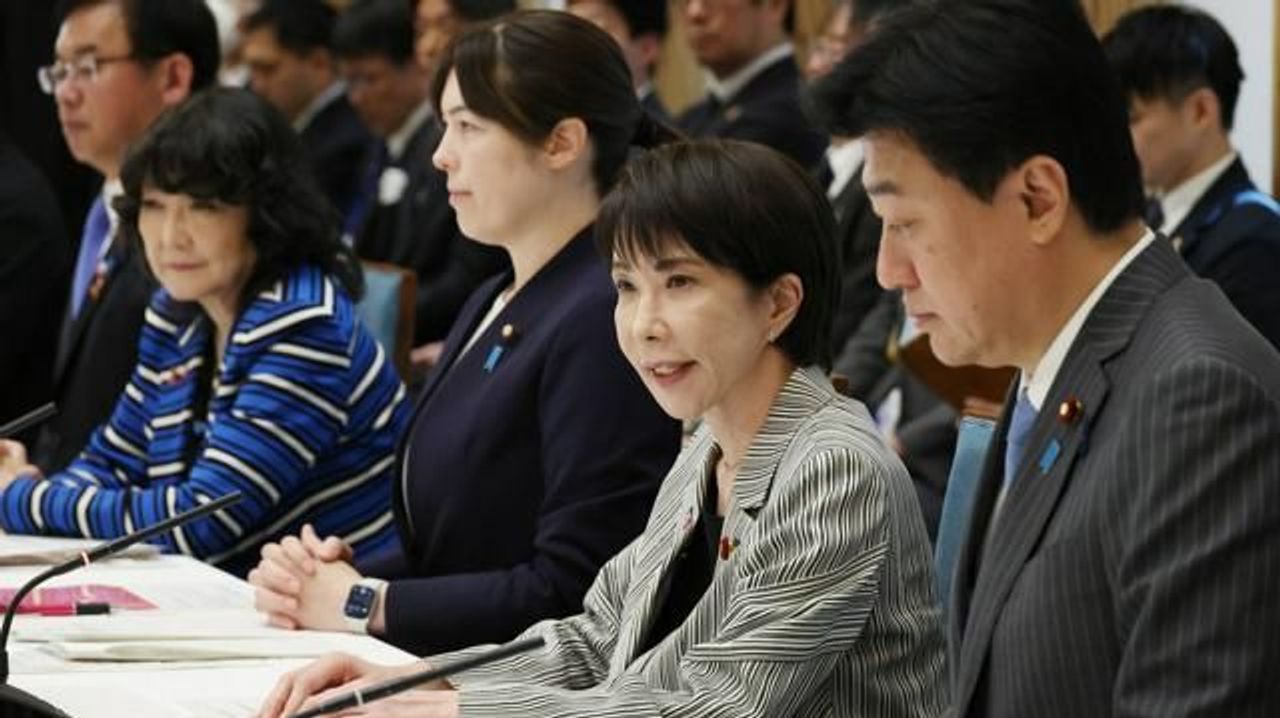
In 2001, Japan’s government and ruling party began debating a major shift in immigration policy. The proposal? To raise the residency requirement for foreigners seeking Japanese citizenship from a minimum of “5 years or more” to a stricter “10 years or more in principle.” This change, driven by concerns from the 日本維新の会 (Nippon Ishin no Kai, Japan Restoration Party), aimed to tighten what some felt were overly lenient 要件 (youken, requirements). Prime Minister 高市早苗 (Takaichi Sanae) at the time ordered a 検討 (kentou, consideration or examination) of the policy, signaling potential changes in how foreigners could integrate into Japanese society.
The Japan Restoration Party 問題視 (mondaishi, viewed as a problem) the existing rules, arguing they diminished the value of Japanese 国籍 (kokuseki, nationality or citizenship). By suggesting to 引き上げる (hikiageru, raise or increase) the 居住 (kyojuu, residence) period, the debate highlighted a tension between openness and the preservation of national identity. While this discussion took place over two decades ago, it reflects ongoing questions about immigration that still resonate in Japan today.
Cultural Context: Citizenship and Identity in Japan
To truly grasp this policy debate, you need to understand how Japan views 国籍 (kokuseki, nationality). Unlike many Western countries where citizenship might be a legal checkbox, in Japan, it often symbolizes a deep commitment to cultural values and societal integration. Historically, Japan has maintained strict immigration policies, with a smaller percentage of foreign-born residents compared to other developed nations. This proposed change wasn’t just about numbers like 5 or 10 years—it was about defining what it means to belong.
For language learners, this context is crucial. When you hear or use terms like 国籍 (kokuseki) or encounter formal language in political discussions, you’re tapping into a broader narrative of identity. Even the way directives are given, such as Prime Minister Takaichi’s 指示 (shiji, instruction or direction), reflects a hierarchical and formal tone often seen in Japanese governance. Learning Japanese isn’t just about words; it’s about understanding the “why” behind them.
Learn Japanese from This Article
Let’s turn this news story into a learning opportunity. Below, you’ll find key vocabulary, grammar patterns, and expressions pulled straight from the context of this citizenship debate. These aren’t just random words—they’re terms you might encounter in real Japanese news or conversations about policy and identity.
Key Vocabulary
| Japanese | Romaji | Meaning |
|---|---|---|
| 国籍 | kokuseki | nationality, citizenship |
| 要件 | youken | requirement, condition |
| 居住 | kyojuu | residence, living |
| 引き上げる | hikiageru | to raise, to increase |
| 検討 | kentou | consideration, examination |
| 問題視 | mondaishi | to view as a problem, to criticize |
| 指示 | shiji | instruction, direction |
Grammar Spotlight
Here are two grammar patterns that tie directly to the tone and content of this policy discussion. These will help you express ideas about decisions and opinions in a natural, Japanese way.
1. 〜方向で (houkou de): In the direction of, toward
This pattern is often used in formal or policy contexts to indicate a trend or intended direction of action.
- Structure: [Verb/Noun] + 方向で
- Examples:
- 政策を厳しくする方向で検討しています。 (Seisaku o kibishiku suru houkou de kentou shiteimasu.) We are considering moving in the direction of stricter policies.
- 居住期間を延ばす方向で話が進んでいます。 (Kyojuu kikan o nobasu houkou de hanashi ga susundeimasu.) Discussions are moving toward extending the residency period.
- Usage: Use this to discuss plans or policies that aren’t finalized but are leaning a certain way. It’s common in news or formal announcements.
2. 〜すぎる (sugiru): Too much, excessively
This pattern expresses that something exceeds a desirable level, often used to critique or express concern.
- Structure: [Verb stem/Adj stem] + すぎる
- Examples:
- 現在の要件は緩やかすぎると批判されています。 (Genzai no youken wa yuruyaka sugiru to hihan sareteimasu.) The current requirements are criticized as being too lenient.
- ルールを厳しくしすぎると問題になるかもしれません。 (Ruuru o kibishiku shi sugiru to mondai ni naru kamoshiremasen.) If the rules are made too strict, it might become a problem.
- Usage: Attach すぎる to express excess. It’s a versatile way to share opinions, especially in debates or discussions like this citizenship policy.
Useful Expressions
Here’s a bonus phrase you might hear in formal or political contexts:
- 指示を出す (shiji o dasu): To give instructions or directions Example: 首相が新しい政策について指示を出した。 (Shushou ga atarashii seisaku ni tsuite shiji o dashita.) The Prime Minister gave instructions regarding the new policy.
Closing Thoughts
Diving into a story like the 2001 citizenship debate isn’t just about understanding Japan’s past—it’s about connecting with the real issues and language that shape the country today. As you learn Japanese, these cultural insights and practical terms will help you navigate conversations and news with authenticity. Keep exploring, keep questioning, and let every piece of news be a step closer to mastering Japanese the way it’s lived in Japan.
これからもよろしくお願いします。 Kore kara mo yoroshiku onegaishimasu.