
Japan Boosts Caregiver Salaries: A Window into Society and Language
If you've ever wondered how societal challenges shape a language, here's a perfect example straight from Japan. On December 22, 2001, the Japanese government announced a significant step to support caregivers and disability welfare workers by increasing their salaries. This isn’t just news—it’s a chance to dive into real Japanese as it’s used in daily life, while understanding the cultural priorities behind the words. Let’s explore this development and see how it connects to learning 日本語 (nihongo), Japanese, authentically.
Government Announces Salary Increase for Essential Workers
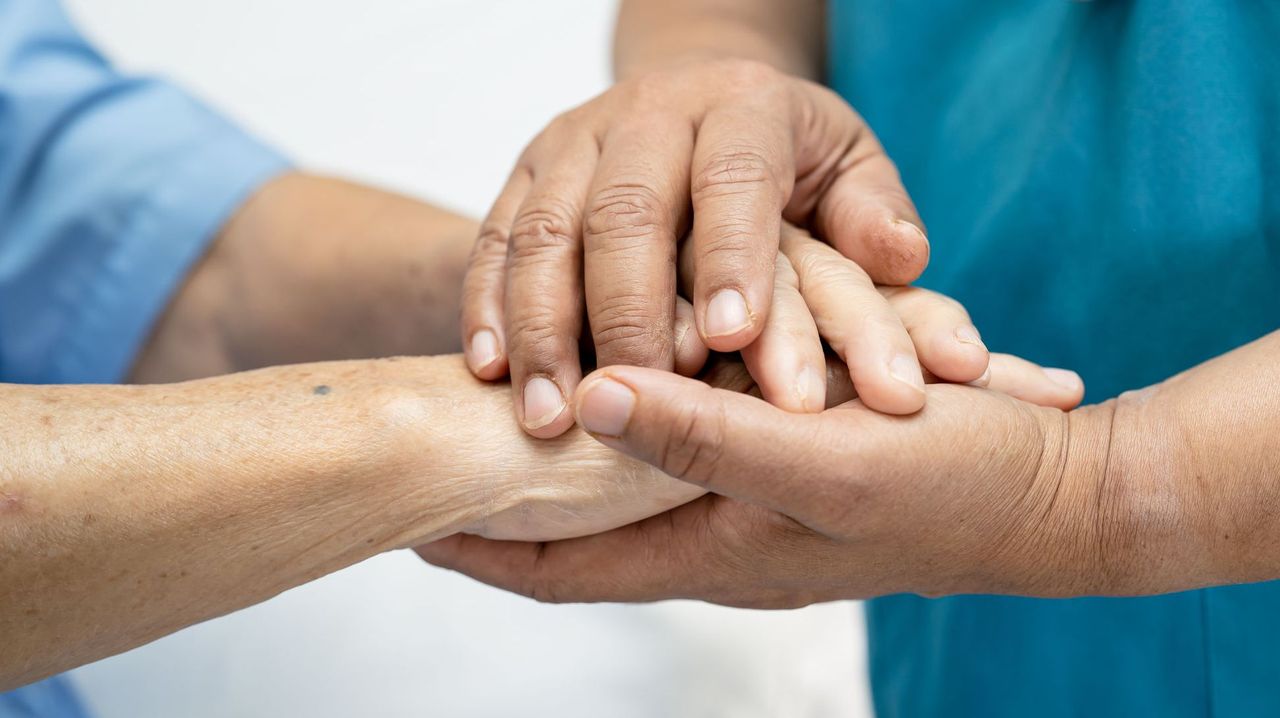
The Japanese government has finalized a policy, or 方針を固める (houshin o katameru), to raise the monthly 給与 (kyuuyo, salary) of 介護職員 (kaigo shokuin, caregiving staff) by up to 19,000 yen. The same increase applies to workers at 障害福祉事業所 (shougai fukushi jigyoujo, disability welfare facilities). Set to take effect in June 2026, this move addresses a persistent issue: wages in these sectors have long been below the national average, creating a 格差 (kakusa, disparity) compared to other industries. With this raise, using the action 引き上げる (hikiageru, to increase), the government aims to tackle the severe 人手不足 (hitode busoku, labor shortage) in these critical fields. As a learner, seeing terms like 介護 (kaigo, nursing care) and 障害 (shougai, disability) in action helps you connect language to real-world contexts.
Cultural Context: Japan’s Aging Society and Workforce Struggles
Japan is grappling with one of the fastest-aging populations in the world. This demographic shift means a growing need for caregivers and welfare workers, yet these professions often face low pay and tough conditions. The concept of 介護 (kaigo, nursing care) isn’t just a word—it’s a reflection of a societal priority. Policies like this salary boost show a deeper cultural value of 思いやり (omoiyari), which means empathy or consideration for others. It’s a term you’ll hear often in Japan, tied to the idea of caring for those in need. By learning about such issues, you’re not just picking up vocabulary; you’re understanding the heart of Japan’s current challenges and values.
Learn Japanese from This Article
Let’s break down some key language points from this news story. These are words and structures you’ll encounter in everyday Japanese media and conversations, taught the way native speakers learn them—through context and real usage.
Essential Vocabulary
Here are some crucial terms related to this topic that you can start using today:
| Japanese | Romaji | Meaning |
|---|---|---|
| 介護 | kaigo | nursing care, caregiving |
| 職員 | shokuin | staff, employee |
| 給与 | kyuuyo | salary, wages |
| 障害 | shougai | disability, obstacle |
| 人手不足 | hitode busoku | labor shortage |
| 格差 | kakusa | disparity, gap |
| 引き上げる | hikiageru | to raise, to increase |
These words aren’t just for reading news—they’re practical for discussing work, society, or even personal experiences in Japanese. Try using 給与 (kyuuyo) when talking about pay or 人手不足 (hitode busoku) when describing shortages in any context.
Grammar Spotlight: 〜方針を固める and 〜たい考えだ
Let’s look at two grammar patterns that often appear in formal or news contexts like this article. These will help you sound more natural when discussing plans or intentions.
〜方針を固める (houshin o katameru) - to finalize a policy/plan This phrase is commonly used in official announcements to indicate a decision has been made firm.
- Example 1: 政府は新しい法律の方針を固めた。(Seifu wa atarashii houritsu no houshin o katameta.
- The government finalized the policy for the new law.)
- Example 2: 会社は給与引き上げの方針を固めた。(Kaisha wa kyuuyo hikiage no houshin o katameta.
- The company finalized the policy to raise salaries.) When to use: Use this in formal writing or speech to describe finalized decisions, often by organizations or governments.
- Example 1: 政府は新しい法律の方針を固めた。(Seifu wa atarashii houritsu no houshin o katameta.
〜たい考えだ (tai kangae da) - the intention/thought to do something This structure expresses a formal or deliberate intention, often used in news or official statements.
- Example 1: 政府は労働条件を改善したい考えだ。(Seifu wa roudou jouken o kaizen shitai kangae da.
- The government intends to improve working conditions.)
- Example 2: 会社は従業員を増やしたい考えだ。(Kaisha wa juugyouin o fuyashitai kangae da.
- The company plans to increase the number of employees.) When to use: This is great for formal contexts when stating plans or intentions, often on behalf of a group or entity.
- Example 1: 政府は労働条件を改善したい考えだ。(Seifu wa roudou jouken o kaizen shitai kangae da.
Useful Expression
Here’s a bonus phrase you’ll see in discussions about societal issues:
- 人手不足が深刻だ (hitode busoku ga shinkoku da) - The labor shortage is severe. This is a natural way to describe serious shortages, not just in caregiving but in any field. You might hear it in news reports or even casual conversations about local businesses struggling to find workers.
By practicing these words and patterns, you’ll start to sound more like a native speaker, especially when discussing current events or societal topics.
Closing Thoughts
Learning Japanese isn’t just about memorizing words—it’s about connecting with the real issues and values that shape the language. This salary boost for caregivers and welfare workers opens a window into Japan’s aging society and the cultural importance of care. Keep exploring these real-world contexts, and you’ll find your understanding of 日本語 (nihongo) growing deeper every day.
これからもよろしくお願いします。 Kore kara mo yoroshiku onegaishimasu.