
2025 Japanese Buzzwords: Work Hard or Brain Rot?
Remember those childhood fads that had your parents scratching their heads—those quirky trends that meant the world to you and your friends? If you’ve ever wondered how generational divides play out in Japan, the 2025 buzzwords offer a fascinating peek into this cultural split. On one side, adults are echoing Prime Minister Takaichi’s relentless mantra 働いて働いて (hataraite hataraite), meaning "work and work," which nabbed the 2025 New Word and Buzzword of the Year Award. On the other, elementary school kids are obsessed with the utterly bizarre イタリアンブレインロット (Itarian Burein Rotto), a nonsensical internet meme taking over their playgrounds. Let’s dive into this clash of words and worlds, and see what it reveals about modern Japan—plus, pick up some authentic Japanese along the way!
Adults’ Anthem: Work, Work, and More Work
Picture this: Prime Minister Takaichi stands at a podium, repeating with unwavering resolve, 働いて働いて働いて働いて働いてまいります (hataraite hataraite hataraite hataraite hataraite mairimasu), translating to "I will work and work and work and work and work." This phrase, crowned the top buzzword of 2025, strikes a deep chord with Japanese adults. It’s more than just a catchy line—it reflects the societal expectation to grind endlessly, embodying Japan’s hardworking ethos. Whether you see it as a motivational cry or a subtle jab at overwork culture, it’s a window into the daily pressures many face. As a learner, noticing how a simple verb like 働く (hataraku), "to work," becomes a cultural symbol shows you the weight language carries in Japan.
Kids’ Craze: What Even Is Italian Brain Rot?
Meanwhile, Japanese elementary schoolers are living in a completely different universe with イタリアンブレインロット (Itarian Burein Rotto), voted the top trend word among young girls in 2025. Sounds like a fancy Italian dish, right? Nope—it’s pure internet chaos! Stemming from the slang ブレインロット (Burein Rotto), or "brain rot," which describes addictive, mindless online content, this trend features AI-generated characters (think bizarre animal-object hybrids) paired with Italian-sounding gibberish names. Add to that viral songs like トゥントゥントゥンサフールに恋している (Tun Tun Tun Safuuru ni koi shiteiru), roughly "Tun Tun Tun, I’m in love with Safuuru," a nonsensical tune about cheating that kids can’t stop humming. It’s weird, it’s catchy, and it’s exactly why they love it—a perfect example of digital 中毒性 (chuudokusei), or "addictiveness," driving youth trends.
Beyond Words: A Generational Culture Clash
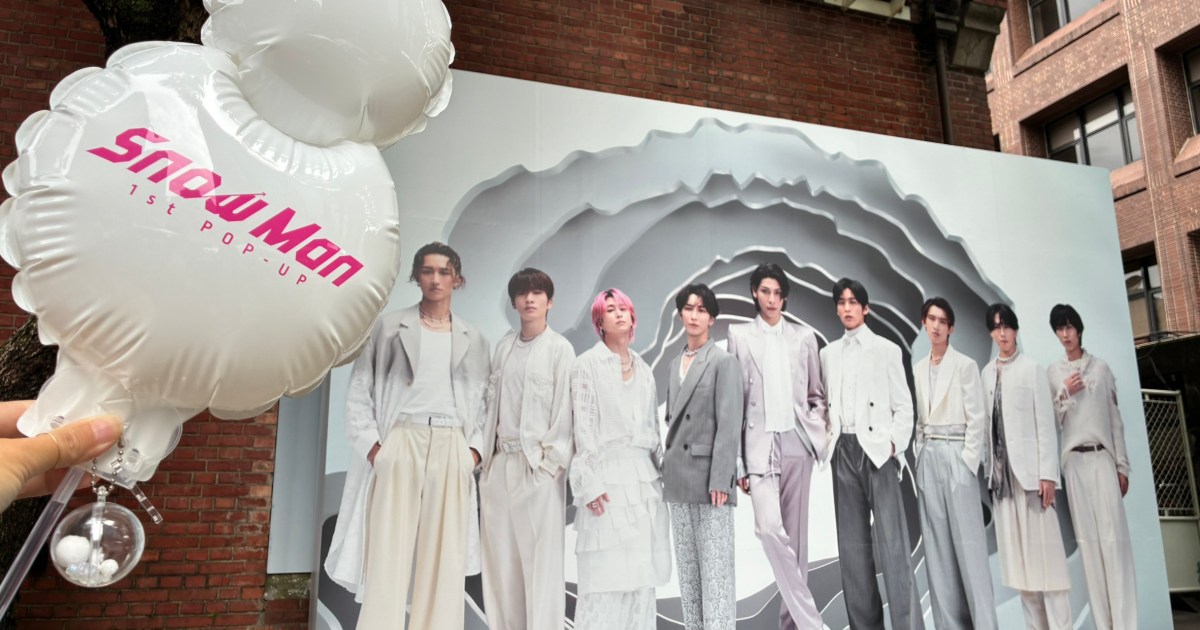
The divide doesn’t end with buzzwords. Kids are also spinning through playgrounds with the ナルトダンス (Naruto Dansu), a dance inspired by a Chinese cosplayer’s take on the anime NARUTO (Naruto), even if it barely connects to the original story. They’re also glued to YouTube duos like ちろぴの (ChiroPino), whose casual gaming streams dominate young fans’ screens. Compare that to adults vibing to idol groups like Snow Man or Mrs. GREEN APPLE, or older folks reminiscing about 嵐 (Arashi). This split in カルチャー (karuchaa), or "culture," shows how trends in Japan often fracture along generational lines, with platforms like TikTok and YouTube shaping kids’ worlds in ways adults can’t quite grasp. It’s a vivid reminder that 世代 (sedai), meaning "generation," plays a huge role in how language and fads evolve.
Cultural Context: Why Buzzwords Matter in Japan
To really get this divide, let’s zoom out and look at Japan’s love affair with trendy language. The annual 新語・流行語大賞 (Shingo/Ryūkōgo Taishō), or "New Word and Buzzword of the Year Award," isn’t just a gimmick—it’s a cultural mirror reflecting what stirred society over the past year. For adults, buzzwords like 流行語 (ryuukougo), meaning "trendy word," often tie to politics or work, echoing Japan’s focus on collective duty. For kids, though, trends are fueled by internet memes and peer influence, reflecting a global shift toward viral, often nonsensical content. This isn’t unique to Japan—every era has its generational gaps—but the rapid spread of tech among young Japanese amplifies it. For you as a learner, exploring these trends isn’t just about words; it’s about seeing how language lives and breathes through culture, age, and play.
Learn Japanese from This Article
Ready to pick up some authentic Japanese from these 2025 trends? Let’s break down key vocabulary, grammar, and expressions that’ll help you sound more like a native speaker. These aren’t just textbook words—they’re pulled straight from real Japanese life, the way kids and adults use them every day.
Key Vocabulary
| Japanese | Romaji | Meaning |
|---|---|---|
| 流行語 | ryuukougo | buzzword, trendy word |
| 働く | hataraku | to work |
| 世代 | sedai | generation |
| カルチャー | karuchaa | culture |
| スラング | surangu | slang |
| 中毒性 | chuudokusei | addictiveness |
| 調査 | chousa | survey, investigation |
Grammar Spotlight
Let’s focus on two grammar patterns that pop up in these buzzwords and everyday Japanese conversations. These will help you express actions and impressions like a native.
1. 〜てくる / 〜てまいります: "to do something and come" (humble/polite form) This structure often implies doing something with intention or progression, often toward a goal. The polite form 〜てまいります (te mairimasu) is used in formal settings, as seen in Prime Minister Takaichi’s speech.
- Structure: Verb (te-form) + くる / まいります
- Example 1: 働いてまいります。 (Hataraite mairimasu.) - "I will work (and come forward with effort)."
- Example 2: 勉強してきます。 (Benkyou shite kimasu.) - "I’ll study and come (back with results)."
- When to use: Use まいります in formal or respectful contexts, like speeches or customer service. Use くる in casual settings to show progression or intent.
2. 〜らしい: "seems like, I heard that" This suffix adds a sense of hearsay or impression, perfect for discussing trends or rumors like kids’ memes.
- Structure: Noun/Verb (plain form) + らしい
- Example 1: 新しい流行語らしいです。 (Atarashii ryuukougo rashii desu.) - "I heard it’s a new buzzword."
- Example 2: 面白いらしいよ。 (Omoshiroi rashii yo.) - "It seems interesting, I heard."
- When to use: Great for casual conversations when sharing news or opinions you’ve heard, without claiming direct knowledge.
Useful Expression
Here’s a phrase tied to the adult buzzword that you’ll hear in workplaces or formal settings:
- 働いてまいります。 (Hataraite mairimasu.) - "I will work (with dedication)." This humble expression shows commitment and respect, often used by professionals or public figures to express their resolve. Try it in formal self-introductions or when discussing goals with superiors.
Closing Thoughts
Whether you’re chuckling at the absurdity of イタリアンブレインロット (Itarian Burein Rotto) or feeling the weight of 働いて働いて (hataraite hataraite), these 2025 buzzwords remind us how language captures the pulse of a society—split by age, shaped by culture, and always evolving. As you learn Japanese the authentic way, the way it’s lived in Japan, keep an ear out for these trendy words and generational quirks. They’re not just vocabulary—they’re your ticket to understanding the heart of modern Japan.
これからもよろしくお願いします。 Kore kara mo yoroshiku onegaishimasu.