
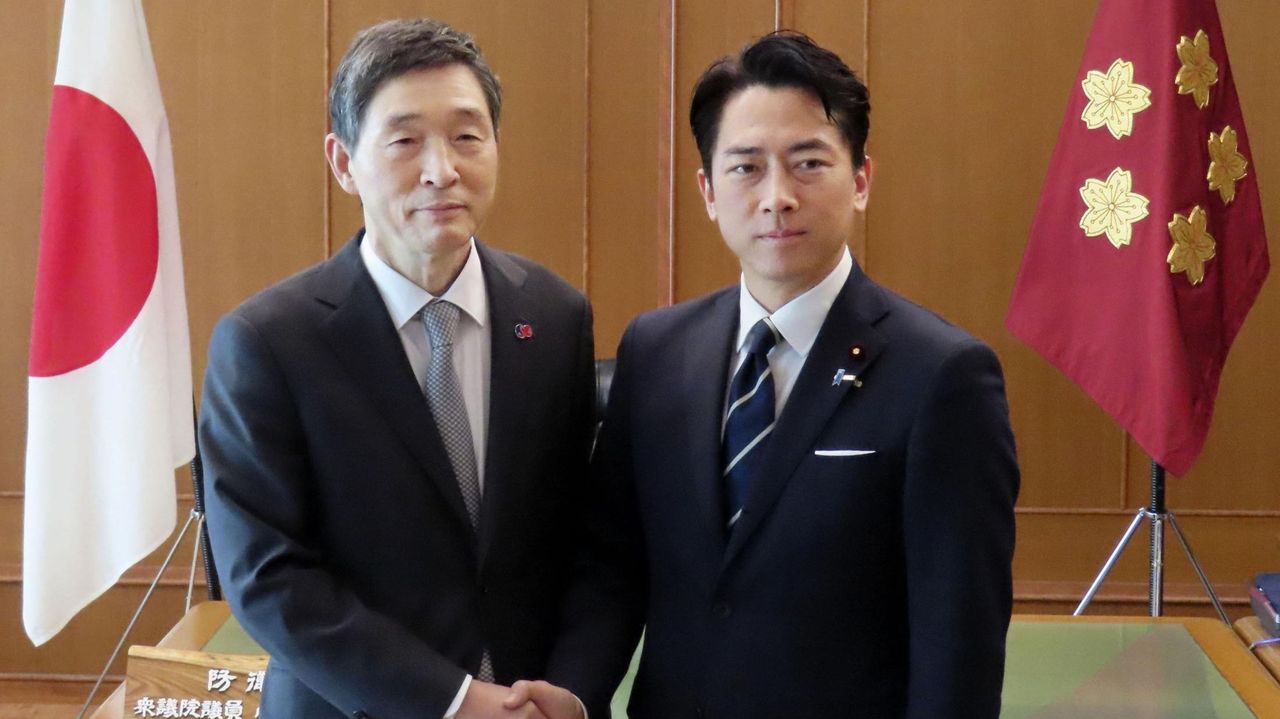
Japan and South Korea Take a Step Toward Military Reconciliation
Have you ever wondered how history shapes the way countries interact today, even in something as structured as military cooperation? On December 20, 2001, a small but meaningful development unfolded between Japan and South Korea, two nations with a complicated past. Government sources announced plans for a joint exchange program between the 陸上自衛隊 (Rikujō Jieitai - Japan Ground Self-Defense Force) and the South Korean Army, set to begin in January of the following year. This might sound like a minor update, but it’s a step that could help mend strained ties. Let’s dive into what this means, why it matters, and how you can learn some authentic Japanese from this real-world news.
A Glimmer of Cooperation
The exchange program will focus on officer candidates, giving young military leaders from both countries a chance to meet, interact, and build mutual understanding. This comes at a time when defense 協力 (kyōryoku - cooperation, collaboration) between Japan and South Korea has been in a state of 停滞 (teitai - stagnation, standstill), especially after Japan canceled refueling support for South Korean Air Force planes at a base of the 航空自衛隊 (Kōkū Jieitai - Japan Air Self-Defense Force) in October. Defense authorities on both sides hope this 交流 (kōryū - exchange, interaction) will ease tensions and open the door to resuming joint training and other collaborative efforts. In fact, it became clear that both nations are eager to see a 収束 (shūsoku - convergence, resolution) to these challenges, as sources confirmed the initiative with the phrase ことが分かった (koto ga wakatta - it was found that).
Cultural Context: Navigating a Shared History
To fully grasp why a simple exchange program is significant, you need to understand the historical backdrop. Japan-South Korea relations have often been tense due to events dating back to Japan’s colonial rule over Korea from 1910 to 1945. Issues of 防衛 (bōei - defense, protection) and military cooperation aren’t just logistical—they’re deeply tied to public sentiment and historical grievances. The term 防衛交流 (bōei kōryū - defense exchange) isn’t merely about soldiers meeting; it’s a diplomatic gesture, a way to rebuild trust starting with the next generation of leaders. When you learn Japanese, you’ll notice how language often reflects these cultural nuances, giving you a window into the “why” behind the news.
Learn Japanese from This Article
If you’re studying Japanese the authentic way—how it’s taught in Japan—you’ll find real-world news like this a goldmine for practical language. Let’s break down some key vocabulary and grammar from this story that you can start using today.
Key Vocabulary
| Japanese | Romaji | Meaning |
|---|---|---|
| 陸上自衛隊 | Rikujō Jieitai | Japan Ground Self-Defense Force |
| 航空自衛隊 | Kōkū Jieitai | Japan Air Self-Defense Force |
| 防衛 | bōei | defense, protection |
| 交流 | kōryū | exchange, interaction |
| 協力 | kyōryoku | cooperation, collaboration |
| 停滞 | teitai | stagnation, standstill |
| 収束 | shūsoku | convergence, resolution |
These words aren’t just for military contexts—they pop up in everyday discussions about teamwork, challenges, and solutions. Try using 協力 (kyōryoku) when talking about working together with friends or colleagues!
Grammar Spotlight
Let’s focus on two useful patterns from this news piece that will level up your Japanese.
1. 〜ことが分かった (koto ga wakatta) - It was found that, It became clear that
This structure is often used in formal or news contexts to report discoveries or confirmed information.
- Pattern: [Verb (plain form)] + ことが分かった
- Examples:
- 計画が始まることが分かった。(Keikaku ga hajimaru koto ga wakatta.
- It was found that the plan will start.)
- 彼が来ることが分かった。(Kare ga kuru koto ga wakatta.
- It became clear that he will come.)
- 計画が始まることが分かった。(Keikaku ga hajimaru koto ga wakatta.
- Usage: This is a great way to sound objective or report something you’ve learned, especially in writing or formal speech.
2. 〜たい考えだ (tai kangae da) - Intention or desire to do something (formal tone)
This pattern expresses a formal intention or plan, often used by organizations or in news reports.
- Pattern: [Verb (stem form)] + たい考えだ
- Examples:
- 関係を改善したい考えだ。(Kankei o kaizen shitai kangae da.
- There is an intention to improve the relationship.)
- 協力したい考えだ。(Kyōryoku shitai kangae da.
- There is a desire to cooperate.)
- 関係を改善したい考えだ。(Kankei o kaizen shitai kangae da.
- Usage: This is more formal than just saying 〜たい (tai), so it’s perfect for discussing plans or goals in a professional setting.
Useful Expressions
Beyond grammar, try this phrase to sound natural when discussing hopes for improvement:
- 関係を修復する (kankei o shūfuku suru
- to repair a relationship). You might hear this in discussions about personal ties or international relations, as in: 関係を修復したい考えだ。(Kankei o shūfuku shitai kangae da.
- There is an intention to repair the relationship.)
- to repair a relationship). You might hear this in discussions about personal ties or international relations, as in: 関係を修復したい考えだ。(Kankei o shūfuku shitai kangae da.
Closing Thoughts
Learning Japanese isn’t just about memorizing words or rules—it’s about understanding the culture and context behind the language, just like how this small military exchange reflects deeper historical ties. Keep exploring real-world stories like this, and you’ll find your Japanese growing more natural every day.
これからもよろしくお願いします。 Kore kara mo yoroshiku onegaishimasu.