
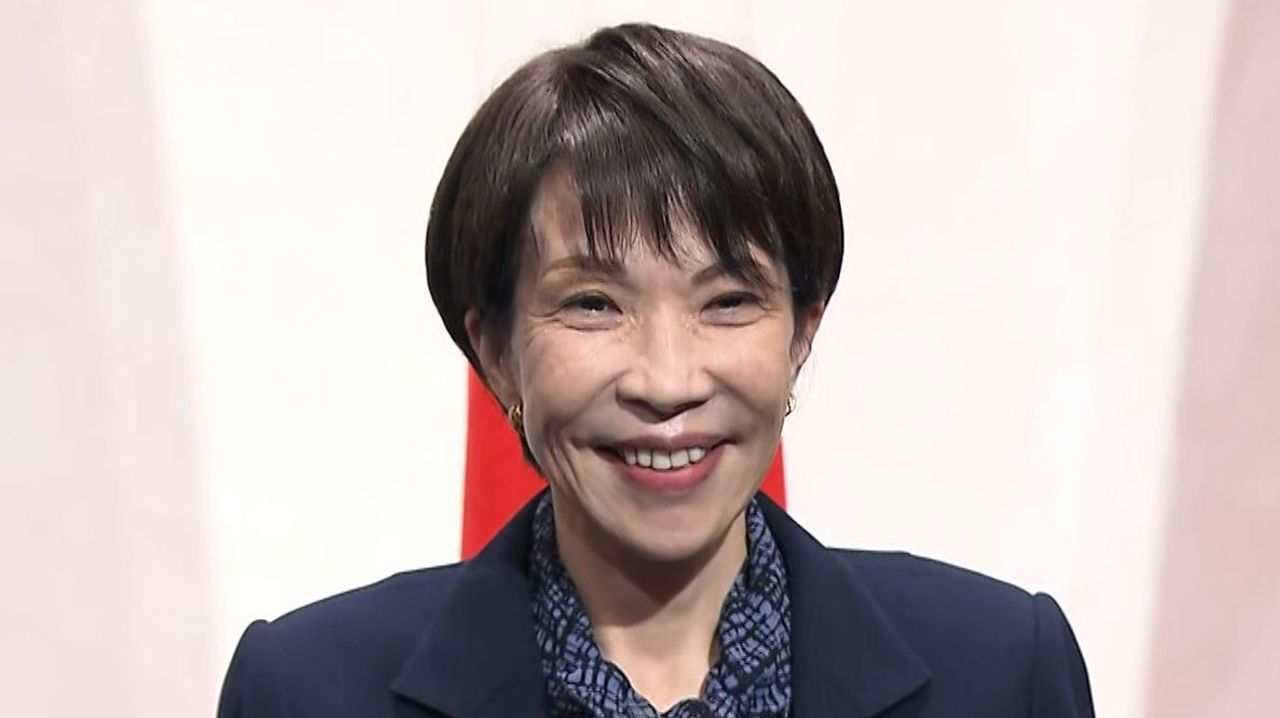
Japan’s Historic Summit with Central Asia: A Diplomatic Milestone
Have you ever wondered how Japan positions itself on the global stage, beyond its well-known alliances with countries like the United States? On December 20, 2001, a historic event unfolded in Tokyo that offers a fascinating glimpse into Japan’s diplomatic strategy. Prime Minister 高市 (Takaichi) hosted the first-ever summit with leaders from five Central Asian countries, marking a bold step to build ties in a region often overshadowed by giants like China and Russia. For learners of Japanese, this news isn’t just about politics—it’s a chance to explore the language and cultural nuances behind Japan’s international outreach. Let’s dive into the story and uncover some authentic Japanese along the way!
A Groundbreaking Meeting in Tokyo
Picture this: leaders from Kazakhstan, Uzbekistan, Turkmenistan, Kyrgyzstan, and Tajikistan gathering in Tokyo for a 首脳会合 (shunou kaigou, summit meeting) with Japan’s 首相 (shushou, prime minister), 高市 (Takaichi). This wasn’t just another diplomatic event; it was a strategic move to strengthen 結びつき (musubitsuki, connections or relationships) with 中央アジア (chuuou ajia, Central Asia), a region with deep ties to China and Russia. Japan’s goal? To diversify its partnerships and engage with countries that don’t often make headlines in Japanese news.
While the exact details of the discussions weren’t widely reported, the act of hosting such a summit speaks volumes about Japan’s approach to 外交 (gaikou, diplomacy or foreign affairs). For you as a learner, this is a perfect opportunity to see how formal Japanese is used in high-stakes settings like international meetings, where every word and gesture carries weight.
Cultural Context: Harmony in Diplomacy
To truly understand the significance of this summit, let’s look at a core Japanese value: 和 (wa, harmony). In Japan, this concept isn’t just a cultural ideal—it’s a guiding principle in everything from personal interactions to international relations. Hosting a summit like this in Tokyo reflects Japan’s desire to create balanced dialogue and mutual benefit, rather than asserting dominance. Unlike how some larger powers might approach geopolitics, Japan often opts for understated actions and language, a nuance you’ll notice in media reports about events like this.
Central Asia’s position between China and Russia adds another layer of complexity. Japan’s decision to engage directly with these nations shows a careful balancing act, navigating relationships with neighboring giants while seeking new allies. In Japanese news, such moves are often framed with a neutral tone, leaving much for readers to interpret. This subtlety is part of what makes learning Japanese so rewarding—there’s always more beneath the surface!
Learn Japanese from This Article
Ready to pick up some authentic Japanese from this historic event? Below, you’ll find key vocabulary, grammar patterns, and expressions that tie directly to the topic of diplomacy and international relations. These are words and structures you’d encounter in Japanese news or formal conversations, taught the way native speakers learn them.
Key Vocabulary
| Japanese | Romaji | Meaning |
|---|---|---|
| 首相 | shushou | prime minister |
| 首脳会合 | shunou kaigou | summit meeting |
| 結びつき | musubitsuki | connection, relationship |
| 中央アジア | chuuou ajia | Central Asia |
| 外交 | gaikou | diplomacy, foreign affairs |
| 和 | wa | harmony |
Grammar Spotlight: 〜との and 〜を開く
Let’s break down two useful grammar patterns that often appear in formal or news contexts like this summit.
〜との (with a person, group, or entity) This structure is used to indicate “with” when referring to a counterpart in a relationship, meeting, or discussion. It’s more formal than just saying “with” in casual speech.
- Structure: [Person/Group] + との + [Noun/Verb]
- Examples:
- 中央アジアとの結びつきを強める。 (Chuuou Ajia to no musubitsuki o tsuyomeru.) “Strengthen ties with Central Asia.”
- 首相との会談が重要だ。 (Shushou to no kaidan ga juuyou da.) “The meeting with the prime minister is important.”
- When to use: Perfect for formal contexts like diplomacy or business, where you’re specifying a relationship or interaction with someone specific.
〜を開く (to hold or open a meeting/event) This expression is commonly used for hosting or starting events like meetings, conferences, or summits.
- Structure: [Event/Meeting] + を開く
- Examples:
- 首脳会合を開く。 (Shunou kaigou o hiraku.) “Hold a summit meeting.”
- 会議を開く予定です。 (Kaigi o hiraku yotei desu.) “We plan to hold a meeting.”
- When to use: Use this in formal or professional settings to describe the act of organizing or starting an event.
Useful Expression
Here’s a bonus phrase you might hear in diplomatic contexts or formal greetings during events like summits:
- ようこそ日本へ。 (Youkoso Nihon e.) “Welcome to Japan.” This is a polite way to greet international guests, reflecting the hospitality and respect embedded in Japanese culture.
Closing Thoughts
Exploring Japan’s first summit with Central Asian countries isn’t just a lesson in geopolitics—it’s a window into the language and values that shape how Japan interacts with the world. From the concept of 和 (wa, harmony) to the formal expressions used in diplomacy, you’ve gained practical tools to understand and discuss similar topics in Japanese. Keep practicing these words and patterns, and you’ll find yourself sounding more like a native speaker with every step.
これからもよろしくお願いします。 Kore kara mo yoroshiku onegaishimasu.